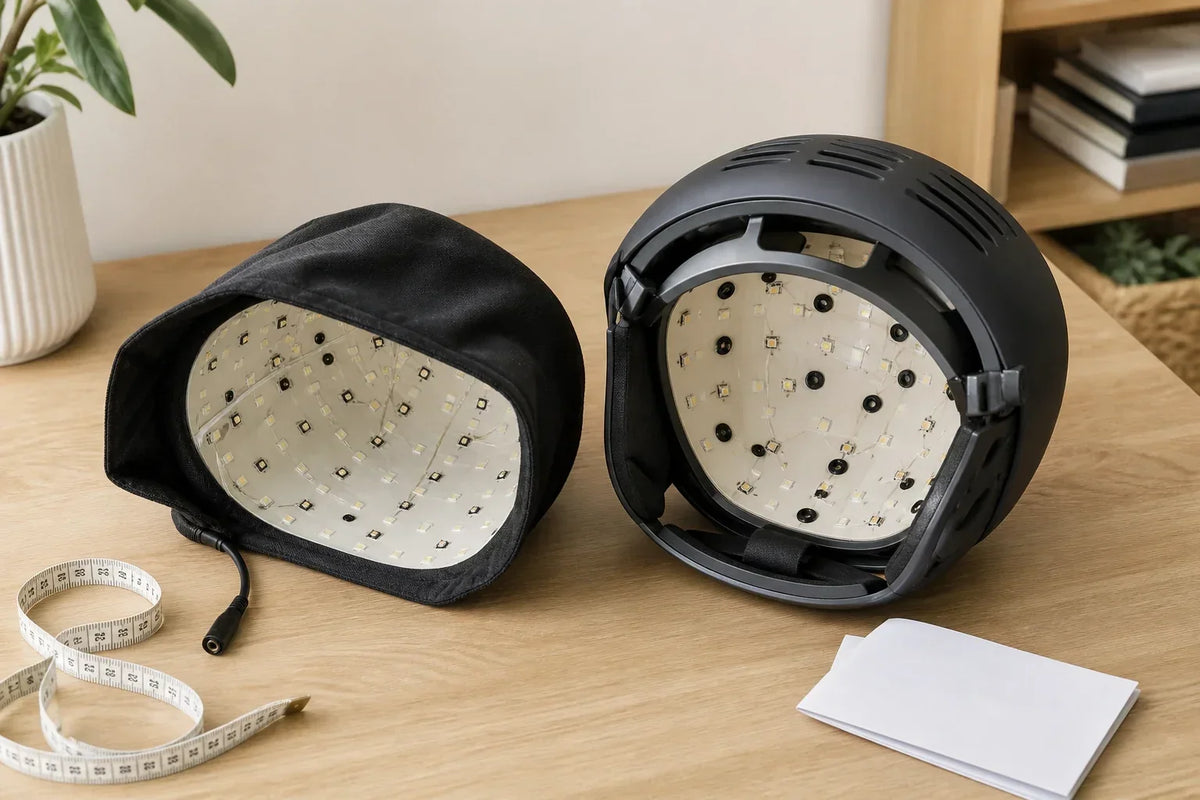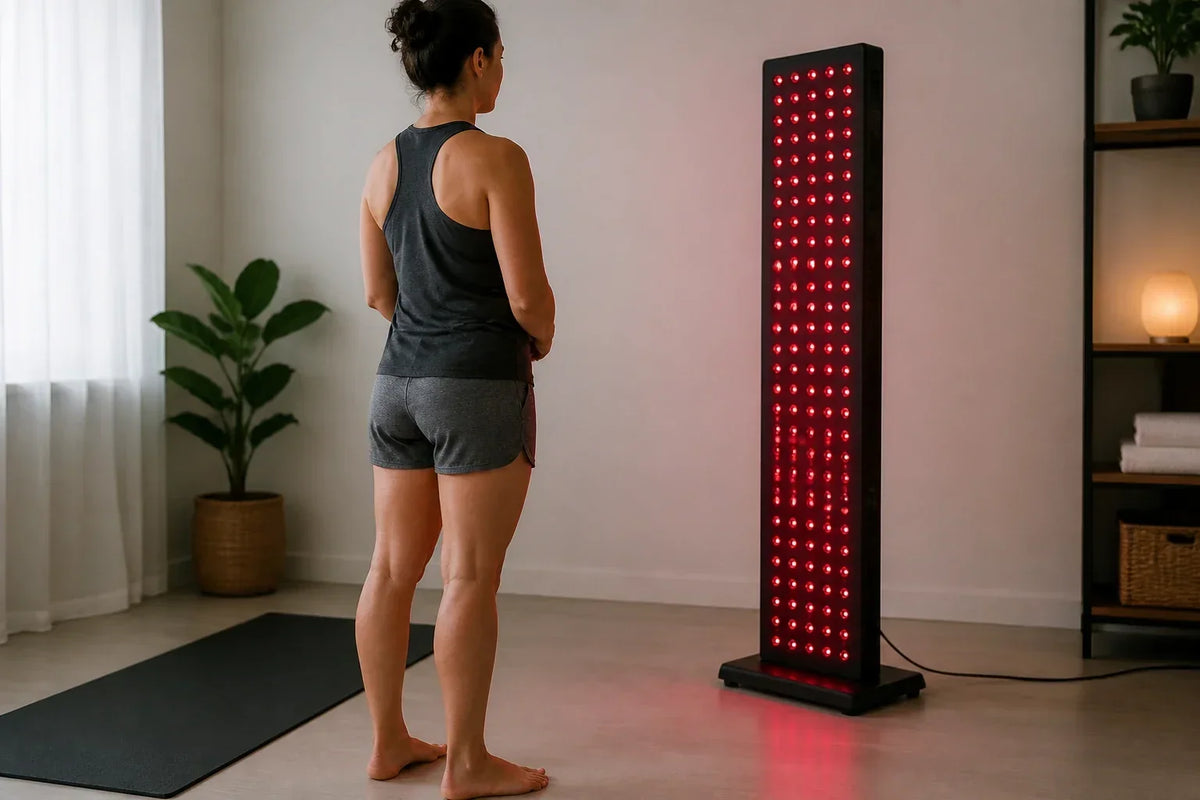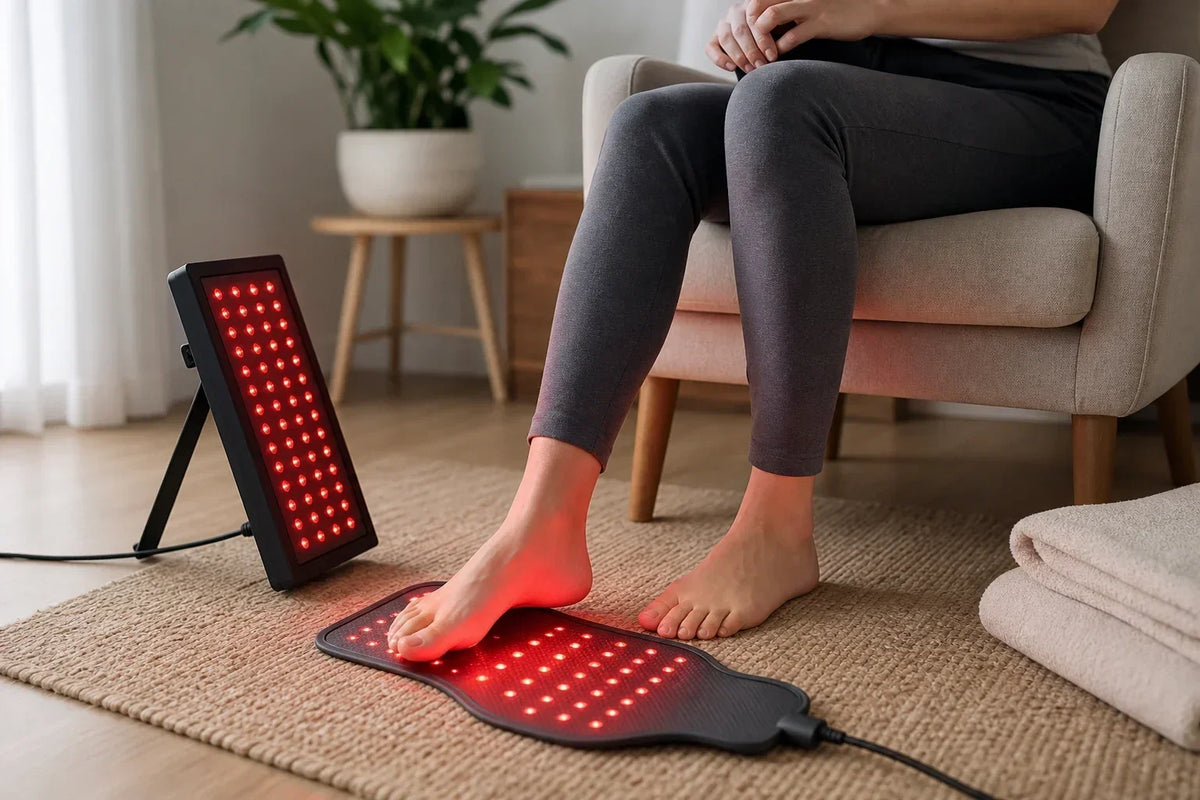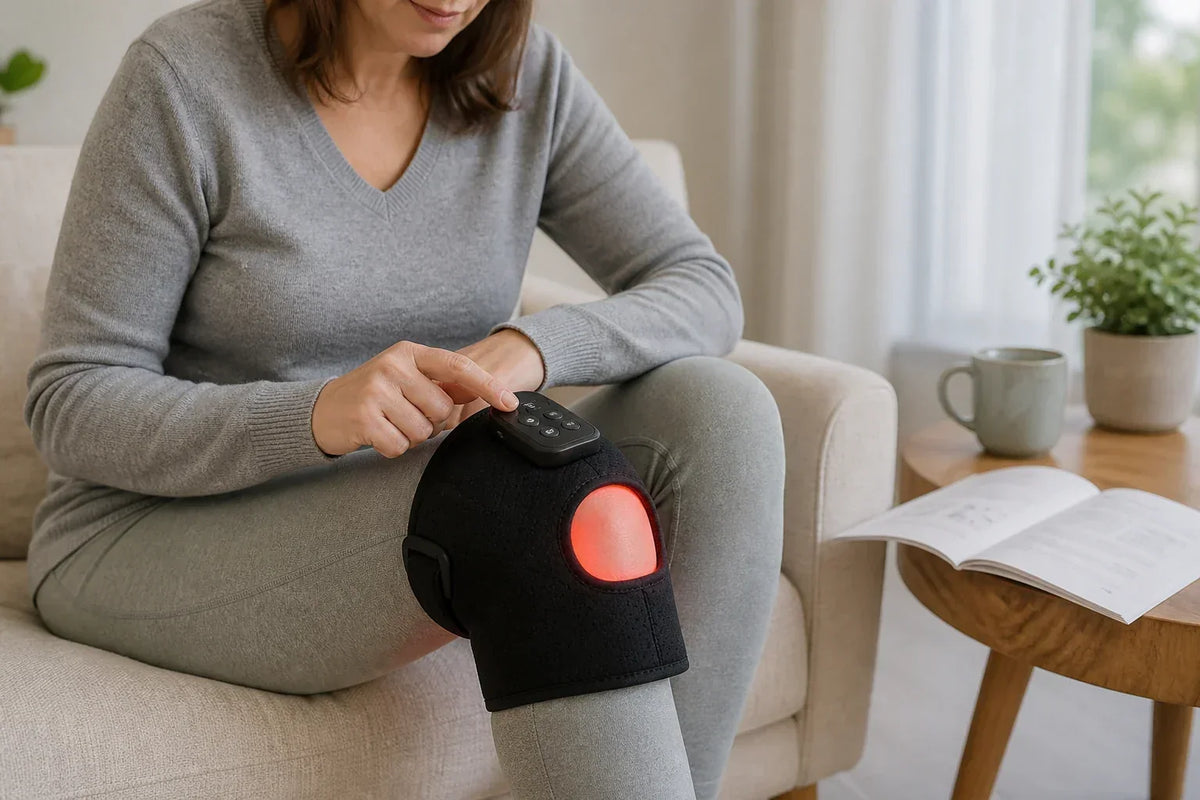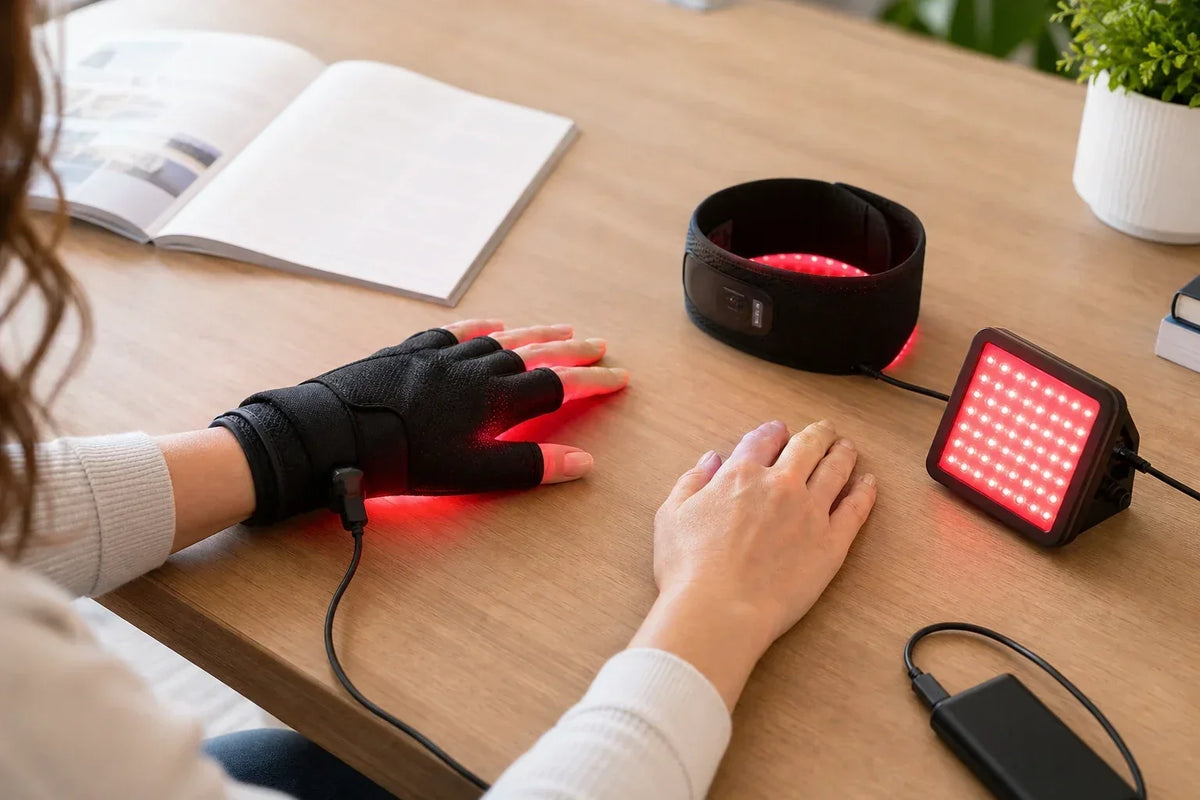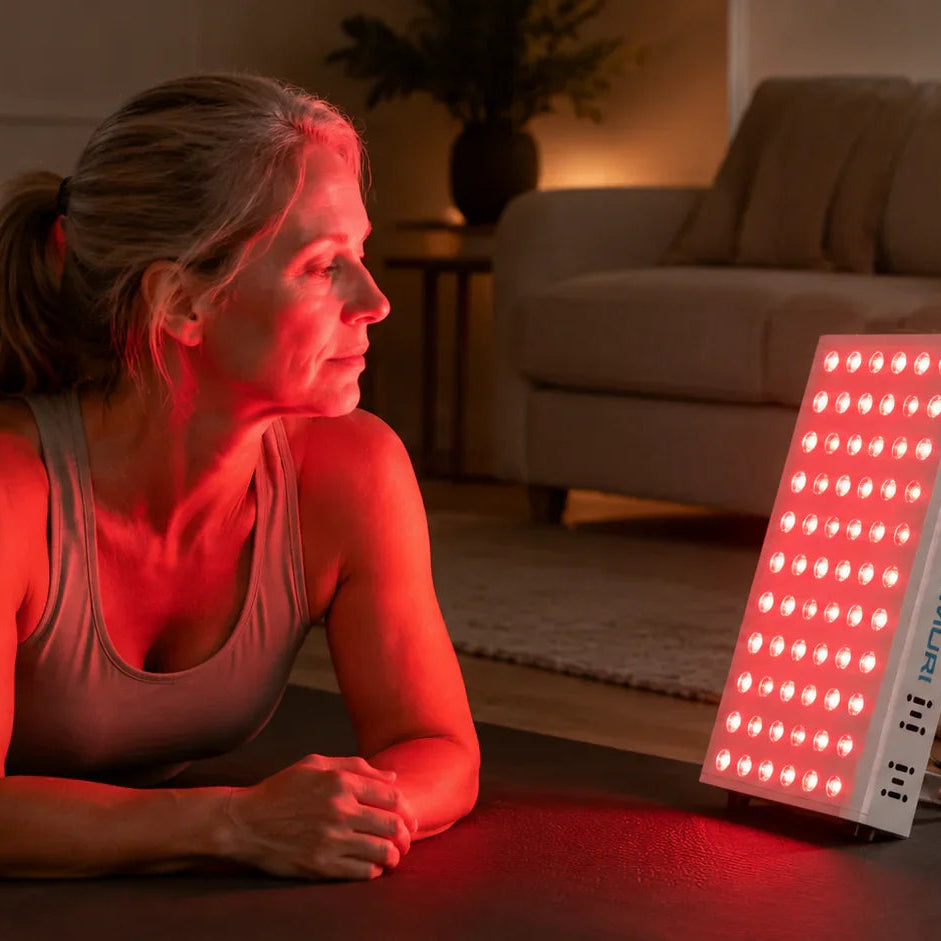
If you're searching for an LED therapy light belt, you're likely looking for a portable, hands-free way to experience red and near-infrared light benefits for your body. These flexible devices wrap around your waist, back, shoulders, or limbs to deliver targeted light therapy sessions at home, work, or on the go. In this guide, we’ll cover everything you need to know about using your LED therapy light belt effectively, safely, and how to pick a matching model for your daily wellness routine.

Quick Q&A: What Most People Want to Know First
| Question | Short Answer | My Practical Note |
|---|---|---|
| What exactly is an LED therapy light belt? | A flexible wearable wrap built with 660nm red and 850nm near-infrared LEDs for targeted body photobiomodulation. | I prefer these over rigid panels for curved areas like the lower back and hips. |
| How long should each LED therapy light belt session last? | 10 to 20 minutes per treatment area; do not exceed 30 minutes in one sitting. | Longer sessions do not create extra wellness support, so stick to the mid-range window. |
| How many times weekly can I use my LED therapy light belt? | 3–5 sessions weekly for standard maintenance; daily use is okay for short two-week intensive cycles. | Consistency beats cramming multiple long sessions on one day. |
| Can I wrap the LED therapy light belt over clothing? | Not recommended; fabric blocks light penetration and lowers effective performance. | Clean, dry bare skin delivers the most reliable light exposure results. |
| Do I need eye protection with an LED therapy light belt? | Yes, if wrapping near your neck, collarbone or upper chest where LEDs face your eyes. | Even indirect LED glow can trigger eye strain with repeated unprotected exposure. |
| What key wavelengths should a quality LED therapy light belt have? | Dual 660nm red light and 850nm near-infrared light are the standard balanced pairing. | Single-wavelength budget belts miss out on layered tissue light coverage. |
| Are LED therapy light belts suitable for all adults? | Most healthy adults can use them, but some groups need medical clearance first. | Anyone with light-sensitive medication or skin conditions should check a provider first. |
How LED Therapy Light Belts Function: Core Technology Breakdown
An LED therapy light belt, also widely called a red light therapy wrap or infrared body belt, is a soft, strap-equipped wearable device lined with small LED bulbs that emit fixed, non-ionizing light wavelengths.
Unlike large stationary red light panels, the fabric construction bends to match your body’s natural curves, making it easier to target localized areas that flat panels struggle to cover evenly. The two primary wavelengths featured in most premium LED therapy light belts serve different tissue layers:
- 660nm visible red light: Works on surface-level skin and shallow soft tissue, ideal for surface wellness support.
- 850nm invisible near-infrared light: Travels deeper below the skin surface to reach underlying muscle and connective tissue.
Many low-cost LED therapy light belts only carry one wavelength, which limits their overall versatility for full-body use. If you plan to treat multiple body zones, dual-wavelength designs deliver more balanced light exposure across tissue depths.
Step-by-Step Routine to Use an LED Therapy Light Belt Correctly
| Routine Step | Detailed Action | Quick User Tip |
|---|---|---|
| 1. Prep your skin | Wash and fully dry the target area; remove all lotion, oil, makeup, or sunscreen. | Oily residues create a barrier that blocks LED light from reaching skin cells. |
| 2. Clear obstructions | Take off rings, belts, necklaces or any metal accessories on the treatment zone. | Metal reflects light and creates uneven exposure across your skin. |
| 3. Secure the LED therapy light belt | Wrap the LED side flat against your skin, fasten elastic straps tight enough to stay in place without pinching. | Adjust extension straps if your model includes them for larger waist or torso sizes. |
| 4. Activate power and timer | Connect battery or wall power, set the built-in timer for 10–20 minutes. | Always rely on auto shutoff timers to avoid accidental overexposure. |
| 5. Complete the session | Stay relaxed during treatment; avoid staring directly at LED bulbs at any time. | You can sit, stand or gently stretch as long as the belt stays flat against skin. |
| 6. Post-session care | Power off the unit, wipe the LED fabric with a dry soft cloth, store in a cool dry spot. | Drink extra water after each session to support regular cellular function. |
Recommended Session Timing & Frequency Table for LED Therapy Light Belts
| Wellness Focus | Single Session Length | Weekly Usage Frequency | Suggested Usage Cycle |
|---|---|---|---|
| Daily general body maintenance | 10–12 minutes | 3 times per week | Ongoing long-term routine |
| Post-movement muscle support | 15–20 minutes | 4–5 times per week | 4–6 week focused cycles |
| Short-term intensive targeted support | 20 minutes | 5–7 times per week | Maximum 2 weeks, then drop frequency |
| Low-lift long-term maintenance | 10 minutes | 2 times per week | Indefinite casual use |
Safety Checklist for LED Therapy Light Belt Home Use
| Safety Category | Approved Practices | Practices to Avoid | Authoritative Guidance Reference |
|---|---|---|---|
| Eye safety | Use protective light goggles when LEDs face your face; angle belt away from eyes when wrapping upper body. | Staring directly at LED bulbs; wrapping belt high around neck without eye coverage. | American Academy of Ophthalmology |
| Skin contact safety | Test belt on a small patch of skin for the first session; only use on intact, unburned skin. | Use on broken, irritated, sunburned or chemically sensitized skin. | FDA Light Therapy Device Standards |
| Medical contraindications | Consult a healthcare provider before use if pregnant, nursing, or taking photosensitive medication. | Regular use without provider clearance if you have chronic skin or autoimmune conditions. | Mayo Clinic |
| Device operational safety | Unplug when cleaning; wipe fabric with dry cloth only; store away from heat and direct sunlight. | Submerge the LED therapy light belt in water; leave powered on unattended for hours. | IEC 60601 medical electrical equipment safety standards |
| Session exposure limits | Cap single area sessions at 20 minutes; rotate body zones if multiple areas need treatment. | Stack multiple 30-minute sessions on the same body zone in one day. | PubMed PBM Research |
LED Therapy Light Belt Buying Checklist: Key Features to Compare
| Feature Category | Ideal Specs to Look For | Why This Feature Matters |
|---|---|---|
| Wavelength configuration | Dual 660nm red + 850nm near-infrared LED layout | Covers shallow and deep tissue layers for full targeted body coverage |
| LED quantity & density | 100+ evenly spaced LEDs across the belt surface | Prevents uneven light hotspots and delivers consistent exposure |
| Power supply options | Rechargeable large capacity battery OR steady plug-in power cord | Battery models offer portability; plug-in units avoid mid-session power loss |
| Adjustable sizing | Elastic base straps + separate extension strap for larger body frames | Enables secure wrapping around waist, thighs, back and shoulders for all body sizes |
| Built-in controls | 10/20/30 minute auto shutoff timer + simple power buttons | Eliminates guesswork and removes risk of accidental overexposure |
| Safety certifications | FCC, CE, IEC 60601 electrical safety marking | Confirms the device meets US and global home electrical safety benchmarks |
Most Common LED Therapy Light Belt User Mistakes & Fixes
| Frequent User Mistake | Potential Downside | Simple Correct Method |
|---|---|---|
| Running overly long single sessions over 25 minutes | No extra benefits, minor temporary skin sensitivity possible | Stick to 10–20 minute sessions; split larger body areas into separate daily treatments |
| Skipping consistent weekly sessions for occasional long weekend use | Slow, inconsistent visible wellness support from regular use | Set fixed weekly time slots just like other daily self-care routines |
| Layering thin clothing between skin and the LED therapy light belt | Fabric diffuses light and drastically lowers effective exposure levels | Always apply the LED fabric surface directly against bare clean skin |
| Purchasing ultra-low-cost single-wavelength belts with low LED density | Uneven light distribution, limited tissue penetration range | Prioritize dual-wavelength mid-range models with verified LED layout density |
| Forgetting eye protection when wrapping the belt near upper chest or collarbones | Repeated unprotected LED glow creates mild eye fatigue over time | Store lightweight protective goggles beside your belt for every upper-body session |
My Practical View
From an editor’s point of view covering red light therapy home devices for years, LED therapy light belts fill a unique gap that rigid flat panels cannot match. Their flexible wrap design lets you multitask easily—typing at a desk, reading books, or folding laundry mid-session without needing to hold a heavy panel in place.
The pattern I notice in home user routines is most people rush to 20-minute daily sessions right out of the box, which often leads them to abandon the routine after a week from burnout. If I were helping a friend set up their first LED therapy light belt, I would start slow: 10 minutes three times weekly for the first full week to build a sustainable habit.
One detail many ranking articles online skip over is battery lifespan for wireless LED therapy light belts. Rechargeable internal batteries typically hold steady power for 12–18 months with regular use, so if portability is your top priority, plan for a battery replacement down the line instead of assuming unlimited wireless use forever.
I would not overthink minor differences in LED count between two similar mid-tier belts; consistent weekly use matters far more than chasing a slightly higher LED number for marginal gains. The part I would pay attention to is verified dual 660/850nm wavelengths—this single feature impacts overall versatility more than any other spec on the product page.
References
- PubMed: Photobiomodulation Clinical Application Review
- FDA Home Light Therapy Device Guidance
- Mayo Clinic Red Light Therapy Safety FAQ
- American Academy of Ophthalmology Light Eye Safety Standards
Frequently Asked Questions (FAQ)
Can I wrap one LED therapy light belt around multiple separate body areas in one day?
Yes, you can treat different zones on separate sessions within the same day, as long as each individual area stays under the 20-minute maximum limit. For example, use the belt on your waist in the morning and your thighs in the evening without safety concerns.
Which is better: wireless battery-powered LED therapy light belt or plug-in wired models?
The choice depends entirely on your lifestyle. Wireless battery belts work for travel, office use, and moving between rooms without cords. Plug-in wired units deliver stable constant light power with no battery drain risk during long sessions, ideal for stationary home use only.
How long will it take to notice consistent effects from regular LED therapy light belt use?
Individual results vary based on routine consistency, but most regular users notice subtle shifts in daily comfort levels after 3–4 weeks of following a steady weekly schedule. Sticking to a planned routine for a full six weeks gives the clearest sense of how the device works for your body.
Can I pair LED therapy light belt sessions with other self-care practices like stretching or meditation?
Many home users combine light belt sessions with gentle stretching, guided meditation, or slow breathing work with no conflicts. Avoid pairing it with other strong light-based skincare tools on the same skin area during the same day.
What is the average usable lifespan of a standard LED therapy light belt?
Quality LED bulbs hold 5,000–10,000 hours of active runtime, which translates to multiple years of standard home use. Rechargeable battery units will see reduced battery capacity after roughly 12–24 months of frequent sessions.
Who should skip using an LED therapy light belt without medical provider approval?
Anyone who is pregnant, breastfeeding, living with photosensitive skin disorders, taking light-reactive prescription drugs, or managing active cancer should speak with a healthcare provider before adding regular light belt sessions to their routine.