How much red light therapy is too much? Learn 10 vs 20 minute session limits, weekly frequency, overuse signs, safety tips, and when to stop.
Editorial Review: This article was created with reference to public red light therapy safety, LED light therapy, photobiomodulation dose-response, and consumer health product guidance resources, including Cleveland Clinic, American Academy of Dermatology, Harvard Health, NIH/PMC, FDA, and FTC. It is written for consumer education and at-home device use, not medical advice.
If you searched how much red light therapy is too much, the practical answer is this: for many at-home red light therapy devices, a normal session is often around 10 to 20 minutes per area, and using much longer sessions, standing too close, or doing back-to-back sessions is where “more” can become unhelpful. Red light therapy is usually discussed as low-risk when used short-term and as directed, but overuse is still a real mistake.

My personal take is simple: red light therapy is not like brushing your teeth where doing extra always feels harmless. Light has a dose. Too little may do almost nothing, but too much may make the routine less useful, less comfortable, and harder to stick with.
The safest starting point is not “as long as possible.” It is the device manual, a timer, the correct distance, and a conservative routine you can repeat without irritation, eye strain, or discomfort.
Quick Q&A: What Most People Want to Know First
| Question | Short Answer | My Practical Note |
|---|---|---|
| How much red light therapy is too much? | Going far beyond the device’s session time, using it too close, or repeating sessions too often can be too much. | I would use 10–20 minutes as a common practical range, then follow your exact device manual. |
| Is 10 minutes enough? | For many panels and masks, 10 minutes can be enough, especially for beginners. | If this were my routine, I would start at 10 minutes before jumping to longer sessions. |
| Is 20 minutes too much? | Not always. 20 minutes may be reasonable for some devices, but it can be too much if you are too close or using a high-output panel. | 20 minutes should feel controlled, not hot, irritating, or uncomfortable. |
| Can I do red light therapy every day? | Some people use devices daily, but many at-home routines work well at 3–5 sessions per week. | I would build consistency first, not chase daily use immediately. |
| What happens if I overdo red light therapy? | You may notice temporary warmth, redness, dryness, sensitivity, eye strain, headache, or poor tolerance. | Stop, reduce session time, increase distance, and restart more conservatively. |
| Does more red light mean better results? | No. Photobiomodulation is often discussed with a biphasic dose response, meaning more is not always better. | This is the part most beginners miss. |
The Simple Rule: 10 vs 20 Minutes
For most home users, the “too much” line starts when a session becomes longer than the device was designed for. A common practical range is 10 to 20 minutes per area, but that range is not universal. A face mask, handheld wand, tabletop panel, full-body panel, and clinic device can all use different timing.
Cleveland Clinic notes that red light therapy appears safe when used short-term and as directed, and that it does not use UV light like the sun or tanning booths. You can review its overview here: Cleveland Clinic red light therapy overview.
Here’s the practical way I’d look at it: 10 minutes is a good beginner-friendly starting point for many home routines. 20 minutes may be reasonable for some setups, but only when the device manual supports it and the session still feels comfortable.
| Session Length | What It Usually Means | Best For | When It May Be Too Much |
|---|---|---|---|
| 3–5 minutes | Short starter session | Sensitive users, small masks, testing tolerance | Usually not too much, but may be too little for some devices |
| 10 minutes | Common practical session length | Beginners, face routines, targeted body areas | If the device is very close or unusually intense |
| 15 minutes | Moderate session length | Users with stable tolerance | If warmth, dryness, redness, or eye strain appears |
| 20 minutes | Upper practical range for many home users | Larger body areas, lower-output devices, manual-approved routines | If repeated too often or used too close |
| 30+ minutes | Often excessive for at-home use unless clearly directed | Only if the device protocol specifically allows it | Frequently where overuse mistakes begin |
Why More Red Light Is Not Always Better
Red light therapy is often discussed under the broader term photobiomodulation. In that field, researchers often talk about dose. Dose is not just session time. It also includes wavelength, irradiance, distance, exposure area, frequency, and the type of tissue being exposed.
A widely cited NIH/PMC review explains the biphasic dose response in low-level light therapy: lower levels may produce a more useful response, while higher levels may be less effective or create an opposite pattern. You can review the paper here: NIH/PMC biphasic dose response review.
That is the reason I would not chase longer sessions blindly. If a device says 10 minutes, doing 40 minutes does not mean you get four times the benefit. It may simply mean you used the device outside the intended routine.
What Counts as Too Much Red Light Therapy?
Too much red light therapy can happen in several ways. It is not only about minutes. A 10-minute session too close to a powerful panel may be more intense than a 20-minute session farther away from a lower-output device.
Harvard Health recommends avoiding use if you have a light-sensitive condition or are taking light-sensitive medications, and it also recommends wearing eye protection when device directions call for it. You can review its guidance here: Harvard Health red light therapy guidance.
| Too Much Looks Like | Why It Happens | Better Move |
|---|---|---|
| Longer sessions than the manual recommends | User assumes more time means stronger results | Return to the device’s recommended timer |
| Standing too close to the panel | User wants stronger exposure | Increase distance and follow the manual |
| Using multiple sessions back-to-back | User tries to “catch up” after missed days | Skip catch-up dosing and restart normally |
| Using a face device near the eyes without protection | User underestimates brightness or NIR exposure | Use shields or goggles when recommended |
| Continuing through discomfort | User thinks discomfort means it is working | Stop the session and reduce intensity next time |
Signs You May Be Overdoing It
At-home red light therapy should feel controlled. It may feel warm depending on the device, but it should not feel harsh, irritating, or exhausting. If your skin or eyes feel worse after sessions, the routine needs adjustment.
The American Academy of Dermatology advises following the device directions, using recommended eye protection, and being cautious if medications or other factors increase light sensitivity. You can review its guidance here: American Academy of Dermatology red light therapy guidance.
| Possible Overuse Sign | What It May Suggest | What I Would Do |
|---|---|---|
| Skin feels unusually warm | Session may be too long, too close, or too intense | Stop and restart later with shorter time |
| Temporary redness or sensitivity | Skin may not tolerate the current dose | Reduce frequency and avoid stacking sessions |
| Dryness or tight feeling | Routine may be too frequent for your skin | Use fewer sessions and keep skincare gentle |
| Eye strain or headache | Light may be too bright or too close to the face | Use proper eye protection and adjust angle |
| You feel worse after use | Your routine may not be a good fit | Pause and ask a qualified professional if unsure |
How Often Is Too Often?
Frequency matters just as much as session length. For many at-home routines, 3 to 5 sessions per week is a realistic starting pattern. Some devices are designed for daily use, but I would not start with the highest possible frequency unless the manual clearly says that is appropriate.
My practical view: if you are new, start with fewer sessions and build slowly. The goal is not to prove you can tolerate more. The goal is to create a routine that stays comfortable for weeks.
| Frequency | Who It Fits | Risk Level | My Practical Note |
|---|---|---|---|
| 1–2 times weekly | Very cautious beginners, sensitive users | Low | Good for testing tolerance, but may feel slow |
| 3 times weekly | Most beginners | Low to moderate | This is a sensible starting routine |
| 4–5 times weekly | Consistent users with good tolerance | Moderate | Works best when session time stays controlled |
| Daily | Device-specific routines only | Depends on device and user | I would only do this if the manual supports it |
| Multiple times daily | Usually not needed for home users | Higher overuse risk | This is where I would be careful |
Device Type Changes the “Too Much” Line
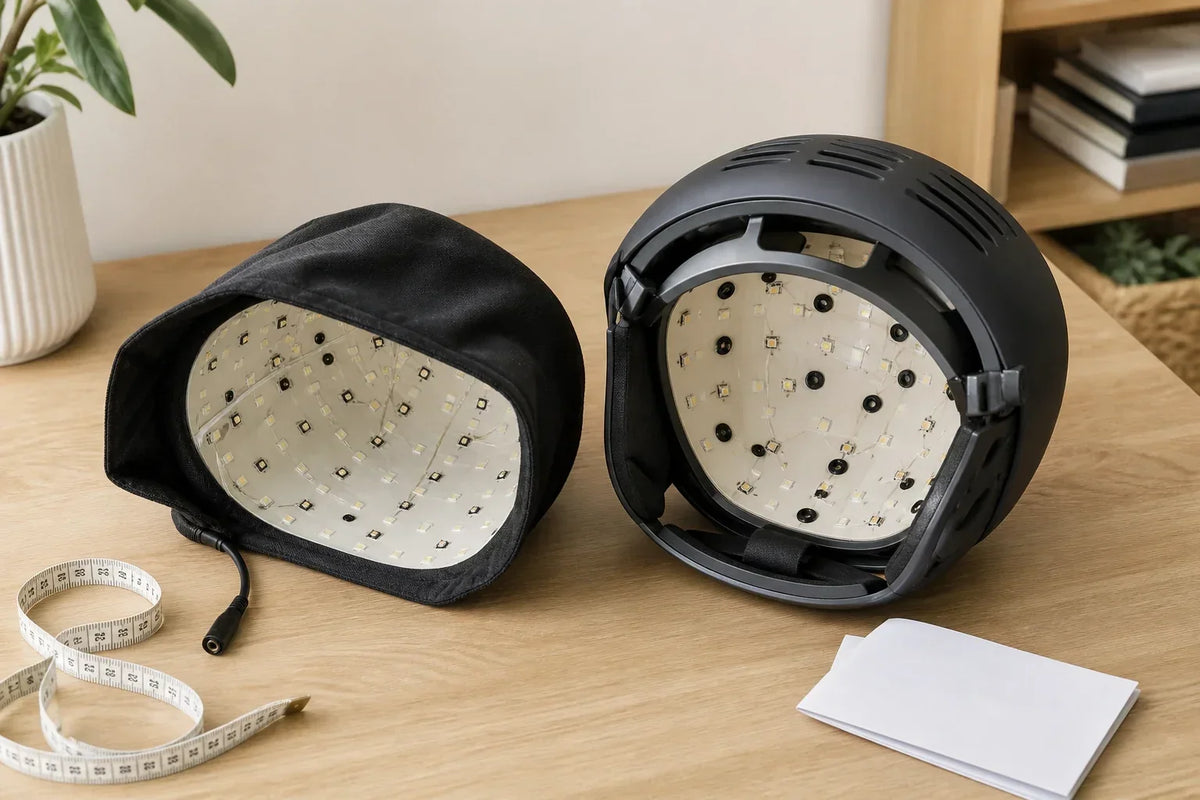
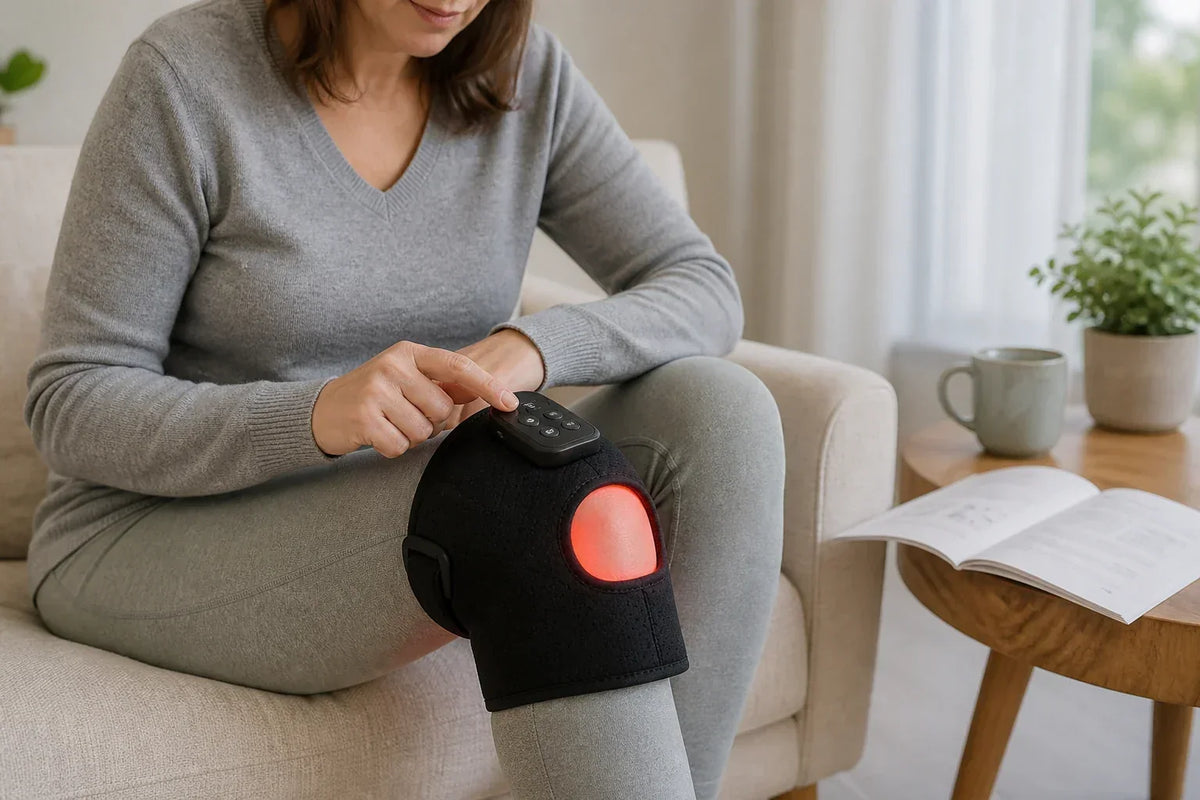
A small LED face mask, a handheld wand, and a full-body red light panel do not deliver light in the same way. That means “too much” changes by device type.
Cleveland Clinic’s LED light therapy overview emphasizes following directions and being aware of possible risks. You can review it here: Cleveland Clinic LED light therapy overview.
If I were setting up a home routine, I would not copy timing from a different device. A 10-minute face mask routine does not automatically equal a 10-minute full-body panel routine.
| Device Type | Common Timing Pattern | Where Users Overdo It |
|---|---|---|
| LED face mask | Often short, fixed sessions | Using extra cycles because it feels easy |
| Handheld wand | Short sessions per small area | Holding it too long on one spot |
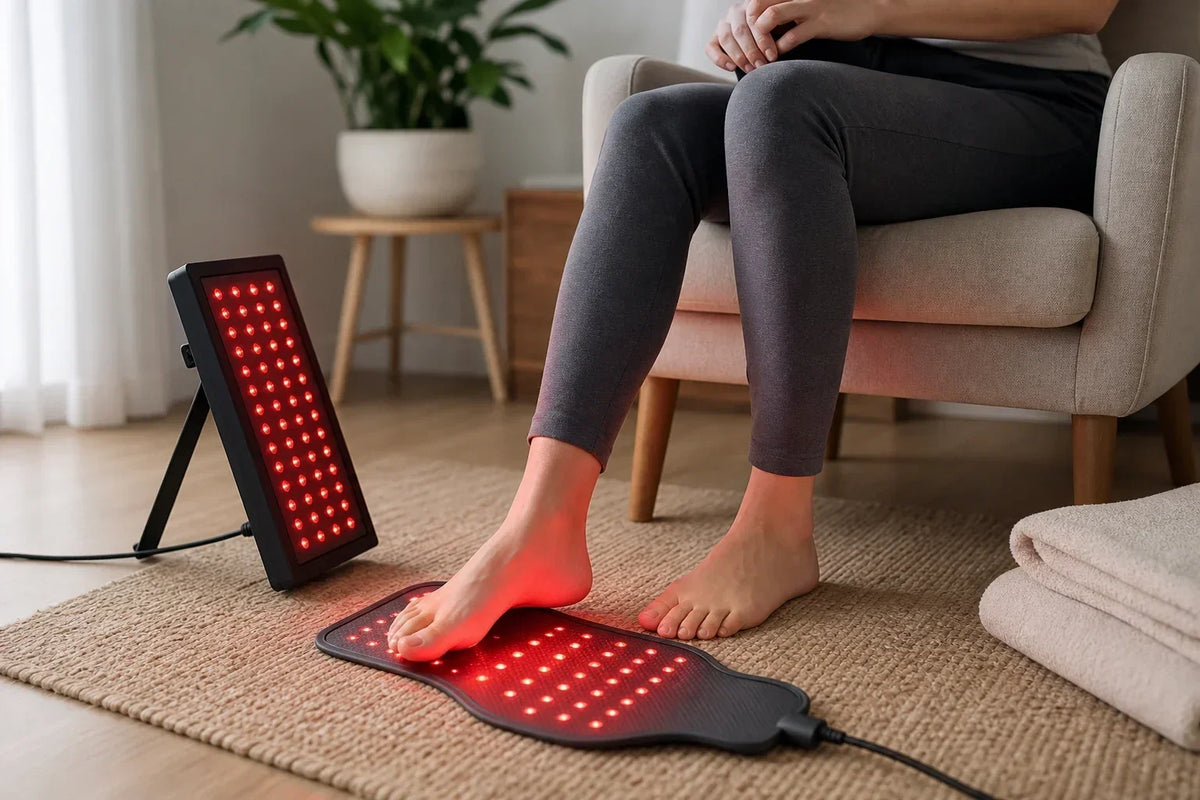
| Small tabletop panel | 10–15 minutes for targeted use | Moving too close to increase intensity |
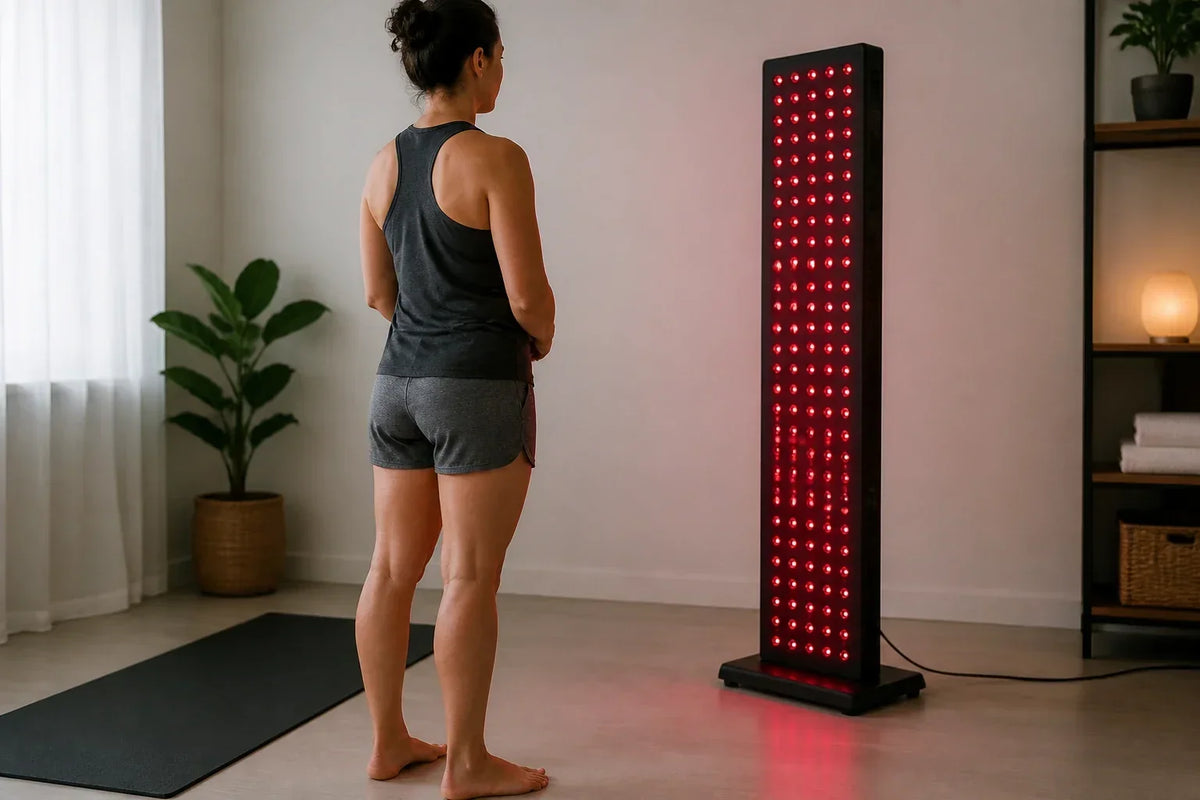
| Large body panel | 10–20 minutes depending on output and distance | Using long sessions across multiple body areas daily |
| Commercial booth | Preset sessions | Stacking multiple sessions too closely |
Distance: The Hidden Reason 10 Minutes Can Be Too Much
Distance is one of the most overlooked parts of red light therapy. Moving closer can increase exposure dramatically depending on the device design. That means a short session can become too intense if you stand too close.
This is where many home users get confused. They think only the timer matters. But if one person uses a panel at 6 inches and another uses it at 18 inches, they are not doing the same session.
The part I would pay attention to is the manual’s recommended distance. If the device says 12 to 18 inches, do not move to 3 inches just because you want faster results.
How to Build a Safer 4-Week Routine
A simple ramp-up routine is often better than jumping straight into daily 20-minute sessions. This is especially true for beginners, sensitive skin users, face routines, and anyone using near-infrared close to the body.
| Week | Session Time | Frequency | Goal |
|---|---|---|---|
| Week 1 | 5–10 minutes | 2–3 times | Test comfort and skin response |
| Week 2 | 10 minutes | 3 times | Build consistency without irritation |
| Week 3 | 10–15 minutes | 3–4 times | Increase only if tolerance is good |
| Week 4 | 10–20 minutes | 3–5 times | Settle into a sustainable routine |
I would not treat this table as a medical protocol. It is a conservative consumer routine framework. Your device instructions still come first.
Who Should Be Extra Careful?
Some users should be more cautious with red light therapy session time and frequency. This does not mean they can never use a device. It means they should not guess their way through the routine.
People with light-sensitive conditions, people using photosensitizing medications, users with eye concerns, very sensitive skin users, and anyone using strong panels near the face should be more careful. Harvard Health and the American Academy of Dermatology both discuss photosensitivity and eye protection as important safety considerations.
- Start with shorter sessions.
- Use eye protection when recommended.
- Avoid staring directly into LEDs.
- Do not use red light on irritated or unusually reactive skin.
- Ask a qualified professional if you have light sensitivity or medication concerns.
- Stop if a session feels uncomfortable.
Common Mistakes That Lead to Overuse
Most overuse problems come from impatience. People want faster results, so they increase time, reduce distance, add extra sessions, or use multiple devices in the same day.
The FTC’s health product compliance guidance reminds businesses that health-related claims should be truthful, not misleading, and supported by reliable evidence. You can review it here: FTC Health Products Compliance Guidance.
| Mistake | Why It Happens | Better Move |
|---|---|---|
| Doing 30–60 minute sessions | More feels more serious | Return to manual-approved timing |
| Using red light twice a day | User wants faster results | Use one controlled session and track tolerance |
| Standing too close | User wants stronger exposure | Follow recommended distance |
| Skipping goggles near the face | User thinks closed eyes are enough | Use provided shields when recommended |
| Mixing multiple devices | User stacks mask, wand, and panel | Keep the routine simple and measurable |
| Ignoring irritation | User thinks discomfort means progress | Pause and restart with a lower dose |
What I Would Actually Do
If I were setting up a red light therapy routine for myself, I would start with 10 minutes, 3 times per week, at the device’s recommended distance. I would do that for two weeks before changing anything.
Then I would ask a boring but useful question: did my skin and eyes tolerate it well? If yes, I might move to 4 or 5 sessions weekly, or increase some sessions toward 15–20 minutes if the device manual supports that. If not, I would reduce the routine, not push harder.
From an editor’s point of view, what often gets missed is that “too much” is personal and device-specific. A lower-output mask and a high-output body panel are not the same experience. A person with sensitive skin and a person with normal tolerance may need different routines.
My personal take is simple: a good red light therapy routine should feel almost boring. Clean setup, timer on, correct distance, eye protection when needed, then stop. The routine should not feel like a challenge to see how much light you can tolerate.
References
- Cleveland Clinic: Red Light Therapy Overview
- Cleveland Clinic: LED Light Therapy Overview
- American Academy of Dermatology: Red Light Therapy Safety
- Harvard Health: Red Light Therapy for Skin Care
- NIH/PMC: Biphasic Dose Response in Low Level Light Therapy
- NIH/PMC: Phototherapy With Light Emitting Diodes
- FDA: General Wellness Policy for Low Risk Devices
- FTC: Health Products Compliance Guidance
FAQ
How much red light therapy is too much?
Red light therapy may be too much when you exceed the device’s recommended session time, stand too close, use sessions too frequently, or continue despite warmth, irritation, dryness, eye strain, or discomfort.
Is 20 minutes of red light therapy too much?
Not always. For some devices, 20 minutes may be within the normal range. It can be too much if the panel is very close, the device output is high, or you are repeating sessions too often.
Is 10 minutes of red light therapy enough?
For many at-home devices, 10 minutes can be a reasonable starting point. Beginners often do better with 10 minutes than jumping straight into long daily sessions.
Can I do red light therapy every day?
Some device routines allow daily use, but many home users start with 3–5 sessions per week. Daily use should depend on the device manual and your personal tolerance.
What happens if you overuse red light therapy?
Possible signs of overuse include temporary warmth, redness, dryness, sensitivity, eye strain, headache, or reduced comfort. If these appear, stop and restart later with shorter sessions or more distance.
Does more red light therapy mean better results?
No. Photobiomodulation is often discussed with a biphasic dose response, meaning more light is not always more useful. A consistent, correctly timed routine is better than overdoing it.