Which LED light is best for acne? Compare blue vs red LED, 10 vs 15 minute routines, device types, wavelengths, and safety tips for acne-prone skin.
Editorial Review: This article was written for consumer education and at-home skincare routines. It references public dermatology and light therapy resources from the American Academy of Dermatology, Harvard Health, Cleveland Clinic, NIH/PMC, FDA, and FTC. It is not medical advice and does not replace care from a dermatologist.
If you are wondering which LED light is best for acne, the most practical answer is this: blue LED light is usually the most acne-focused color for active pimples, while red LED light is often paired with blue light to support calmer-looking skin and visible redness balance. For many at-home users, the strongest choice is not blue or red alone, but a blue + red LED device used consistently for short sessions, often around 10 to 15 minutes depending on the device instructions.
My personal take is simple: if your main concern is mild acne-prone skin, I would look first for a credible blue + red LED mask or panel, not a random seven-color beauty gadget with vague claims. Acne is already frustrating enough; your device should make the routine clearer, not more confusing.
That said, LED light is not a complete acne plan. Visible light devices may help with certain pimples, but they are not the right solution for blackheads, whiteheads, deep cysts, nodules, or severe acne. Those cases are better discussed with a board-certified dermatologist.

Quick Q&A: What Most People Want to Know First
| Question | Short Answer | My Practical Note |
|---|---|---|
| Which LED light is best for acne? | Blue light is usually the most acne-focused LED color, while blue + red is often the better all-around choice for acne-prone skin. | I would choose blue + red if you want one device for both active blemishes and post-breakout redness appearance. |
| Is blue light or red light better for acne? | Blue light is more directly linked to acne-prone breakouts; red light is usually used for calmer-looking skin and redness support. | This is where many home users get confused: red light alone is not usually the most targeted acne choice. |
| What wavelength should I look for? | Many acne-focused devices use blue light around 405–420nm and red light around 630–660nm. | I would not buy a device that refuses to list its wavelengths. |
| How long should an LED acne session be? | Most home routines are short, commonly around 10 to 15 minutes, but your device manual comes first. | Do not turn a 10-minute routine into 30 minutes because you want faster results. |
| Can LED light help cystic acne? | At-home visible light devices are not the right main approach for cysts or nodules. | If acne is deep, painful, or scarring, I would not try to solve it with a mask alone. |
| Should I use LED before or after skincare? | Most users should use LED on clean, dry skin before heavier serums, moisturizers, or sunscreen. | I would keep the routine boring: cleanse, dry, LED, then gentle skincare. |
Quick Answer: Blue vs Red vs Blue + Red for Acne
The American Academy of Dermatology explains that visible blue, red, and blue + red light devices may be used for pimples, but visible light is not effective for blackheads, whiteheads, acne cysts, or nodules. The AAD also notes that some at-home visible-light LED devices have FDA clearance, but they are less powerful than devices used by dermatologists. You can review the AAD resource here: American Academy of Dermatology acne light therapy guidance.
Harvard Health gives a similar practical explanation: blue LED light is most often used for acne, while blue and red light are often combined in acne-focused routines. You can review its overview here: Harvard Health LED lights and skin overview.
| LED Color | Common Wavelength Range | Best Fit for Acne-Prone Skin | Practical Limitation |
|---|---|---|---|
| Blue LED light | About 405–420nm | Active pimples and oily, breakout-prone routines | May feel drying or irritating for some sensitive users |
| Red LED light | About 630–660nm | Visible redness, skin comfort, and post-breakout appearance | Usually not the most targeted color for active acne by itself |
| Blue + red LED light | Often 415nm + 630/633/660nm | Best all-around choice for mild acne-prone skincare routines | Needs consistent use and realistic expectations |
| Near-infrared | About 800–850nm | Often included in broader skin wellness devices | Not the core acne-focused wavelength for most home users |
| Seven-color LED modes | Varies widely | Mostly cosmetic, depending on actual specs | Often weaker if wavelengths and output are unclear |
Why Blue Light Is Usually the Most Acne-Focused LED Color
Blue light is commonly discussed for acne because it works closer to the surface of the skin, where many acne-prone concerns begin. It is often used in visible light devices designed for pimples and oily-looking skin.
Here’s the practical way I’d look at it: if someone asks, “What color LED should I buy mainly for acne?” I would not start with green, yellow, purple, or a vague seven-color wand. I would start with blue light, then ask whether the device also includes red light.
Blue light may be too much for some users if they overdo session time, use it on already irritated skin, or pair it with a harsh acne routine. Someone using benzoyl peroxide, exfoliating acids, retinoids, and blue LED all at once may blame the device when the real issue is stacking too much at the same time.
Why Red Light Is Usually Better as a Partner, Not the Whole Acne Plan
Red light is often used in skincare because it can support the appearance of calmer, more even-looking skin. Cleveland Clinic explains that LED light therapy includes different types, including red and blue light, and that devices can be used for skin concerns such as acne and signs of aging. You can review its guide here: Cleveland Clinic LED light therapy overview.
For acne-prone users, red light is usually most useful when the concern is not only active pimples but also visible redness, uneven tone after breakouts, or skin that looks stressed from an aggressive routine. It can make the overall routine feel more balanced.
In my view, the safer answer is: blue light is the acne-focused color, red light is the supportive color, and blue + red is the most balanced at-home choice for mild breakout-prone skin.
10 vs 15 vs 20 Minutes: How Long Should You Use LED Light for Acne?
Session time matters. Most at-home LED acne devices are designed for short, repeatable routines. Many masks use fixed sessions around 10 minutes, while some panels or handheld devices may recommend different timing.
The part I would pay attention to is the manual, not the marketing image. If a device says 10 minutes, doing 20 or 30 minutes does not automatically make the session better. It may simply increase the chance of dryness, irritation, or poor tolerance.
| Session Length | Best For | My Practical Read | When to Be Careful |
|---|---|---|---|
| 3–5 minutes | Sensitivity testing or cautious beginners | Useful for the first few sessions | May be too short for some device protocols |
| 10 minutes | Most beginner-friendly LED acne routines | A smart starting point for masks and small devices | Still follow eye and skin sensitivity guidance |
| 15 minutes | Users with stable tolerance and device approval | Reasonable for some panels or masks | Do not combine with harsh skincare immediately before use |
| 20 minutes | Only when the device manual supports it | Can be fine, but not automatically better | Too much for many small face devices if not directed |
| 30+ minutes | Usually unnecessary for at-home acne LED routines | This is where overuse mistakes often begin | Stop if skin feels warm, tight, dry, or irritated |
Best LED Device Type for Acne: Mask, Wand, or Panel?
For acne-prone skin, the best LED device is not only about color. Coverage, consistency, comfort, and safety matter just as much. A technically strong device that you never use is not a good choice.
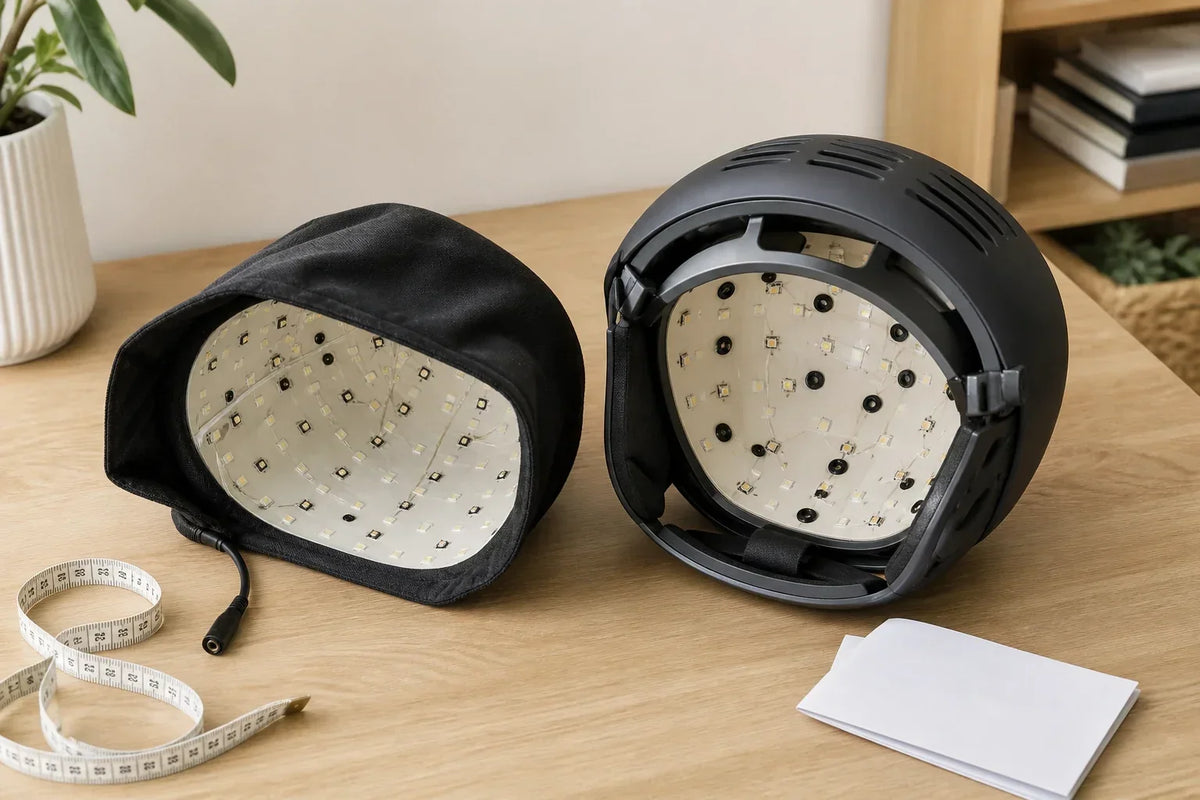
From an editor’s point of view, masks are popular because they remove guesswork. You put the mask on, start the timer, and keep the routine consistent. Panels can be more flexible, but they require more discipline with distance and angle. Wands are convenient for spots, but they are easy to overuse in one tiny area.
| Device Type | Best For | Pros | Limitations |
|---|---|---|---|
| Blue + red LED face mask | Full-face mild acne-prone routines | Easy timing, even coverage, beginner-friendly | Fit and eye comfort vary by design |
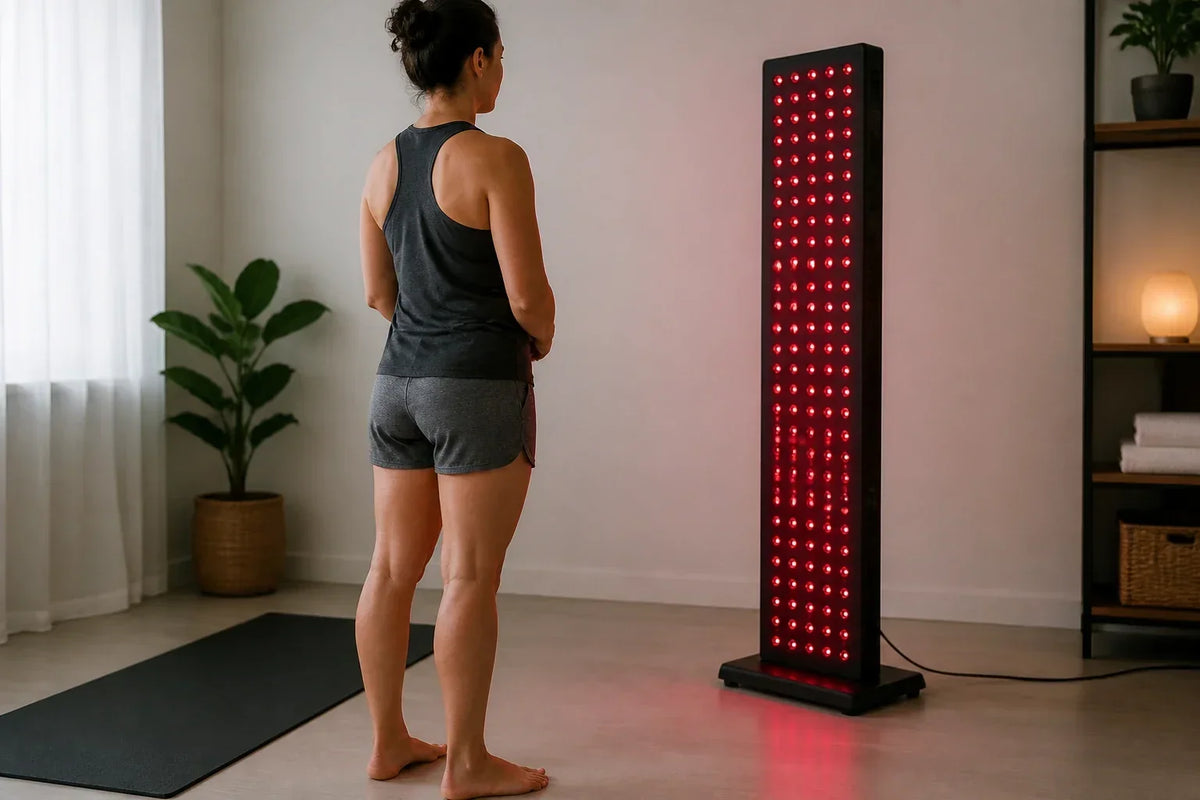
| Small LED panel | Face, chest, back, or larger breakout-prone areas | Flexible coverage and adjustable distance | Requires correct distance and consistent positioning |
| Handheld LED wand | Small targeted blemish-prone zones | Portable and easy to store | Can create uneven exposure if used randomly |
| Seven-color beauty device | General beauty experimentation | Multiple modes may feel appealing | Often weaker for acne if specs are vague |
| Dermatology office device | Users needing professional guidance | Higher supervision and stronger equipment | Costs more and requires appointments |
What Specs Matter Most When Choosing an LED Light for Acne?
Many shoppers search for “best LED light for acne” and immediately compare brand names. I would compare specs first. A pretty device with unclear wavelengths, no timer, and no safety information is not the strongest choice.
The AAD notes that at-home devices are less powerful than those used by dermatologists. That does not make home devices useless, but it does mean you should judge them by realistic home-use standards: clear wavelengths, consistent timing, eye comfort, credible safety information, and a routine you can actually repeat.
| Buying Factor | What to Look For | Red Flag |
|---|---|---|
| Blue wavelength | Clearly listed blue light around 405–420nm | “Blue mode” with no wavelength listed |
| Red wavelength | Clearly listed red light around 630–660nm | Only says “anti-acne light” with no details |
| Timer | Auto shutoff around the recommended session length | No timer or pressure to use longer sessions |
| Eye design | Comfortable eye openings, shields, or clear eye safety guidance | Bright LEDs near eyes with no instructions |
| Coverage | Enough LEDs for the area you want to cover | Tiny light head for full-face goals |
| Safety language | Clear instructions, warnings, and realistic claims | Promises fast, dramatic, or permanent results |
Who Should Not Rely on At-Home LED Light Alone?
At-home LED light may fit mild, surface-level acne-prone routines, but it is not the right main plan for every skin situation. The AAD specifically notes that visible light is not effective for blackheads, whiteheads, acne cysts, or nodules. That matters because many shoppers buy LED masks expecting them to solve every type of breakout.
I would be careful here: if acne is deep, painful, spreading, leaving marks quickly, or affecting your confidence in a serious way, do not wait months for an LED mask to “maybe” help. That is the point where professional guidance is more practical.
- Deep, painful cyst-like breakouts
- Nodules under the skin
- Severe or rapidly worsening acne
- Acne that leaves visible marks quickly
- Skin that reacts strongly to light or heat
- Use of medications that may increase light sensitivity
- Eye conditions where bright light may be a concern
Simple At-Home Routine: Cleanse, LED, Then Skincare
A good LED acne routine should not feel complicated. It should fit into your regular skincare without becoming a second job.
If this were my routine, I would start with clean, dry skin. I would use the LED device for the recommended time, then apply gentle skincare afterward. I would not apply thick moisturizer, heavy oils, sunscreen, makeup, or strong actives before the light session unless the device instructions specifically say otherwise.
| Step | What to Do | Why It Matters |
|---|---|---|
| 1. Cleanse | Wash with a gentle cleanser | Removes oil, sunscreen, and makeup that may interfere with a clean routine |
| 2. Dry skin fully | Pat dry and wait until skin feels comfortable | LED devices are usually intended for clean, dry skin |
| 3. Use LED | Use blue + red light according to the device timer | Creates a consistent, measurable routine |
| 4. Apply gentle skincare | Use lightweight moisturizer or dermatologist-approved acne products | Helps reduce dryness and routine irritation |
| 5. Use SPF in daytime | Apply sunscreen if it is a morning routine | Acne-prone skin still needs daily sun protection |
Common Mistakes When Choosing LED Light for Acne
The most common buying mistake is choosing the most dramatic-looking device instead of the most relevant one. Acne-focused LED does not need twenty modes. It needs the right wavelengths, a sensible timer, and safe, repeatable use.
The FTC’s health product compliance guidance reminds marketers that health-related claims should be truthful, not misleading, and supported by reliable evidence. You can review the guidance here: FTC Health Products Compliance Guidance.
| Mistake | Why It Hurts Results | Better Move |
|---|---|---|
| Buying a seven-color device with no specs | It may not deliver useful acne-focused wavelengths | Choose clear blue and red wavelength information |
| Using LED once a week randomly | Light routines rely on consistency | Build a fixed schedule, such as 3–5 sessions weekly |
| Using it for 30 minutes to speed up results | Overuse can increase irritation or dryness | Follow the timer and device instructions |
| Expecting cystic acne improvement from a mask | Visible light devices are not suited for deep cysts or nodules | Ask a dermatologist about deep or painful acne |
| Stacking harsh skincare before LED | Skin may become more reactive | Use LED on clean, dry skin and keep aftercare gentle |
My Practical View
My personal take is simple: for mild acne-prone skin, the best LED light is usually blue + red, not because it sounds more advanced, but because it matches how real people think about breakouts. They do not only care about the pimple itself. They also care about visible redness, uneven tone, and how irritated their routine makes their skin look.
If I were helping a friend choose a device, I would ask three questions before looking at brand names: Does it list blue around 405–420nm? Does it include red around 630–660nm? Does it have a timer that keeps the routine around 10 to 15 minutes?
What often gets missed in ranking articles is the acne type. A person with a few surface pimples and oily skin is shopping for a different solution than someone with deep cysts. Putting both people into one “best LED mask” list is not helpful.
I would not overthink luxury modes, app controls, or celebrity endorsements. The part I would pay attention to is whether the device is specific, repeatable, and realistic. A simple blue + red device with clear timing may be more useful than a beautiful device that makes vague promises.
References
- American Academy of Dermatology: Lasers and Lights for Acne
- American Academy of Dermatology: Red Light Therapy Safety
- Harvard Health: LED Lights and Skin Concerns
- Cleveland Clinic: LED Light Therapy
- NIH/PMC: Light-Based Therapies in Acne
- NIH/PMC: Light-Emitting Diodes in Dermatology
- NIH/PMC: Effect of Blue Light on Acne Vulgaris
- FDA: General Wellness Policy for Low Risk Devices
- FTC: Health Products Compliance Guidance
FAQ
Which LED light is best for acne?
Blue LED light is usually the most acne-focused option for active pimples, while blue + red LED is often the better all-around choice for mild acne-prone skincare routines because red light can support calmer-looking skin and visible redness balance.
Is blue light or red light better for acne?
Blue light is usually more directly associated with acne-prone breakouts. Red light is commonly used as a supportive color for skin comfort and visible redness, so many acne-focused devices combine blue and red.
What wavelength LED light is best for acne?
Many acne-focused at-home LED devices use blue light around 405–420nm and red light around 630–660nm. Exact wavelengths vary by device, so always check the published specifications before buying.
How long should I use LED light for acne?
Many at-home LED acne routines are around 10 to 15 minutes per session, but the correct time depends on the device. Follow the manual instead of extending sessions to chase faster results.
Can LED light help blackheads or whiteheads?
The American Academy of Dermatology notes that visible light is not effective for blackheads or whiteheads. Those concerns usually need a different skincare or dermatologist-guided approach.
Can I use LED light for cystic acne?
At-home visible light devices are not the right main approach for acne cysts or nodules. If acne is deep, painful, or leaving marks, it is better to speak with a dermatologist.
Should I use LED light before or after skincare?
Most users should use LED on clean, dry skin before applying heavier serums, moisturizers, sunscreen, or makeup. Keep the routine gentle, especially if you already use acne-focused ingredients.