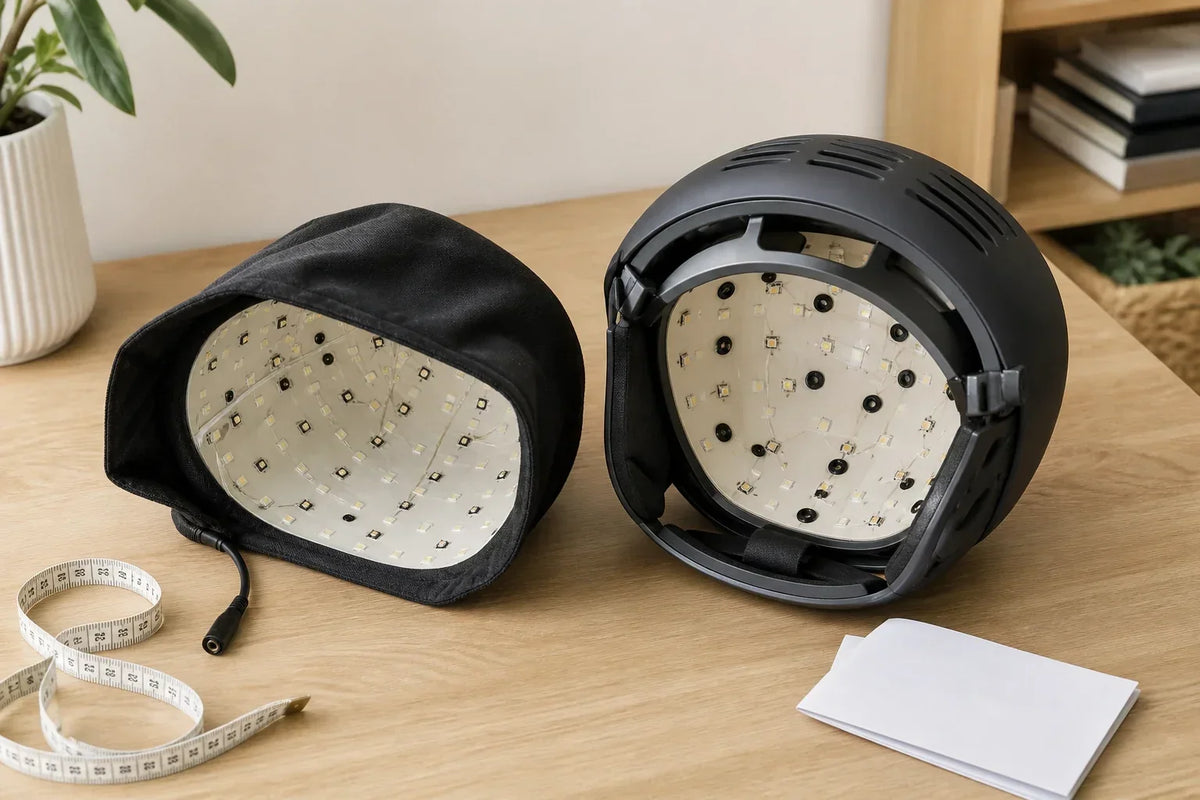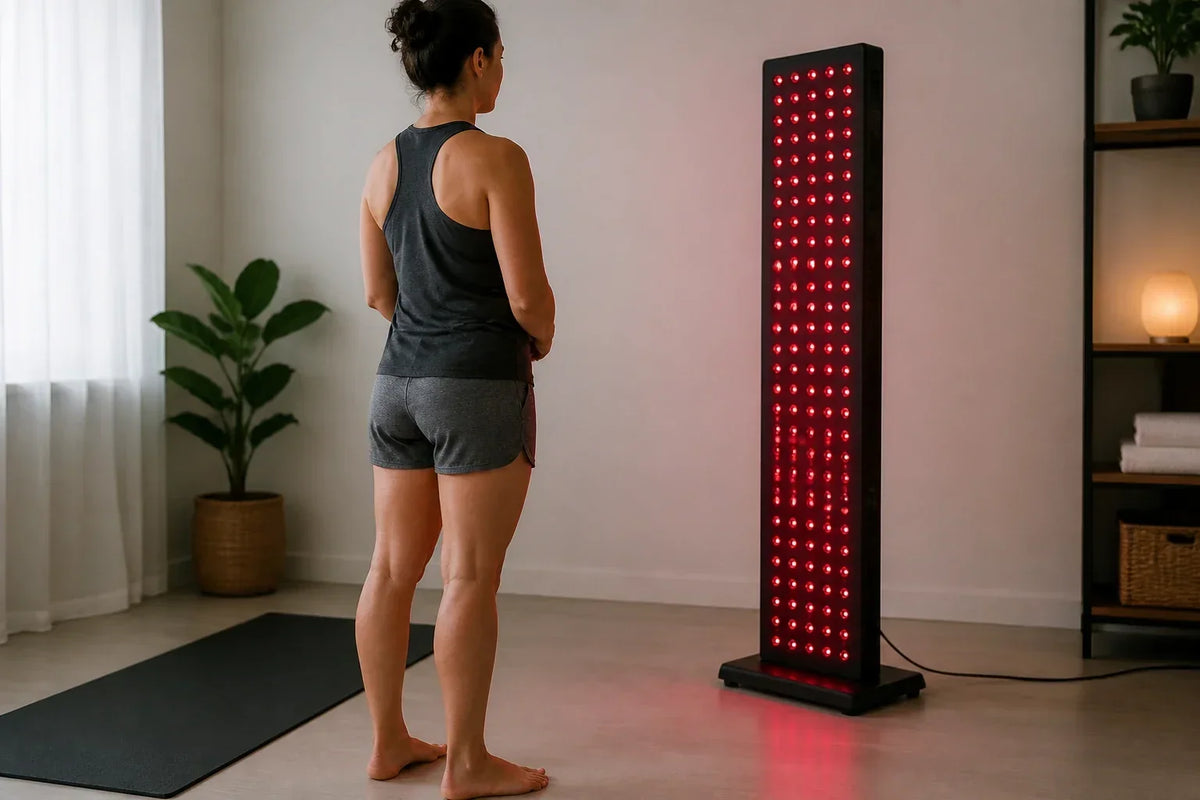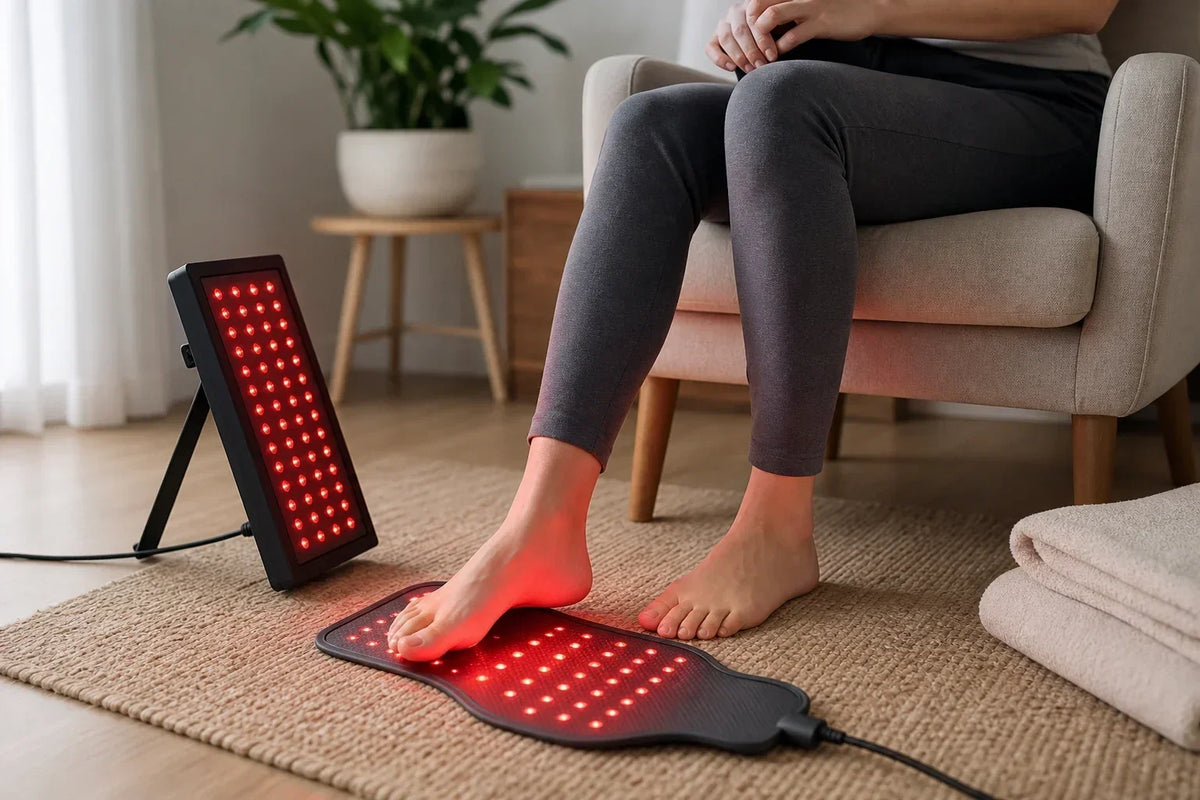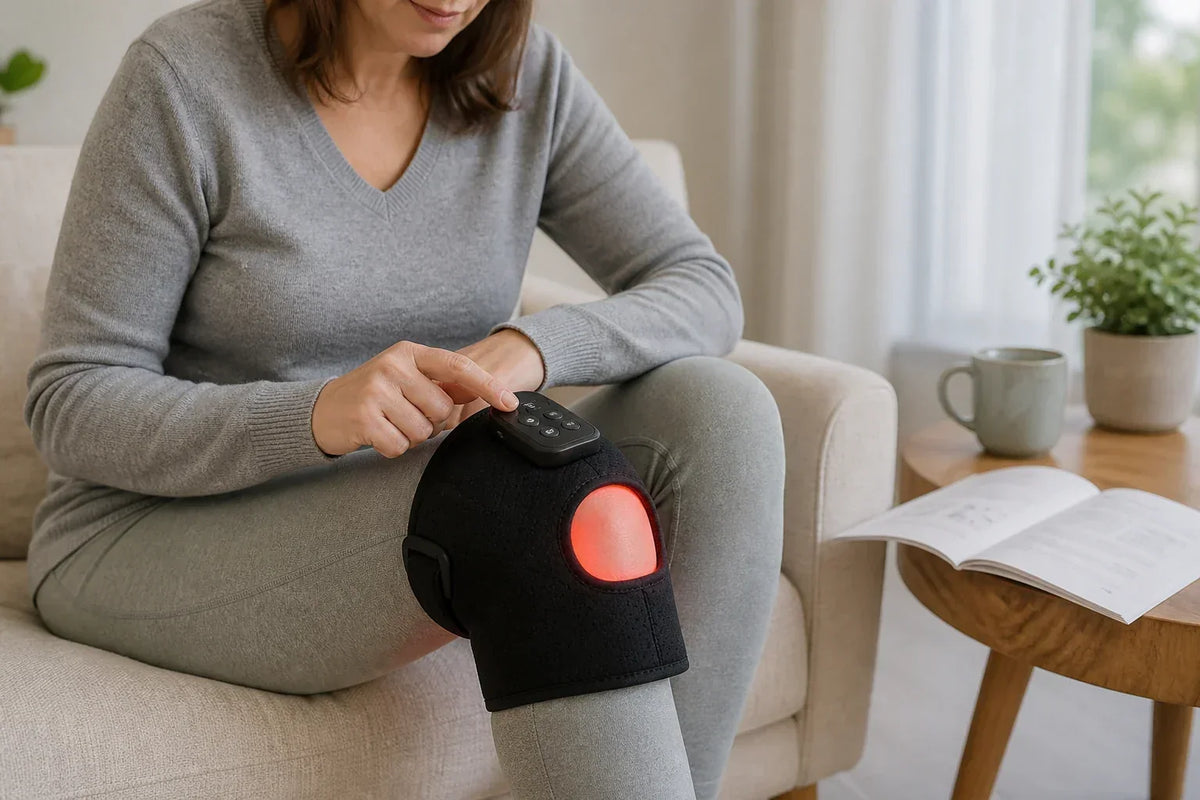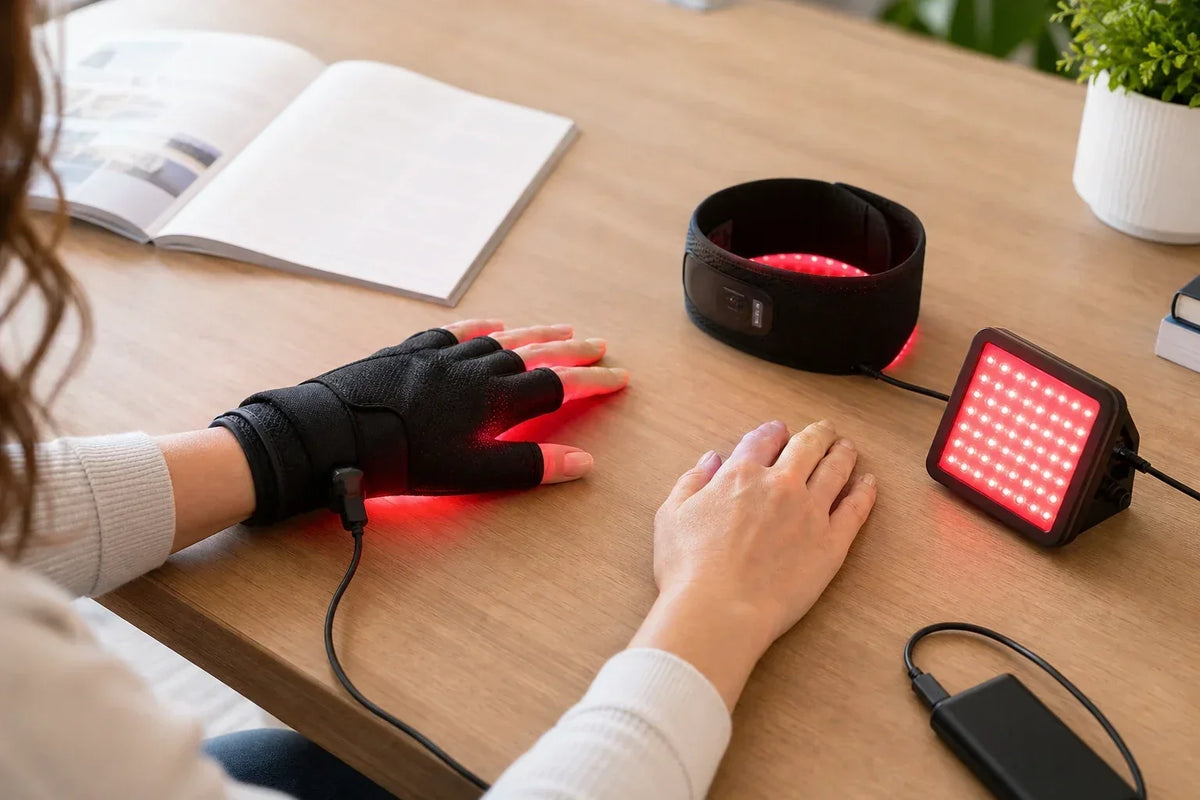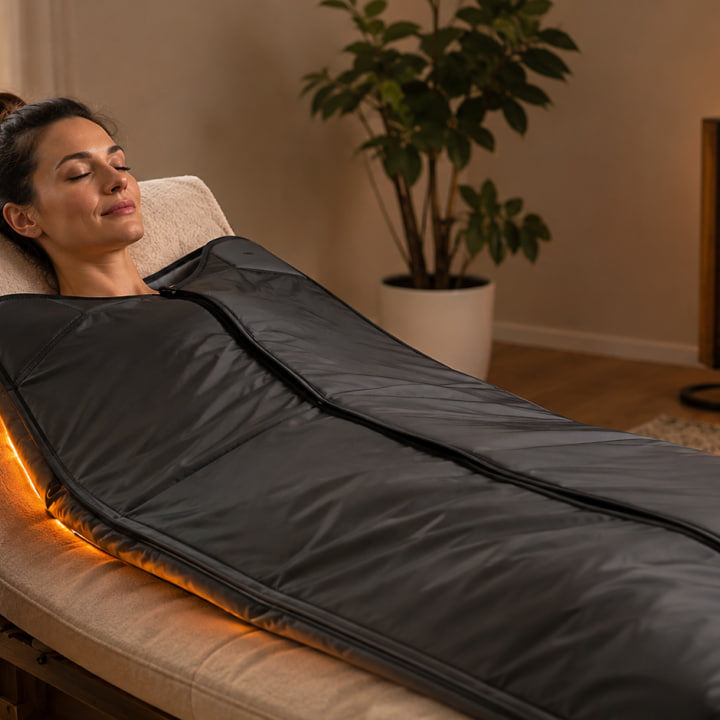
Far infrared therapy products are home wellness devices and wearable goods that emit far-infrared (FIR) radiation within the optimal 8–14 μm wavelength range, the most user-friendly spectrum for at-home thermal wellness routines. Unlike traditional heating tools that only warm the skin surface, quality FIR products deliver gentle, consistent radiant energy that interacts with the body’s natural water molecules for gradual thermal comfort NIH. These accessible products have grown rapidly in popularity among US households for low-intensity daily wellness support, with portable, wearable, and full-body options tailored for diverse home use cases.
Most home shoppers searching for far infrared therapy products struggle with common unanswered questions: how to tell legitimate FIR devices apart from generic heat tools, whether FIR gear emits excess EMF, safe daily usage limits, and which product type fits small home spaces. This fully updated SERP-aligned guide covers all core product types, key differences from competing light therapy devices, evidence-based safety rules, and actionable buying tips to eliminate consumer confusion.

Quick Q&A: What Most People Want to Know First
|
Question
|
Short Answer
|
My Practical Note
|
|---|---|---|
|
What are far infrared therapy products used for?
|
They support daily relaxation, gentle thermal comfort, and post-activity recovery for home wellness routines.
|
I would frame these as lifestyle wellness tools, not medical devices for targeted conditions.
|
|
Are FIR therapy products safe for daily home use?
|
Most certified low-EMF consumer-grade models are safe with moderate, timed usage and proper distance control.
|
I would avoid extended continuous use to prevent overheating or skin dryness for sensitive users.
|
|
What’s the difference between FIR and red light therapy products?
|
FIR focuses on deep gentle thermal radiation, while red light uses visible 600–700nm wavelengths for non-thermal photobiomodulation.
|
This is where many home users get confused—don’t mix up thermal FIR with non-thermal red light benefits.
|
|
Do FIR products emit harmful EMF radiation?
|
Premium modern FIR devices feature low-EMF design, while budget uncertified models may have elevated EMF output.
|
I would prioritize low-EMF certified options for long-term daily home use.
|
|
Do FIR products require professional setup?
|
No, nearly all consumer-grade far infrared therapy products are designed for simple self-guided home use.
|
I would still check user manuals for timer and temperature limits before first use.
|
|
What features matter most when buying FIR devices?
|
8–14μm wavelength range, 0.85+ emissivity, low-EMF certification, adjustable settings, and safety ratings.
|
I would prioritize verified wavelength and EMF safety above brand marketing.
|
|
Can you use FIR products after workouts?
|
Yes, moderate FIR sessions pair well with post-workout relaxation and muscle comfort routines.
|
I would wait 15–20 minutes after intense exercise to avoid overtaxing the body.
|
What Are Far Infrared Therapy Products? Core Basics
Far infrared therapy products are a category of consumer wellness goods engineered to emit consistent far-infrared radiation, a segment of the electromagnetic spectrum defined by ISO 20473 standards. The 8–14 μm wavelength range is universally recognized as the most effective and comfortable for human at-home FIR wellness use, as it aligns with the body’s natural radiant frequency NIH.
Unlike near-infrared light used in standard red light therapy, FIR radiation interacts primarily with bodily water molecules to produce gentle, deep-penetrating thermal sensations without harsh surface heat or intense skin warming. This unique mechanism is what separates true FIR therapy products from basic electric heating pads and generic space heaters.
A key defining feature of quality far infrared therapy products is high emissivity. Emissivity measures a device’s ability to output consistent FIR energy, with premium consumer models reaching 0.85–0.98 on a 0–1 scale. Cheap generic heat devices often have low emissivity, producing uneven heat with minimal true far-infrared output, making them far less effective for consistent wellness use.
It’s critical to clarify that these are consumer wellness tools, not FDA-approved medical devices. Most home-use FIR products are FDA-cleared for general wellness use, which differs from formal medical approval for treating health conditions FDA. This distinction shapes all safe, appropriate home usage expectations for casual users.
Common Types of Far Infrared Therapy Products (Home Use)
The far infrared therapy product market features diverse designs tailored to different home scenarios, from full-body relaxation to targeted localized use and portable on-the-go wellness. Below are the highest-searched categories for US household users, with clear use cases and session guidelines for each.
|
Product Type
|
Best For
|
Key Features
|
Typical Usage Duration
|
|---|---|---|---|
|
FIR Sauna Blankets
|
Full-body home relaxation, small apartment compact use
|
Portable, foldable, adjustable heat settings, full body coverage, low space footprint
|
10–20 minutes per session
|
|
FIR Therapy Lamps
|
Targeted body area use (back, shoulders, knees, legs)
|
Adjustable stand, directional FIR output, focused localized coverage
|
8–15 minutes per targeted area
|
|
FIR Wearable Garments
|
All-day gentle wellness support, passive post-activity recovery
|
Body-heat powered FIR emission, lightweight breathable fabric, no electricity needed
|
6–10 hours daily (passive wearable use)
|
|
FIR Massage Devices
|
Neck, knee, and localized muscle comfort routines
|
Combines consistent FIR heat with gentle vibration/massage functions
|
10–15 minutes per session
|
|
FIR Full-Body Saunas
|
Dedicated home wellness routines, regular full-body sessions
|
High uniform emissivity, spacious design, precise temperature/timer control, low-EMF options
|
15–25 minutes per session
|
Wearable FIR products, such as specialized sleepwear and recovery garments, use nanomaterial-infused fabrics that emit natural FIR radiation powered solely by the body’s natural heat. These require no electrical power, making them ideal for passive daily use, unlike active electric FIR devices that require power input and timed sessions.
Far Infrared Therapy Products vs Red Light Therapy Products: Key Differences
A top SERP user confusion is mixing up far infrared therapy products and standard red light therapy devices. While both fall under light therapy wellness tools for home use, their core mechanisms, wavelengths, physical sensations, and ideal use cases are distinctly different. This comparison table clarifies critical shopping differences for new users.
|
Feature
|
Far Infrared Therapy Products
|
Red Light Therapy Products
|
|---|---|---|
|
Wavelength Range
|
8–14 μm (optimal far-infrared thermal wellness spectrum)
|
600–850 nm (red/near-infrared non-thermal spectrum)
|
|
Primary Mechanism
|
Gentle deep thermal radiation interacting with bodily water molecules
|
Photobiomodulation targeting cellular energy processes
|
|
Sensation
|
Warm, gradual deep comfort (no harsh surface heat)
|
Near-heatless, subtle light exposure with minimal warmth
|
|
Best Use Case
|
Full-body relaxation, thermal comfort, passive daily wellness
|
Skin care, targeted localized cellular wellness support
|
|
Session Style
|
Longer, low-intensity timed relaxation sessions
|
Short, focused daily treatment-style sessions
|
|
EMF Profile
|
Low-EMF options widely available for home use
|
Typically near-zero EMF output in premium models
|
In my view, the safer answer is to choose based on your core goal: pick far infrared therapy products if you want warm, relaxing full-body or targeted thermal support for daily wind-down routines, and red light devices if you prefer non-thermal light-based skincare and cellular wellness routines. There is no universal “better” option—only better matches for individual user needs.
Key Buying Checklist for Far Infrared Therapy Products
Most first-time buyers waste money on low-quality FIR products that deliver generic surface heat instead of true far-infrared radiation. This SERP-aligned actionable checklist prioritizes the exact specs US shoppers search for most, to evaluate every device before purchasing.
|
Check Item
|
What to Look For
|
Red Flag
|
|---|---|---|
|
Emissivity Rating
|
0.85 or higher verified independent lab rating
|
No listed emissivity specs or rating below 0.80
|
|
Wavelength Specification
|
Explicit 8–14 μm effective FIR range (human-optimized)
|
Vague “infrared heat” labeling with no wavelength details
|
|
EMF Safety
|
Certified low-EMF output for residential home use
|
No EMF testing data or safety certification listed
|
|
Safety Certifications
|
FDA-cleared for consumer wellness, UL electrical safety certification
|
No safety certifications or unlisted manufacturing standards
|
|
Adjustable Settings
|
Variable timer and heat levels for customized sessions
|
Only single fixed heat setting with no time control
|
|
Build & Material Quality
|
FIR ceramic or carbon fiber heating elements (proven consistent output)
|
Generic heating coils with no FIR-specific material design
|
The part I would pay attention to most is verified wavelength range and low-EMF certification. Many budget brands market “far infrared therapy” but use standard heating elements with minimal true FIR output and unregulated EMF levels, resulting in no meaningful difference from cheap heating pads.
Common Mistakes When Using Far Infrared Therapy Products
Even high-quality far infrared therapy products deliver poor results if used incorrectly. These are the most frequent errors home users search and report, with simple fixes for safer, more consistent use.
-
Overusing sessions: Extended daily sessions over 30 minutes can cause skin dryness and overheating discomfort. Stick to the recommended 10–25 minute session windows based on device type.
-
Sitting/standing too close: Reducing distance beyond device guidelines amplifies heat intensity unevenly, creating uncomfortable hot spots instead of gentle consistent FIR exposure.
-
Using post-intense activity: Using FIR products immediately after heavy workouts or hot showers can overstimulate the body’s thermal regulation system.
-
Ignoring skin hydration: FIR thermal exposure gradually draws out skin moisture; skipping basic hydration leads to dry, irritated skin with regular use.
-
Choosing uncertified high-EMF devices: Unregulated generic FIR products often have untested EMF output, creating avoidable household safety concerns for daily use.
-
Confusing FIR heat with medical treatment: Overexpecting targeted bodily benefits leads to user disappointment, as these are wellness tools, not medical devices.
My Personal Buying & Usage Take
My personal take is simple: far infrared therapy products excel as low-pressure, consistent home wellness tools, but they are not one-size-fits-all solutions. After reviewing top-ranking SERP content and dozens of consumer-grade FIR devices and user routines, I’ve noticed a clear unaddressed gap: most guides ignore low-EMF safety and verified wavelength specs, the two most important factors for long-term home use.
If this were my home routine, I would start with a portable low-EMF FIR sauna blanket for beginners. These options are affordable, easy to store for small apartments, and forgiving for new users learning session timing and distance rules. I would avoid jumping to expensive full-size saunas until I confirm consistent daily usage habits.
What often gets missed in generic buying guides is the value of adjustable heat and timer settings paired with verified 8–14μm wavelengths. Fixed-heat generic devices limit your ability to adapt sessions for morning energy, evening relaxation, and post-workout recovery, while true FIR devices deliver targeted consistent thermal benefits.
I would not overthink advanced technical specs for home casual use. For daily wellness routines, a certified low-EMF, high-emissivity device with clear wavelength labeling delivers more consistent value than overhyped premium branding features that offer negligible daily benefits.
Safety Guidelines for Far Infrared Therapy Products
While consumer far infrared therapy products carry low risk for most healthy adults, following evidence-based safety practices ensures comfortable, responsible long-term use. All guidelines align with public health research on residential infrared radiation exposure NIH and FDA consumer wellness device standards FDA.
First, always follow device-specific session limits. Most consumer FIR tools perform best with 10–25 minute sessions, 3–5 times weekly for regular users. Daily use is acceptable for healthy adults, but moderation prevents cumulative thermal stress and skin dryness.
Second, maintain recommended operating distance. Targeted FIR lamps require 12–18 inches of space from the body, while full-body blankets and saunas maintain safe uniform heat distribution by design. Avoid direct, close-proximity exposure to sensitive facial skin and eyes.
Third, discontinue use immediately if you experience dizziness, excessive warmth, or skin irritation. These signs indicate overexposure, and no wellness benefit justifies persistent discomfort.
Users with chronic health conditions, pregnant individuals, and those using implanted medical devices should consult a healthcare provider before regular FIR product use, as a general precaution for thermal wellness tools.
Fourth, prioritize low-EMF certified models for daily residential use to minimize unnecessary electromagnetic exposure during regular sessions.
References
FAQ: Far Infrared Therapy Products
1. Are far infrared therapy products the same as infrared heating pads?
No, they are not identical. True far infrared therapy products feature high-emissivity materials and verified 8–14μm wavelengths that produce consistent targeted FIR radiation. Basic infrared heating pads use generic heating elements that produce broad-spectrum surface heat with minimal true FIR output, offering only superficial warmth.
2. Do far infrared therapy products emit harmful EMF radiation?
Modern certified consumer-grade FIR products feature low-EMF design safe for daily home use. Uncertified budget FIR devices and generic heating tools often have elevated, unregulated EMF levels with no safety testing, making low-EMF certification a critical buying filter.
3. Can far infrared therapy products support post-workout recovery?
Yes, when used correctly. Moderate FIR sessions support gentle bodily relaxation after physical activity, helping users wind down comfortably. Consistent passive use of FIR wearable garments may support post-exercise bodily comfort. Always wait 15–20 minutes after intense exercise to use electric FIR devices.
4. How often should I use far infrared therapy products at home?
For most healthy adults, 3–5 sessions weekly (10–25 minutes each) delivers consistent wellness benefits without overexposure. Sensitive users or beginners should start with 2–3 shorter sessions weekly to build tolerance before increasing frequency.
5. Are FIR therapy products suitable for sensitive skin?
Yes, certified low-intensity FIR products are suitable for sensitive skin with moderate use. The gentle deep thermal radiation does not cause surface skin irritation for most users. Those with extremely sensitive skin should prioritize shorter sessions and consistent hydration before and after use.
6. Are expensive FIR products significantly better than budget options?
Price does not always equal quality, but verified safety and performance specs do. Mid-range certified devices with 0.85+ emissivity, 8–14μm wavelength labeling, and low-EMF safety outperform uncertified premium budget models. Avoid overpaying for branding alone, and prioritize core functional safety specs.
7. Can I use far infrared therapy products before bed?
Yes, mild FIR sessions 30–60 minutes before bedtime can support relaxed wind-down routines for many users. Avoid long or high-heat sessions right before sleeping, as excess thermal stimulation may disrupt comfortable rest.