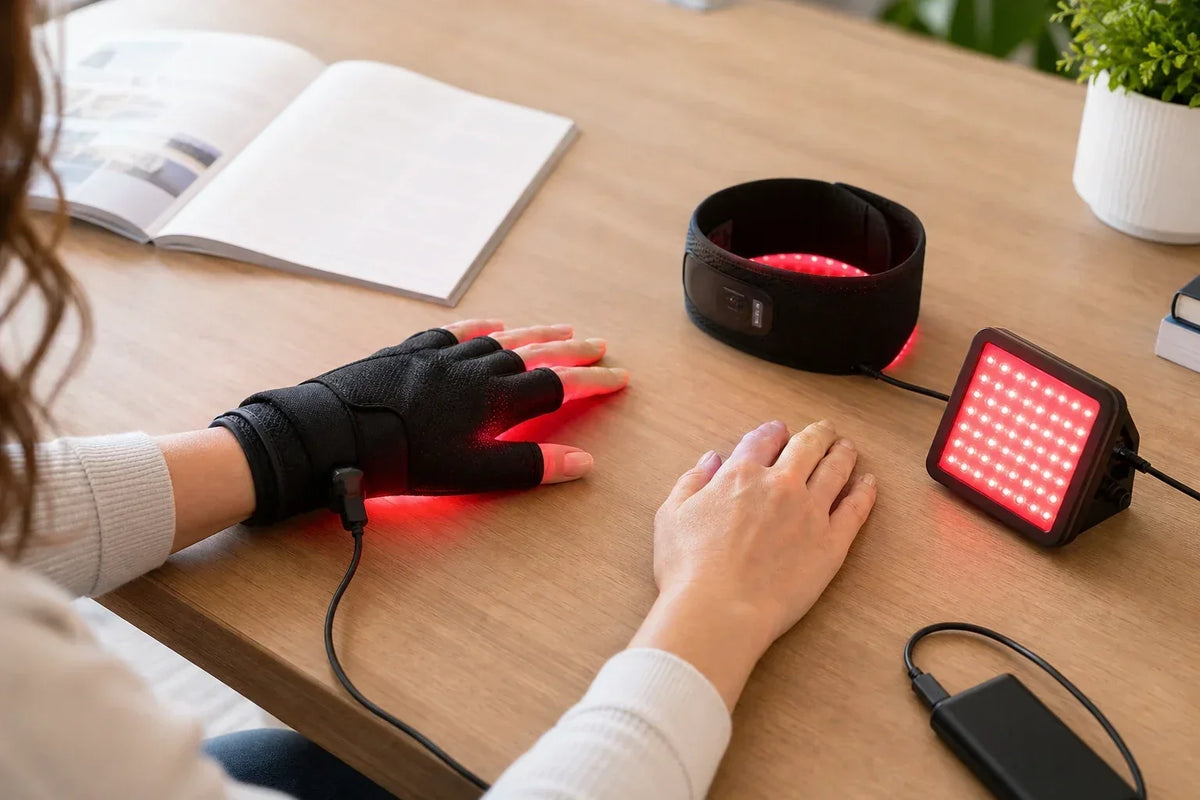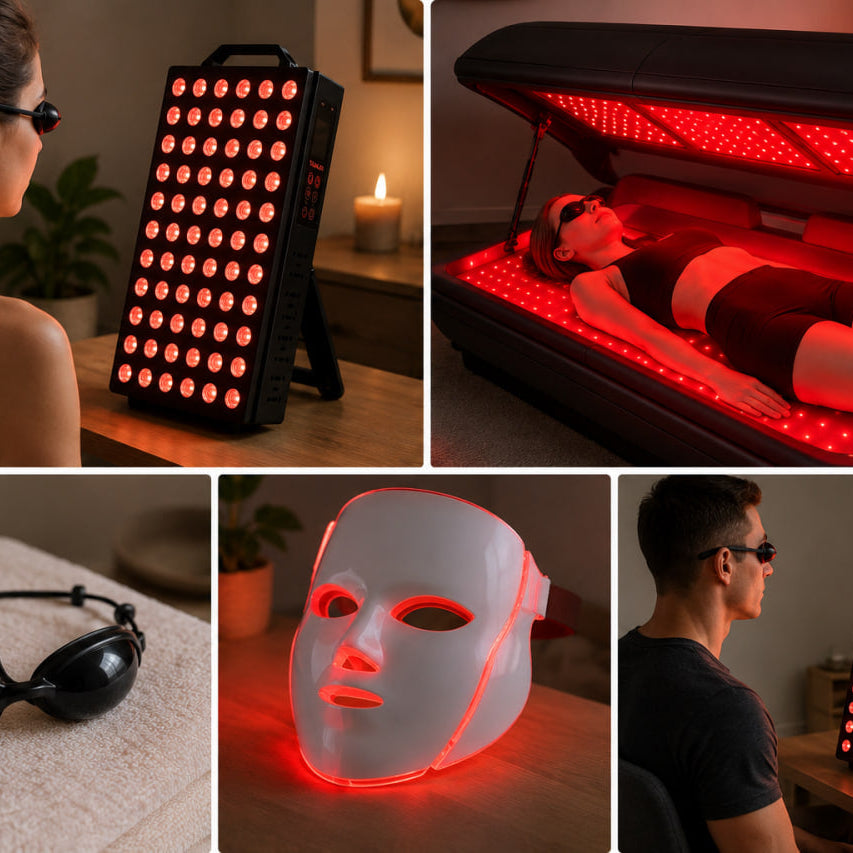
Do you have to wear goggles for red light therapy? The practical answer is: not always, but you should wear goggles or eye shields if your device manual recommends them, if you are using a bright panel near your face, if the session feels uncomfortable to your eyes, or if you have light sensitivity concerns. For a small body session where the light is not pointed near your face, goggles may not always be necessary. For face masks, large panels, beds, and close-up sessions, I would be more careful.
My personal take is simple: eye protection is not the place to act tough. Red light therapy is different from UV tanning, but a bright LED device can still feel intense when it is close to your face. If shields are provided, use them. If the light makes you squint, close your eyes, look away, adjust distance, or stop the session.

Quick Q&A: What Most People Want to Know First
| Question | Short Answer | My Practical Note |
|---|---|---|
| Do you have to wear goggles for red light therapy? | Not every time, but wear them if your manual recommends it or if the light is close to your face. | If a device includes goggles, I would use them instead of guessing. |
| Can I just close my eyes? | Sometimes, but closed eyes are not always the same as proper eye protection. | For bright panels and masks, I would not rely only on eyelids unless the manual says that is enough. |
| Do red light therapy masks need eye protection? | Many masks include eye openings, shields, or instructions about closing your eyes. | Because masks sit close to the face, I would follow the instructions carefully. |
| Can red light therapy hurt your eyes? | Used correctly, red light therapy is generally considered low risk, but misuse or direct staring can be uncomfortable. | Do not stare into bright LEDs. That one rule solves many problems. |
| Do you need goggles for near-infrared light? | Near-infrared can be less visible, so following the device’s eye guidance matters even more. | Invisible does not mean inactive. I would treat NIR panels with respect. |
| What kind of goggles should I use? | Use the goggles or shields provided by the device brand, or eye protection designed for LED/red light devices. | Random sunglasses are not my first choice for a high-powered panel. |
The Simple Rule: Follow the Device Manual First
The safest answer starts with the device manual. Red light therapy devices are not all the same. A small handheld device, an LED face mask, a portable panel, a full-body panel, and a red light therapy bed can create very different exposure situations.
Harvard Health advises users to wear eye protection if the device directions recommend it and to make sure the light is not going into the eyes. You can review the guidance here: Harvard Health red light therapy guidance.
Here’s the practical way I’d look at it: if the product includes goggles, shields, or a warning about eye exposure, take that seriously. The brand is telling you how the device was meant to be used.
When Goggles Are Strongly Recommended
You should be more likely to wear goggles when the light is bright, close, aimed near the face, or used for longer sessions. This is especially true for large panels, face panels, beds, and near-infrared settings.
The American Academy of Dermatology notes that red light therapy appears safe in the short term when used correctly, but users should follow device directions. You can review its overview here: American Academy of Dermatology red light therapy safety overview.
| Situation | Goggles? | Why I Would Be Careful |
|---|---|---|
| Large panel facing the upper body or face | Recommended | The LEDs are bright and may be close to the eyes. |
| LED face mask | Follow the mask instructions | The device sits directly on or near the face. |
| Red light therapy bed | Usually recommended | The light surrounds the body and may be close to the face. |
| Near-infrared mode | Recommended if the manual says so | Some near-infrared light is not visible, so eye comfort can be harder to judge. |
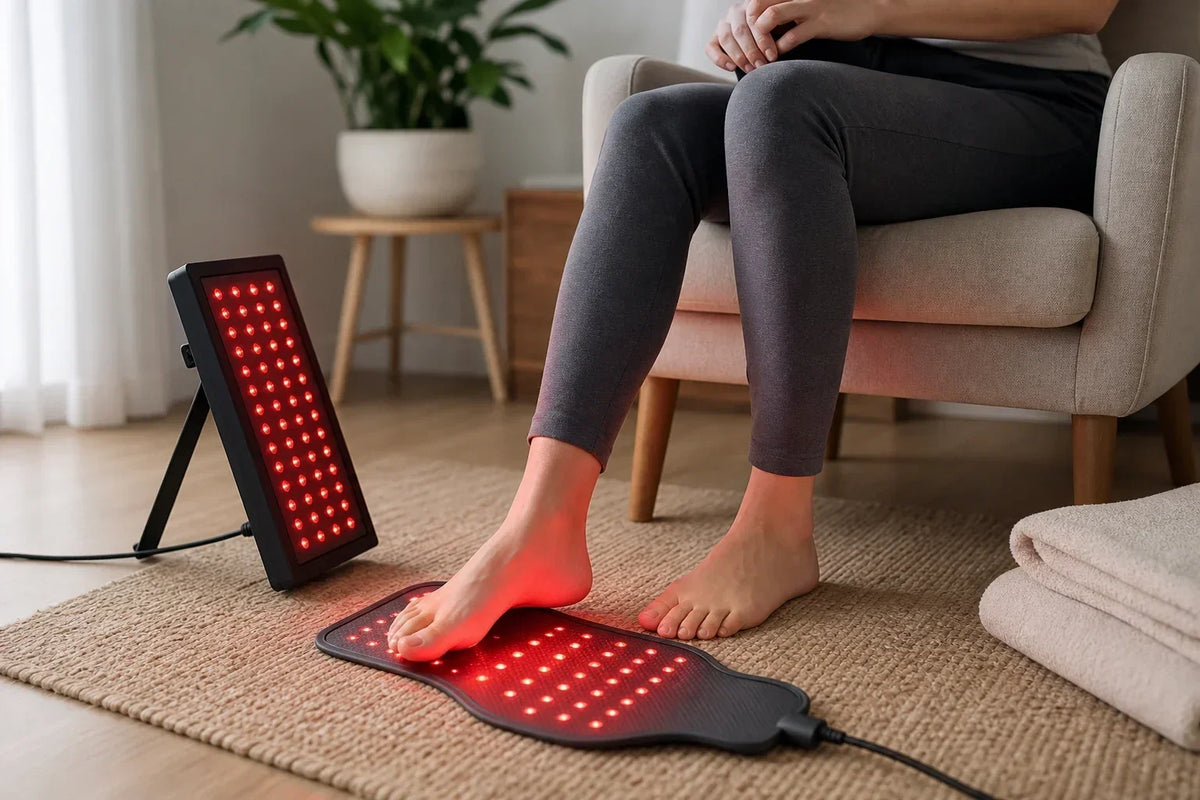
| Lower body session away from the face | May not always be necessary | Still avoid looking directly into the LEDs. |
| Light-sensitive eyes or eye concerns | Ask a professional first | Personal eye history matters more than a general blog answer. |
Can You Just Close Your Eyes?
Closing your eyes can reduce brightness and discomfort, but I would not treat it as a universal substitute for goggles. It depends on the device, distance, intensity, and session position.
If you are using a small device far from your face, closed eyes may feel fine. If you are lying under a full-body bed or sitting close to a bright panel, I would rather use the provided eye shields.
This is where many home users get confused. They think, “It is not UV, so my eyes are fine.” Red light therapy is not the same as UV tanning, but brightness and direct exposure still deserve common sense.
Is Red Light Therapy the Same as UV Tanning?
No. Red light therapy is different from ultraviolet tanning light. Cleveland Clinic explains that red light therapy does not use the cancer-causing ultraviolet light from the sun or tanning booths. You can review its overview here: Cleveland Clinic red light therapy overview.
That said, “not UV” does not mean “no instructions.” A proper red light device should still come with session distance, timing, and eye-safety guidance.
| Light Category | What It Means | Eye Safety Takeaway |
|---|---|---|
| Red light | Visible red light used in many therapy-style devices | Avoid staring into bright LEDs; follow the manual. |
| Near-infrared light | Often paired with red light and may be less visible | Use eye protection when recommended because brightness is not always obvious. |
| UV light | Associated with sunlight and tanning devices | Not the same as proper red light therapy. |
| Blue LED light | Used in some skincare LED devices | Eye caution may be higher with blue light exposure. |
What About Near-Infrared Light?
Near-infrared light is common in full-body red light therapy panels. It is often paired with red light, but it may be less visible or not visible at all.
That is why I would be careful with large devices that include near-infrared settings. You may not feel like the light is intense because you cannot see all of it clearly. The manual matters here.
Some research even studies red and near-infrared photobiomodulation in eye-related settings, but that does not mean home users should shine a panel into their eyes. Research settings are controlled. Your bathroom or bedroom setup is not the same thing.
A PubMed-indexed review on light therapy and eye safety notes that ocular safety can depend on factors like eye health and photosensitivity. You can review the abstract here: PubMed review on light therapy and eye safety.
Red Light Therapy Mask vs Panel: Eye Protection Differences
A red light therapy mask sits close to your eyes. A panel may sit farther away, but it can be much brighter and cover more area. So the eye-safety decision changes by device type.
My rule is simple: the closer and brighter the device is, the more I care about eye protection. A face mask with built-in eye openings is not the same as a strong body panel placed two feet away from your face.
| Device Type | Eye Exposure Situation | What I Would Do |
|---|---|---|
| LED face mask | Very close to the eyes | Use built-in shields, close eyes, or follow mask-specific guidance. |
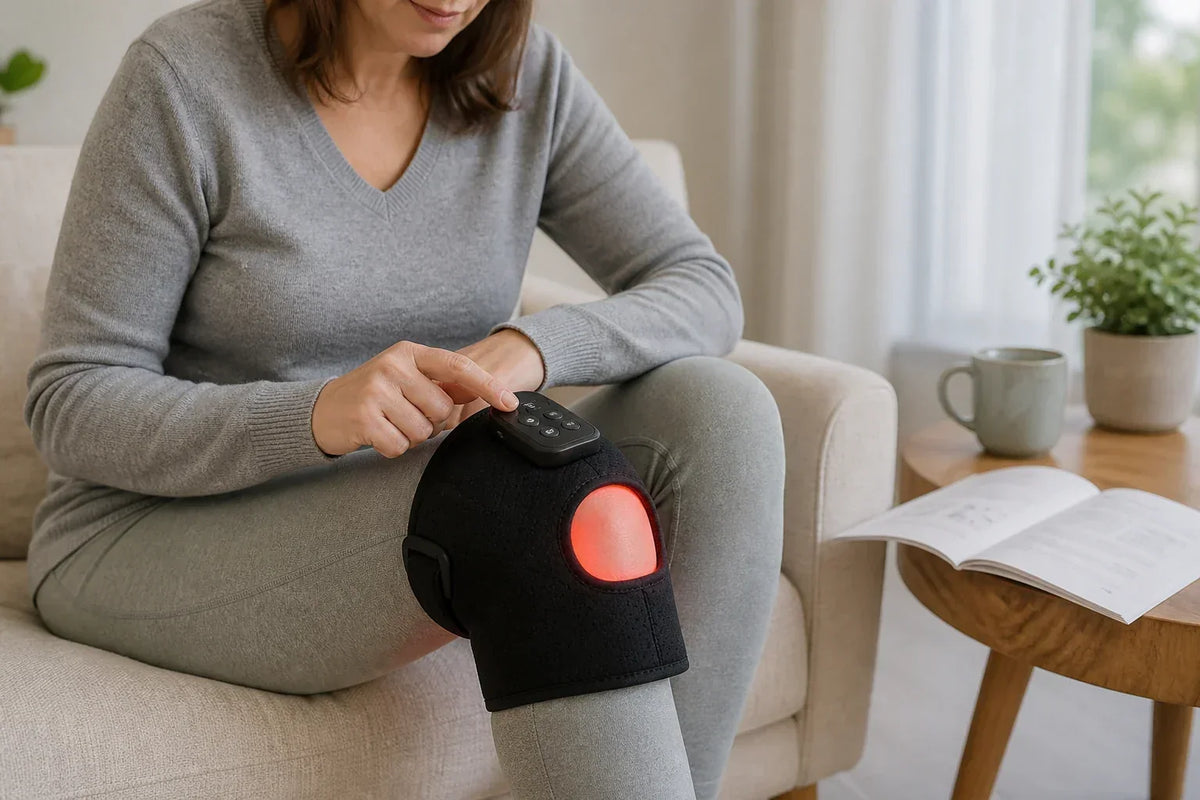
| Small handheld device | Depends on where it is aimed | Keep it away from direct eye exposure. |
| Portable red light panel | Bright if placed near the upper body | Use goggles if facing the device or if the manual recommends it. |
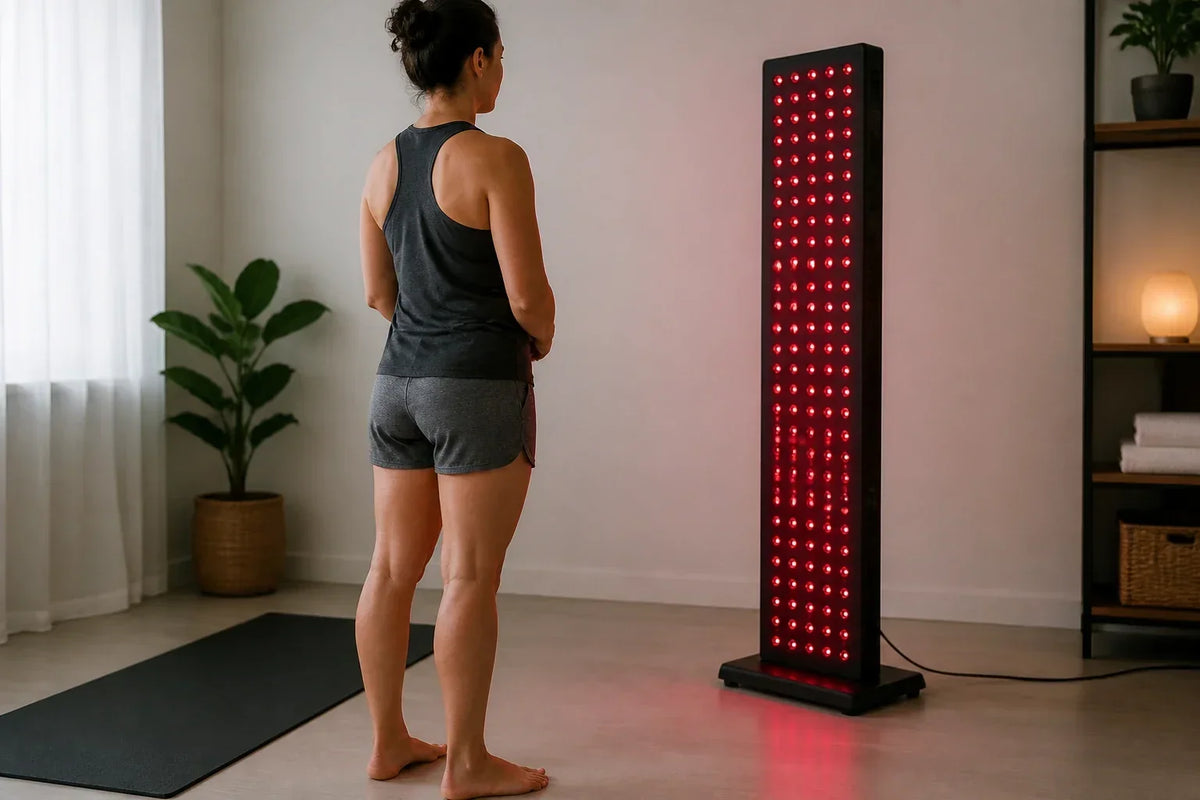
| Large body panel | High brightness and broad exposure | I would wear goggles, especially for front-facing sessions. |
| Red light therapy bed | Light surrounds the face and body | Use the provided eye protection unless the manufacturer says otherwise. |
What Kind of Goggles Should You Wear?
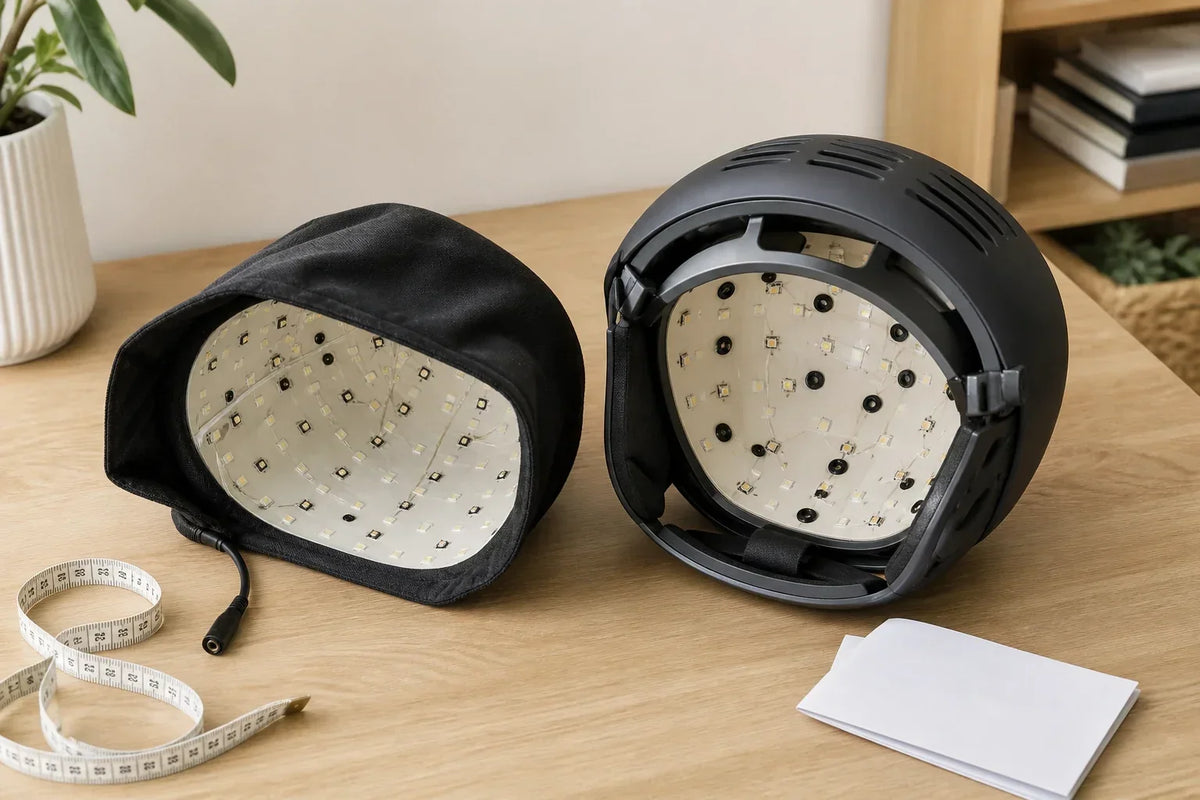
The best goggles are the ones designed for your specific device. Many red light panels and beds include blackout or tinted eye protection. If the device brand provides them, start there.
I would not assume random sunglasses are enough for every red light therapy session. Sunglasses are built for outdoor light, glare, and UV protection. A red light therapy device can have different brightness, distance, and wavelength behavior.
Good Eye Protection Signs
- Provided or recommended by the device manufacturer.
- Comfortable enough to wear through the full session.
- Blocks direct LED brightness from entering the eyes.
- Fits well without slipping during lying or sitting sessions.
- Works with your specific device type: mask, panel, or bed.
Who Should Be Extra Careful?
Some users should be more cautious with red light therapy eye exposure. If you have eye conditions, recent eye procedures, light sensitivity, migraines triggered by bright light, or take photosensitive medications, do not rely on a generic answer.
Harvard Health also notes that people with light-sensitive conditions or taking light-sensitive medications should be cautious. In my view, if your eyes already make you cautious in bright environments, treat red light therapy the same way: slow down and ask a qualified professional.
| User Situation | What to Do | Why It Matters |
|---|---|---|
| Light-sensitive eyes | Use goggles and start conservatively | Comfort is a safety signal. |
| Known eye condition | Ask an eye care professional first | Personal eye history matters. |
| Photosensitive medication | Ask a qualified professional before use | Some medications can change light sensitivity. |
| Using a high-powered panel | Wear goggles if facing the device | Panel brightness can be intense. |
| Using red light with children nearby | Keep children from staring at the LEDs | Bright devices are not toys. |
Common Eye Safety Mistakes
The most common mistake is staring into the LEDs “just to check if it is working.” You do not need to do that. If the device is on, follow the instructions and avoid direct staring.
The second mistake is using a large panel too close to the face. The third is assuming near-infrared is harmless because it may be invisible. The fourth is skipping goggles because the session is only a few minutes.
| Mistake | Why It Happens | Better Move |
|---|---|---|
| Staring into the LEDs | Users want to see if the device is strong | Do not look directly into bright LEDs. |
| Ignoring the manual | People assume all red light devices work the same | Read the eye-safety section first. |
| Using sunglasses instead of proper shields | Sunglasses feel convenient | Use manufacturer-recommended protection when possible. |
| Standing too close to a panel | Closer feels stronger | Follow the recommended distance. |
| Skipping goggles during face sessions | The user thinks closed eyes are enough | Use shields if the device is bright or close. |
| Letting pets or kids stare at the panel | The device looks interesting | Keep sessions supervised and controlled. |
My Practical View
If I were using a red light therapy panel at home, I would make the decision this way: if the light is pointed anywhere near my face, I would wear goggles. If I am using the device on my legs or lower body and my eyes are not facing the LEDs, I would still avoid looking at the panel directly.
I would not overthink this part. Eye protection is easy. Replacing comfort with guesswork makes no sense. If goggles are included, use them. If the light feels too bright, do not push through it.
The part I would pay attention to is distance. A bright panel at close range feels very different from a small device used farther away. Good red light therapy habits are not dramatic: follow the manual, protect your eyes when recommended, keep sessions reasonable, and do not stare at the LEDs.
References
- Harvard Health: Red Light Therapy for Skin Care
- American Academy of Dermatology: Red Light Therapy Safety Overview
- Cleveland Clinic: Red Light Therapy Overview
- PubMed: Light Therapy and Eye Safety Review
- FDA: General Wellness Policy for Low Risk Devices
- FTC: Health Products Compliance Guidance
FAQ
Do you have to wear goggles for red light therapy?
You do not always have to wear goggles, but you should wear them if the device manual recommends them, if the light is close to your face, or if the session feels bright or uncomfortable.
Can I close my eyes instead of wearing goggles?
Closing your eyes may reduce brightness, but it is not always the same as proper eye protection. For bright panels, beds, or close face sessions, use the device-recommended shields or goggles.
Can red light therapy damage your eyes?
Red light therapy is generally considered low risk when used as directed, but direct staring, misuse, high brightness, and personal eye sensitivity can create concerns. Follow the manual and avoid direct eye exposure.
Do you need goggles for a red light therapy mask?
Follow the mask instructions. Some masks include built-in eye shields or guidance to keep your eyes closed. Because masks sit close to the eyes, do not ignore the manufacturer’s eye-safety directions.
Do you need goggles for near-infrared red light therapy?
If your device uses near-infrared light and recommends goggles, use them. Near-infrared may be less visible, so you should not judge safety only by how bright it looks.
Can I use sunglasses for red light therapy?
Regular sunglasses are not always the best choice. Use the goggles, shields, or eye protection recommended by your device maker whenever possible.