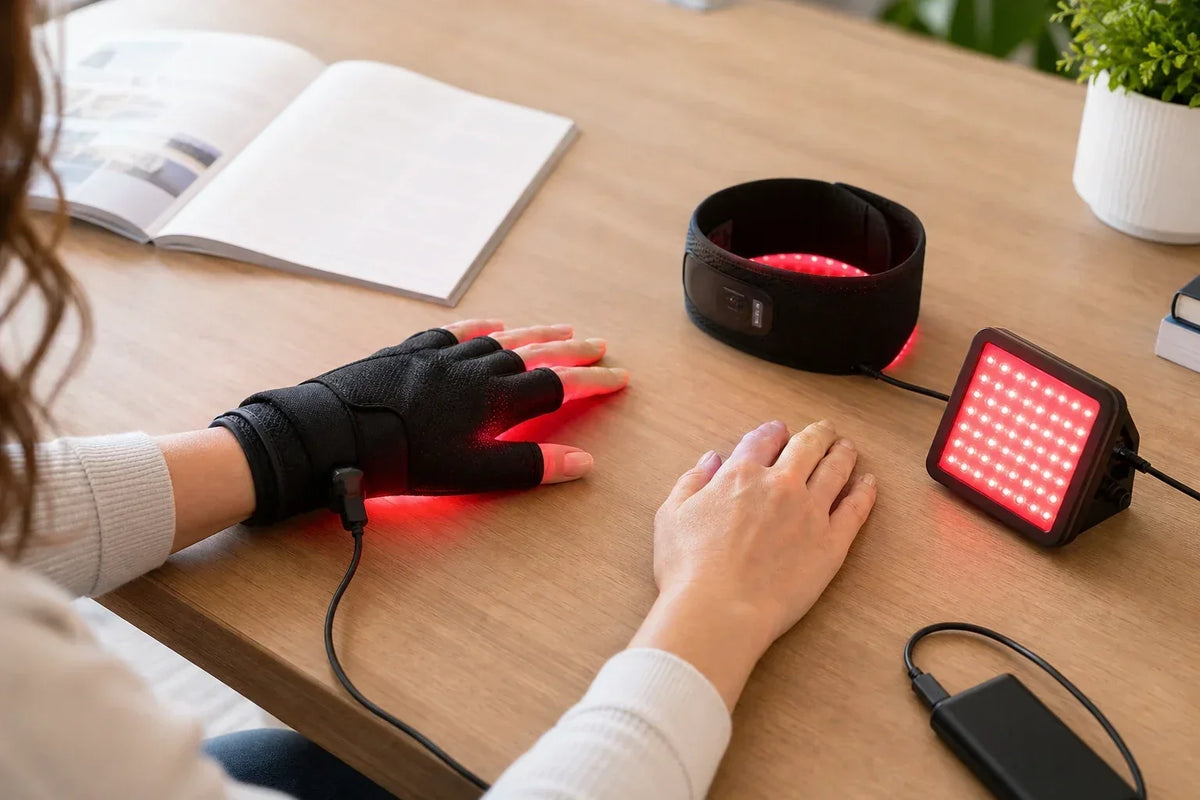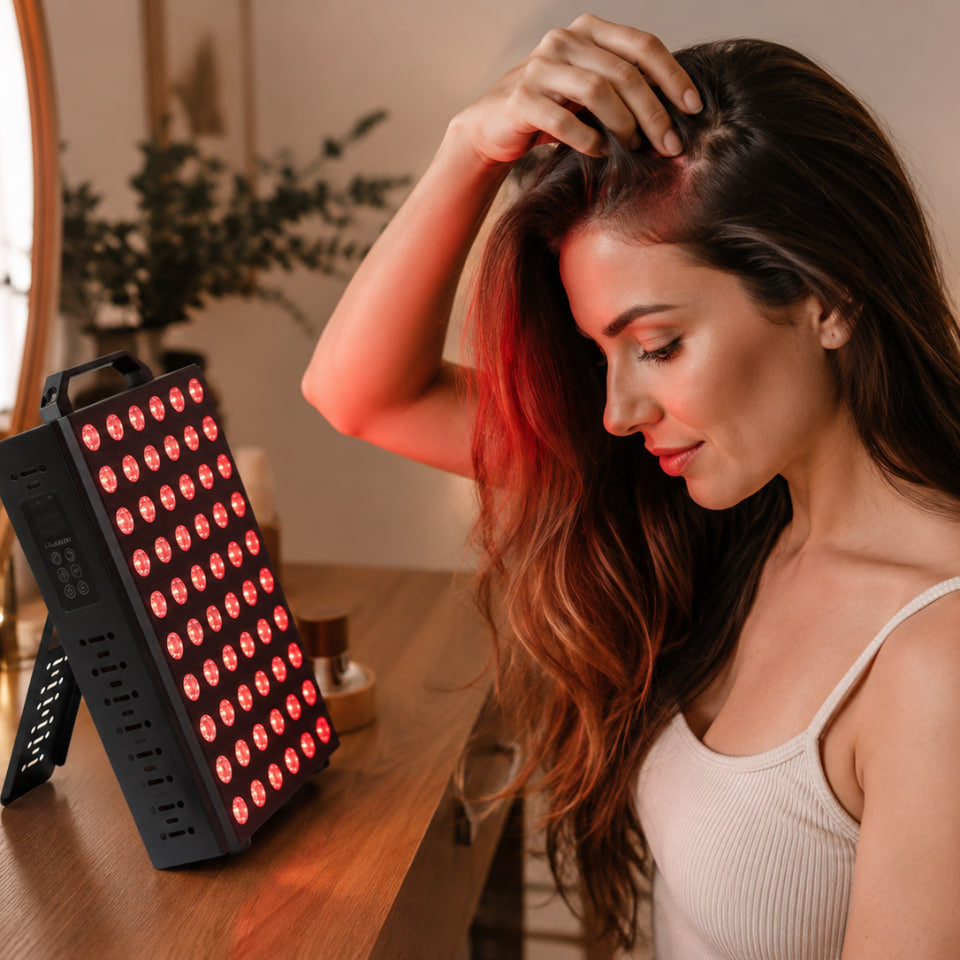
If you are searching what wavelength of red light is best for hair growth, the practical answer is this: most hair-focused red light and low-level light therapy devices are built around the red light range, especially around 630nm to 660nm, with 650nm often appearing in research and consumer hair devices. Some devices also use near-infrared wavelengths, but if the goal is scalp-focused hair appearance and density support, red light around 650nm is the wavelength I would look at first.
My personal take is simple: do not buy a hair-growth light device just because it says “red light.” The wavelength matters, but it is not the only thing. Session time, scalp coverage, device fit, consistency, safety instructions, and whether the product is actually designed for the scalp matter just as much.
The most common mistake I see in this topic is that people treat wavelength like a magic number. It is not. A 650nm device with poor coverage, weak output, or confusing instructions may be less useful than a well-designed scalp device that clearly explains how to use it.

Quick Q&A: What Most People Want to Know First
| Question | Short Answer | My Practical Note |
|---|---|---|
| What wavelength of red light is best for hair growth? | Most hair-focused devices and studies center around red light in the 630nm-660nm range, especially 650nm. | If I were checking a device, 650nm or 660nm would be the first numbers I would look for. |
| Is 650nm good for hair growth? | 650nm is one of the most commonly discussed red light wavelengths in hair-focused research. | I would not call it magic, but it is clearly one of the main wavelengths to understand. |
| Is 660nm better than 650nm? | Not automatically. They are very close red-light wavelengths, and device design may matter more than a 10nm difference. | I would compare the whole device, not just the number on the product page. |
| Is 850nm good for hair growth? | 850nm is near-infrared, often used in body-focused red light devices, but hair-specific devices usually emphasize red light around 630nm-660nm. | For scalp use, I would not choose a device only because it has 850nm. |
| Does red light work for every type of hair concern? | No. Hair shedding and thinning can have many causes, and not every situation fits a light-based routine. | If hair loss is sudden, patchy, or unusual, I would talk to a dermatologist first. |
| How often should you use red light for hair? | Follow the device manual. Many hair devices are built around repeated weekly use over several months. | Consistency matters more than trying to make one long session do everything. |
The Simple Answer: Start With 630nm-660nm Red Light
For hair-focused red light devices, the most useful range to know is 630nm to 660nm. This is the visible red light range commonly used in low-level light therapy devices for scalp-focused routines.
A 2021 NIH/PMC study focused on 650nm red light and described it as a practical wavelength used in hair-growth-related low-level light therapy research. You can review that study here: NIH/PMC study on 650nm red light and hair growth.
Another review on low-level light therapy notes that red or near-infrared light in the 600-950nm range has been used in this field. You can review that article here: NIH/PMC review on low-level light therapy and hair research.
Here’s the practical way I’d look at it: if a scalp device does not clearly list wavelengths, I would not buy it for hair use. If it clearly lists 650nm, 655nm, or 660nm and explains the routine, it is at least speaking the right language.
| Wavelength | Light Type | Hair-Focused Relevance | My Practical View |
|---|---|---|---|
| 630nm | Visible red light | Often included in red light therapy discussions and devices | Worth considering if the device is made for scalp coverage. |
| 650nm | Visible red light | Commonly discussed in hair-focused research and consumer hair devices | This is the number I would expect to see most often. |
| 655nm | Visible red light | Common in laser cap and comb style devices | Very close to 650nm; device quality matters more than tiny differences. |
| 660nm | Visible red light | Popular in red light therapy panels and scalp routines | A strong candidate, especially when the product gives clear instructions. |
| 850nm | Near-infrared light | More common in full-body red light panels than hair-specific devices | Useful to understand, but not the first wavelength I would chase for hair. |
Why 650nm Shows Up So Often
650nm sits in the visible red range. That is one reason it appears again and again in hair-focused devices, laser caps, and LED scalp devices. It is close enough to the surface-focused red light range that many brands use it for scalp routines.
A review on photobiomodulation for alopecia notes that early studies mainly used red light in the 600-700nm range. You can review the article here: NIH/PMC review on photobiomodulation for alopecia.
In my view, 650nm has become the “center of gravity” for this topic. It is not the only usable red wavelength, but it is the one many users should understand before getting distracted by complicated marketing.
650nm vs 660nm: Is One Better?
The honest answer is that 650nm and 660nm are close enough that I would not choose a device based only on that small difference. Both are visible red wavelengths. Both sit in the range people commonly associate with red light therapy devices.
The better question is: does the device actually reach the scalp well? A cap or helmet that sits close to the scalp may deliver light more directly to the target area than a large body panel placed too far away or blocked by thick hair.
| Comparison Point | 650nm | 660nm | What I Would Do |
|---|---|---|---|
| Color range | Visible red | Visible red | I would treat both as serious red-light candidates. |
| Hair-device popularity | Very common in hair-focused devices and studies | Common in red light panels and some scalp routines | I would not reject either if the device is well designed. |
| Practical difference | Small wavelength difference | Small wavelength difference | Device fit, timer, and coverage matter more. |
| Buying decision | Good if paired with clear scalp instructions | Good if paired with clear scalp instructions | Choose the clearer and better-supported device. |
What About 850nm Near-Infrared Light?
850nm is not red light. It is near-infrared light. Many full-body red light therapy panels use 660nm and 850nm together because that pairing is popular for general body routines.
For hair-focused use, I would not make 850nm the main deciding factor. It may appear in some devices, but many scalp-focused products emphasize red light around 630nm-660nm instead.
This is where many home users get confused. They see “deeper penetration” and assume deeper always means better. For the scalp, that is not automatically true. Hair devices need the right wavelength, but they also need good scalp contact, realistic session timing, and consistent use.
Red Light Panel vs Laser Cap for Hair Wavelengths
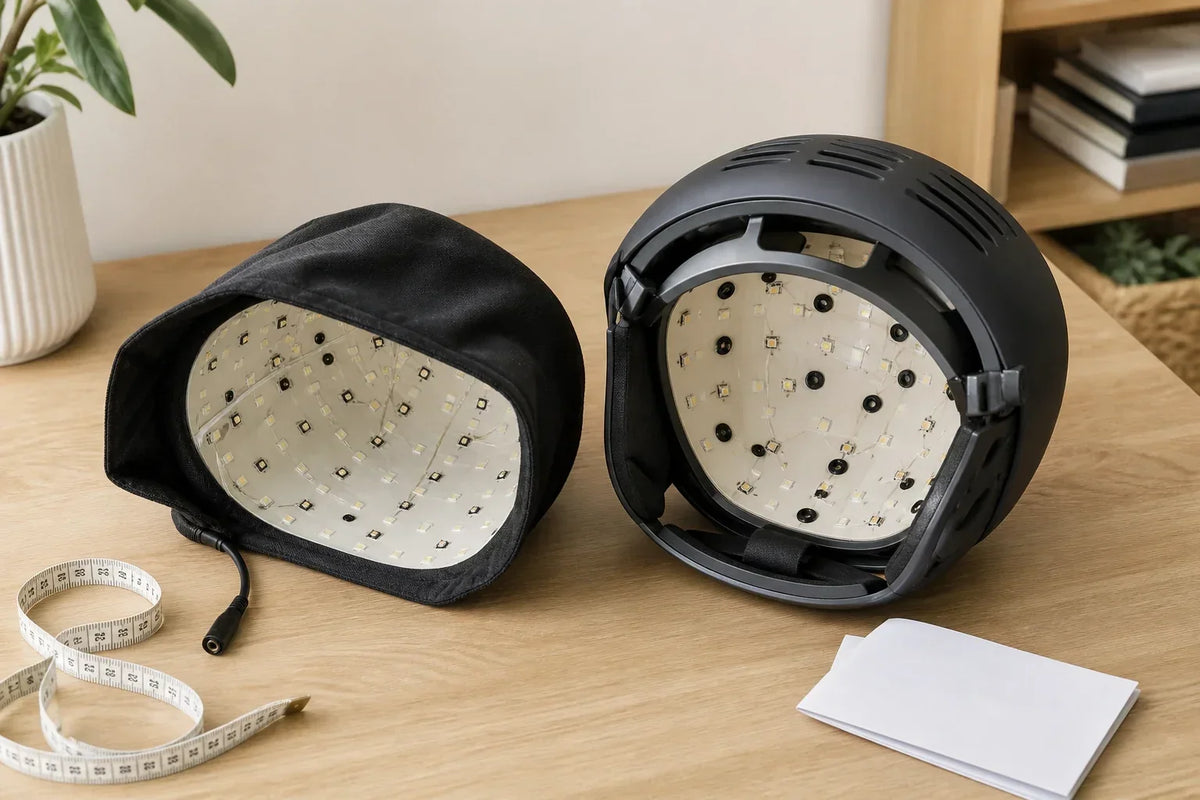
If your main interest is hair growth appearance and scalp coverage, a cap or helmet-style device may feel more targeted than a large body panel. It sits close to the scalp and is designed around hair routines.
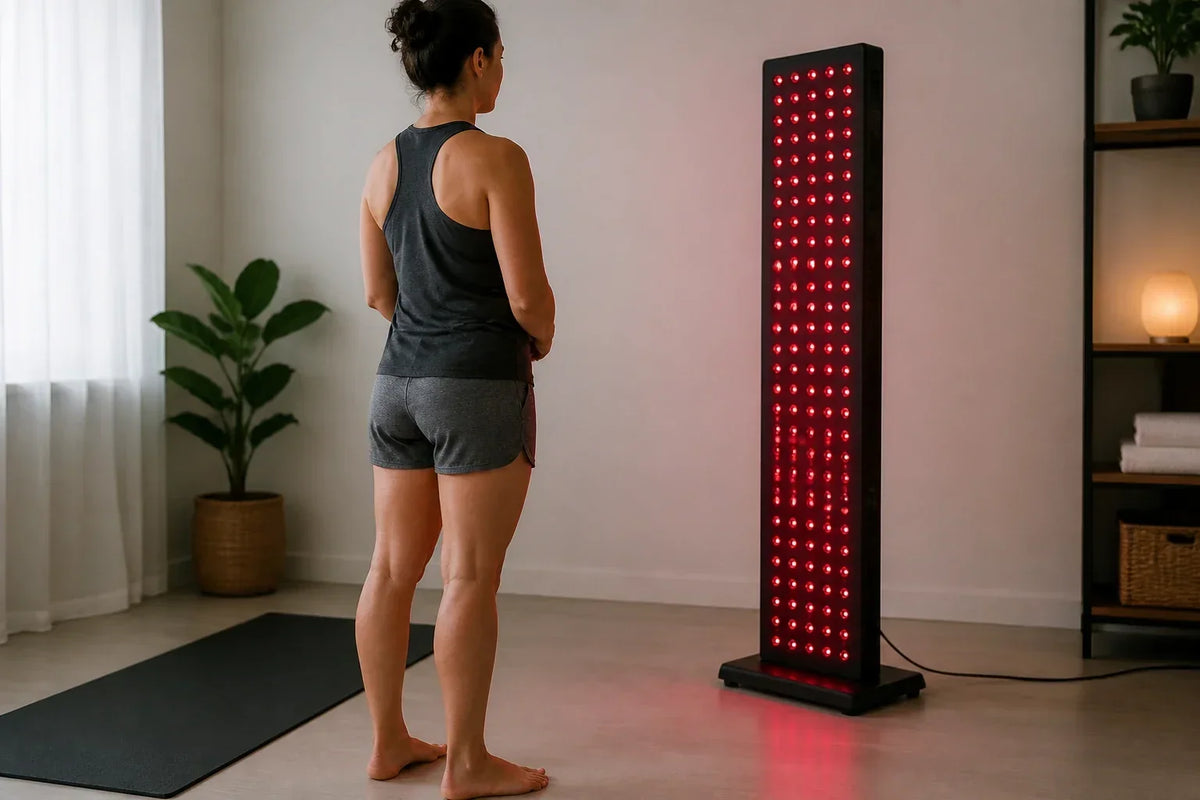
A panel can still be useful for general red light routines, but hair is tricky. Hair can block light. Distance can reduce intensity. Angles matter. A device designed specifically for the scalp may be easier to use consistently.
| Device Type | Common Wavelength Focus | Best Fit | My Practical Note |
|---|---|---|---|
| Laser cap | Often around 650nm or 655nm | Users who want scalp-focused coverage | More targeted, but check comfort and fit. |
| LED helmet | Often red light around 630nm-660nm | Users who want hands-free scalp use | Good if the device sits well and instructions are clear. |
| Handheld comb | Often red laser or LED range | Users willing to move the device manually | Can be less convenient if you are not consistent. |
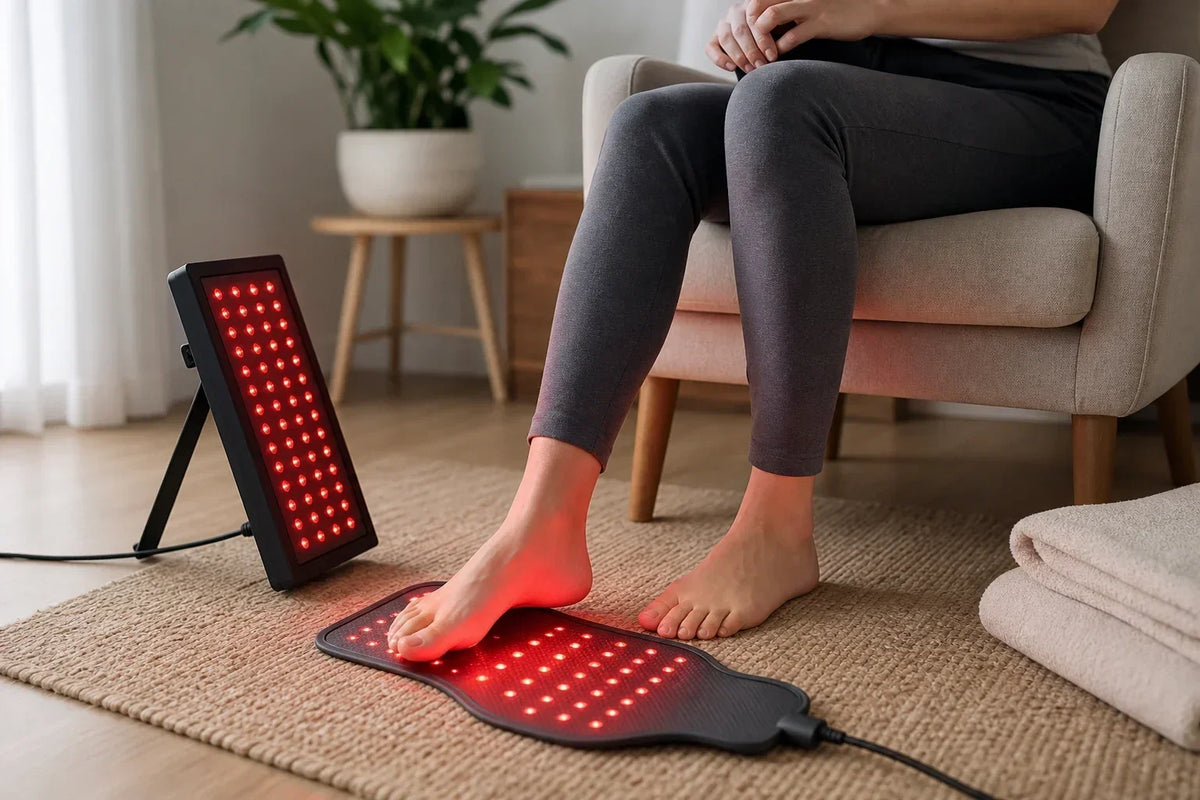
| Large body panel | Often 660nm and 850nm | General red light users | Useful category, but not always the most targeted hair option. |
| Face mask | Usually designed for face skincare | Facial routine users | Not the right device if your goal is scalp coverage. |
Does FDA Clearance Matter?
For hair-focused light devices, FDA-cleared language can matter because many consumer hair devices use that as a trust signal. But I would be careful with the wording. FDA-cleared does not mean guaranteed results. It also does not mean every user will respond the same way.
A systematic review and meta-analysis of randomized controlled trials discussed FDA-approved or FDA-cleared low-level light therapy devices for pattern hair loss and noted that device designs and evidence vary. You can review it here: NIH/PMC systematic review on low-level light therapy devices.
FTC health product guidance also reminds businesses that health-related claims should be truthful, not misleading, and supported by reliable evidence. You can review it here: FTC Health Products Compliance Guidance.
My buying rule is simple: FDA-cleared is a plus, but it is not the only thing. I would still check wavelength, use schedule, fit, refund policy, warranty, and whether the company explains expectations honestly.
Who Should Be Careful Before Using Red Light for Hair?
Hair shedding can happen for many reasons: genetics, stress, postpartum changes, nutrition issues, scalp irritation, medication changes, or other personal factors. A red light device may not be the right first step for every person.
The American Academy of Dermatology notes that dermatologists can evaluate hair loss and help identify possible causes. You can review their red light therapy safety guide here: American Academy of Dermatology red light therapy safety overview.
In my view, the safer answer is this: if hair loss is sudden, patchy, intense, or emotionally worrying, talk to a dermatologist before buying a device. If the change is gradual and you are comparing home devices, then wavelength and routine become more relevant.
| Situation | What I Would Do | Why It Matters |
|---|---|---|
| Gradual thinning over time | Compare scalp-focused devices and consider professional advice | Pattern and cause matter. |
| Sudden shedding | Speak with a dermatologist first | The cause may not be a device problem. |
| Patchy hair loss | Get professional evaluation | Do not self-diagnose from a product page. |
| Scalp discomfort | Pause and ask a qualified professional | Comfort and skin condition matter. |
| Using photosensitive medication | Ask a qualified professional before using light devices | Light sensitivity can change safety needs. |
How Often Should You Use Red Light for Hair?
The best schedule depends on the device. Many hair caps and helmets are designed for repeated weekly use over months, not a single intense session.
I would not make up my own timing. I would follow the device manual exactly for the first few months. If a device says 10 minutes, do 10 minutes. If it says every other day, do not assume twice a day is better.
For hair-focused routines, the boring part is the important part: consistency. A device that sits in a drawer will not help your routine, even if the wavelength looks perfect.
What I Would Actually Check Before Buying
If I were comparing devices for this keyword, I would not start with the prettiest product photo. I would open the spec section first.
The part I would pay attention to is whether the product clearly answers a few basic questions: What wavelength does it use? Is it designed for the scalp? How often should I use it? Does it give eye-safety guidance? Is the evidence language careful or exaggerated?
| Buying Check | Good Sign | Warning Sign |
|---|---|---|
| Wavelength | Clearly lists 630nm-660nm red light or similar scalp-focused wavelength | Only says “powerful red light” with no number |
| Scalp design | Cap, helmet, comb, or device designed for hair use | Generic lamp with no scalp instructions |
| Routine guidance | Clear session time and frequency | Vague “use whenever” language |
| Safety notes | Explains eye comfort, photosensitivity, and use limits | No safety section at all |
| Claims | Careful language about appearance, consistency, and individual variation | Promises fast or guaranteed results |
| Support | Warranty, returns, and customer support are clear | No realistic support for a high-priced device |
Common Mistakes With Hair Growth Wavelengths
The first mistake is obsessing over 650nm vs 660nm while ignoring device design. A 10nm difference is not the whole story.
The second mistake is choosing a body panel and expecting it to behave like a scalp cap. The third mistake is using the device inconsistently and then blaming the wavelength.
From an editor’s point of view, what often gets missed is the everyday routine. Can you wear the device while reading? Does it fit your head? Is it comfortable? Will you actually use it for months? These questions are not exciting, but they decide whether the device becomes part of your life.
| Mistake | Why It Happens | Better Move |
|---|---|---|
| Chasing only one wavelength | 650nm gets repeated online | Check wavelength plus design, fit, and routine. |
| Assuming 850nm is better | People hear “deeper” and think it means stronger | For hair, red light around 630nm-660nm is often more central. |
| Using a panel too far away | Panels feel convenient | Follow distance guidance and consider scalp-specific devices. |
| Expecting quick changes | Product pages can create impatience | Think in months, not days. |
| Ignoring the cause of hair loss | The device feels like a simple answer | Ask a dermatologist if hair loss is sudden or unusual. |
My Practical View
My personal take is simple: if your question is “what wavelength of red light is best for hair growth,” I would start with the red-light range around 630nm-660nm, with 650nm as the most recognizable number in this category.
But I would not stop there. I would check whether the device is actually made for the scalp. I would check whether the instructions are clear. I would check whether the claims sound honest. And I would ask whether I could realistically use it several times a week for months.
If I were helping a friend choose, I would say this: do not buy a vague “red light” product for hair. Buy a clearly labeled scalp device with a red-light wavelength, sensible instructions, and careful claims. The best wavelength is only useful when the whole routine makes sense.
References
- NIH/PMC: Hair Growth Promoting Effects of 650nm Red Light
- NIH/PMC: Role of Low-Level Light Therapy in Androgenetic Alopecia
- NIH/PMC: Photobiomodulation for the Management of Alopecia
- NIH/PMC: Systematic Review of Low-Level Light Therapy Devices
- American Academy of Dermatology: Red Light Therapy Safety Overview
- FTC: Health Products Compliance Guidance
FAQ
What wavelength of red light is best for hair growth?
Most hair-focused red light devices and studies center around the 630nm-660nm range, with 650nm appearing often in research and consumer hair devices.
Is 650nm or 660nm better for hair growth?
They are very close red-light wavelengths. I would not choose based only on 650nm vs 660nm. Device design, scalp coverage, fit, instructions, and consistency matter too.
Is 850nm good for hair growth?
850nm is near-infrared light and is common in full-body red light panels. For scalp-focused hair devices, red light around 630nm-660nm is usually the more central wavelength range to check first.
Do red light panels work the same as laser caps for hair?
Not exactly. A laser cap or helmet is usually designed to sit close to the scalp, while a panel may sit farther away and may be more affected by hair coverage and angle.
How often should I use red light for hair?
Follow the specific device manual. Many hair-focused devices are designed for repeated weekly use over several months, not occasional long sessions.
Should I ask a dermatologist before using red light for hair?
If hair loss is sudden, patchy, intense, or unusual, it is smart to ask a dermatologist before buying a device. The cause of hair loss matters.