Red light therapy eye protection guide: learn when to wear goggles, whether closed eyes are enough, NIR safety, 10 vs 20 minute sessions, and warning signs.
Editorial Review: This article was written for consumer education about red light therapy eye protection, LED masks, near-infrared panels, home light devices, and practical eye safety. It references public resources from the American Academy of Ophthalmology, American Academy of Dermatology, Harvard Health, Cleveland Clinic, NIH/PMC, FDA, and FTC. It is not medical advice and does not replace guidance from an eye care professional.
If you searched red light therapy eye protection, the practical answer is this: wear protective goggles or eye shields whenever a red light therapy device is close to your face, uses bright LEDs, includes near-infrared light, or the manufacturer recommends eye protection. Closing your eyes may be enough for some low-intensity, indirect body sessions, but it should not be treated as a universal safety rule.

My personal take is simple: your eyes are not the place to experiment. Red light therapy may be low-risk when used correctly, but bright visible red light and invisible near-infrared light still deserve respect, especially with face masks, panels, booths, and handheld devices used close to the eyes.
For most home users, the easiest safe routine is: use the device as directed, keep sessions controlled, avoid staring into LEDs, use goggles near the face, and stop if your eyes feel strained, dry, irritated, or unusually sensitive after a session.
Quick Q&A: What Most People Want to Know First
| Question | Short Answer | My Practical Note |
|---|---|---|
| Do you need eye protection for red light therapy? | Usually yes for face masks, bright panels, near-infrared modes, and close-range sessions. | I would use goggles anytime the device is near the eyes or feels bright. |
| Can I just close my eyes during red light therapy? | Sometimes, for low-intensity indirect sessions. But closed eyelids are not the same as proper protective goggles. | If the device manual says to wear eye protection, closing your eyes is not a substitute. |
| Are sunglasses enough for red light therapy? | Usually not the best choice. Regular sunglasses are not designed for red/NIR therapy wavelengths. | I would use device-provided goggles or wavelength-rated protective eyewear instead. |
| Is near-infrared light more concerning for eyes? | It can be, because near-infrared is less visible or invisible, so brightness is not a reliable warning sign. | This is where many home users get careless because they judge safety by what they can see. |
| How long should face sessions be? | Many home devices use short sessions, often around 10 to 20 minutes, but the manual comes first. | Do not extend a 10-minute session to 30 minutes just because the light feels gentle. |
| When should I stop a session? | Stop if you notice eye strain, headache, afterimages, unusual dryness, discomfort, or sensitivity. | I would rather reduce a routine early than push through eye symptoms. |
Why Eye Protection Matters with Red Light Therapy
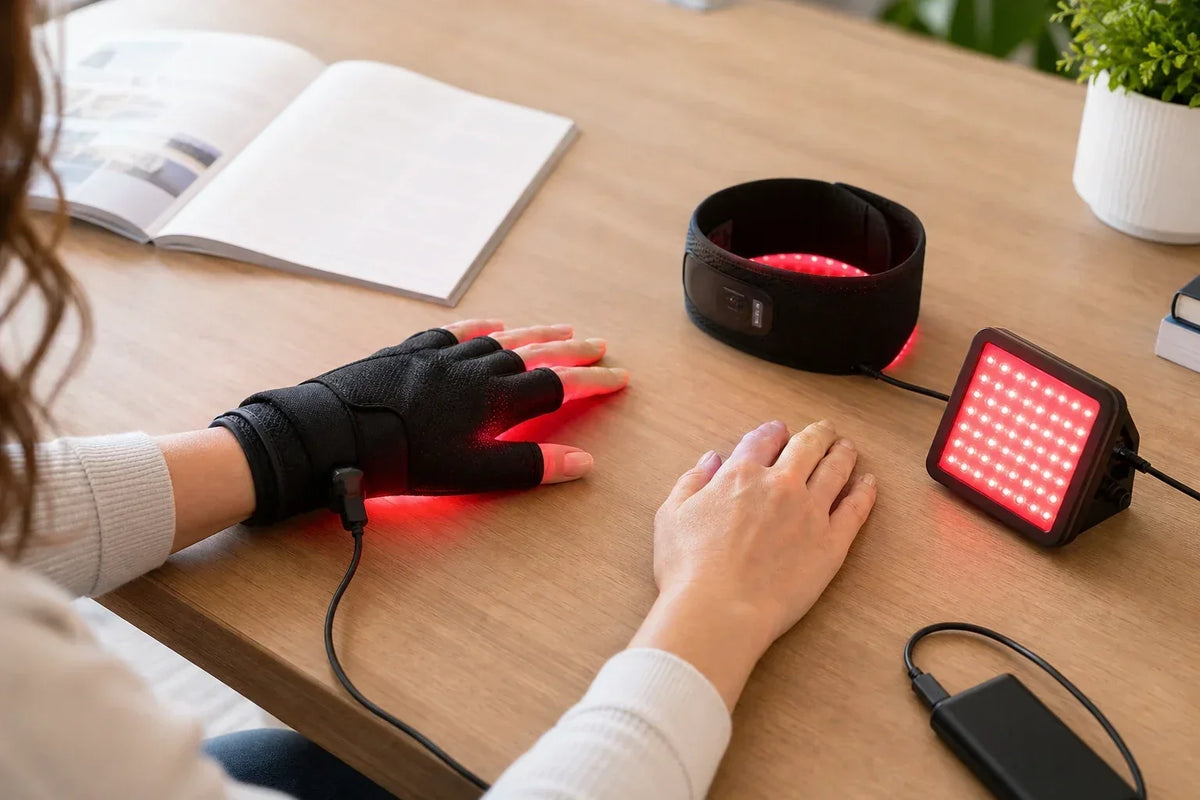
Red light therapy devices are used for skin, hair, wellness, and body routines. Many consumer devices use visible red light, near-infrared light, or both. The issue is not that every red light device is automatically dangerous. The issue is that eye exposure depends on device type, brightness, distance, angle, wavelength, power, and session time.
The American Academy of Dermatology says people using red light therapy should follow the device directions and use eye protection when recommended. You can review its public guidance here: American Academy of Dermatology red light therapy safety guidance.
Harvard Health also notes that red light therapy devices may use red or near-infrared light and advises avoiding use in certain photosensitive situations and wearing eye protection when device directions call for it. You can review its overview here: Harvard Health red light therapy guidance.
Here’s the practical way I’d look at it: if the device is pointed at your face, sits close to your eyes, uses near-infrared, or feels visually intense, eye protection should be part of the routine, not an optional accessory.
Goggles vs Eyes Closed vs Sunglasses
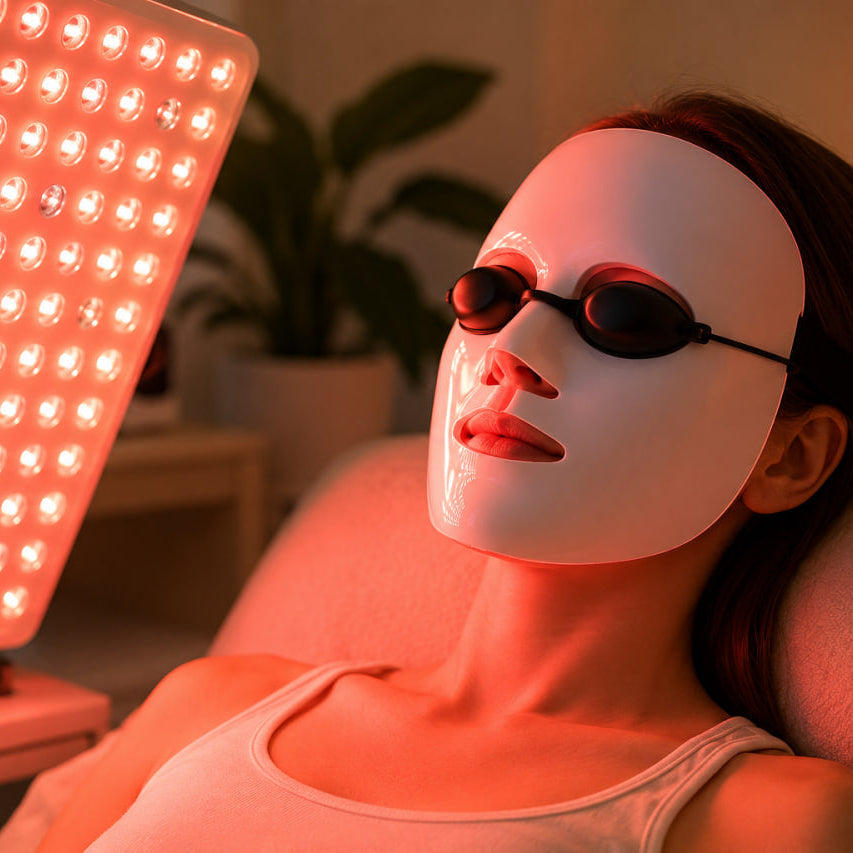
A common search question is whether you can simply close your eyes during red light therapy. The answer depends on the device. Closed eyes may reduce visible brightness, but they do not turn your eyelids into tested protective eyewear.
Regular sunglasses are also not ideal. Sunglasses are usually designed for outdoor visible light and UV protection, not necessarily for red and near-infrared therapy wavelengths. Some may reduce brightness, but that does not mean they are properly rated for your device.
| Eye Protection Method | Best Use Case | Strength | Limitation |
|---|---|---|---|
| Device-provided goggles | Panels, face devices, booths, close-range sessions | Designed for the device’s use instructions | Fit and comfort vary by product |
| Opaque eye shields | LED masks and facial routines | Blocks direct visible brightness well | May not fit every face shape or mask design |
| Wavelength-rated goggles | Higher-output red/NIR or laser-style devices | Can be selected for specific wavelength ranges | Requires checking product specifications carefully |
| Eyes closed | Low-intensity, indirect, non-face sessions | Simple and comfortable | Not a substitute when goggles are recommended |
| Regular sunglasses | Not ideal as primary protection | May reduce brightness | Usually not designed for therapy wavelengths |
When You Should Definitely Wear Eye Protection
Some red light therapy situations are more eye-sensitive than others. If you are using a full-body panel at a distance and the light is aimed below the neck, your eye exposure is different from using a face mask with LEDs around the orbital area.
The American Academy of Ophthalmology has discussed red light and near-infrared eye research, while warning that eye-directed use has not been well studied enough for people to casually experiment at home. You can review its public article here: American Academy of Ophthalmology red light eye health article.
In my view, the safer answer is to use protection earlier than you think you need it. If the session involves your face or eyes, goggles are a small inconvenience compared with guessing wrong.
| Situation | Eye Protection Recommendation | Reason |
|---|---|---|
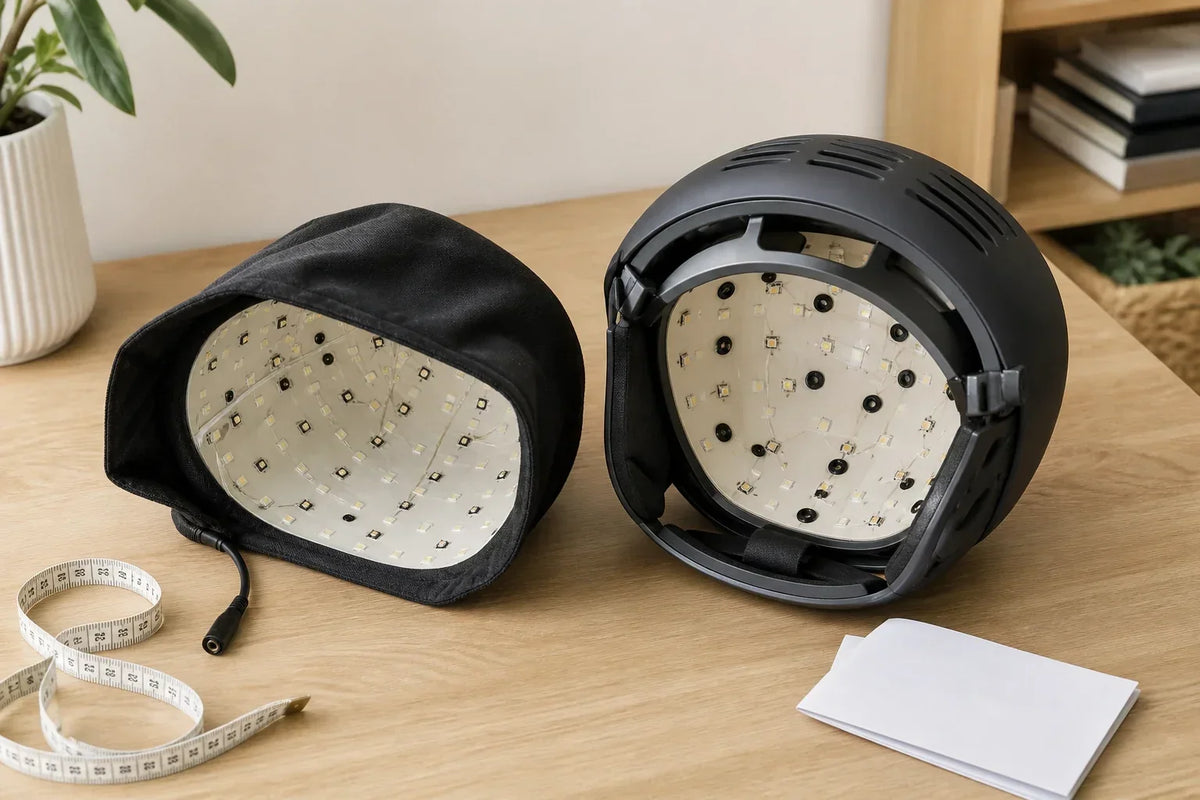
| LED face mask | Use built-in shields or goggles if recommended | LEDs sit close to the eyes |
| Panel aimed at face | Use goggles | Direct brightness and NIR exposure are more relevant |
| Near-infrared mode near face | Use wavelength-appropriate protection | NIR may be invisible, so brightness is not a warning |
| Red light booth | Use provided eye protection | Large-area exposure surrounds the user |
| Handheld device near temples or under eyes | Use eye protection and avoid aiming at eyes | Small devices can be mis-aimed easily |
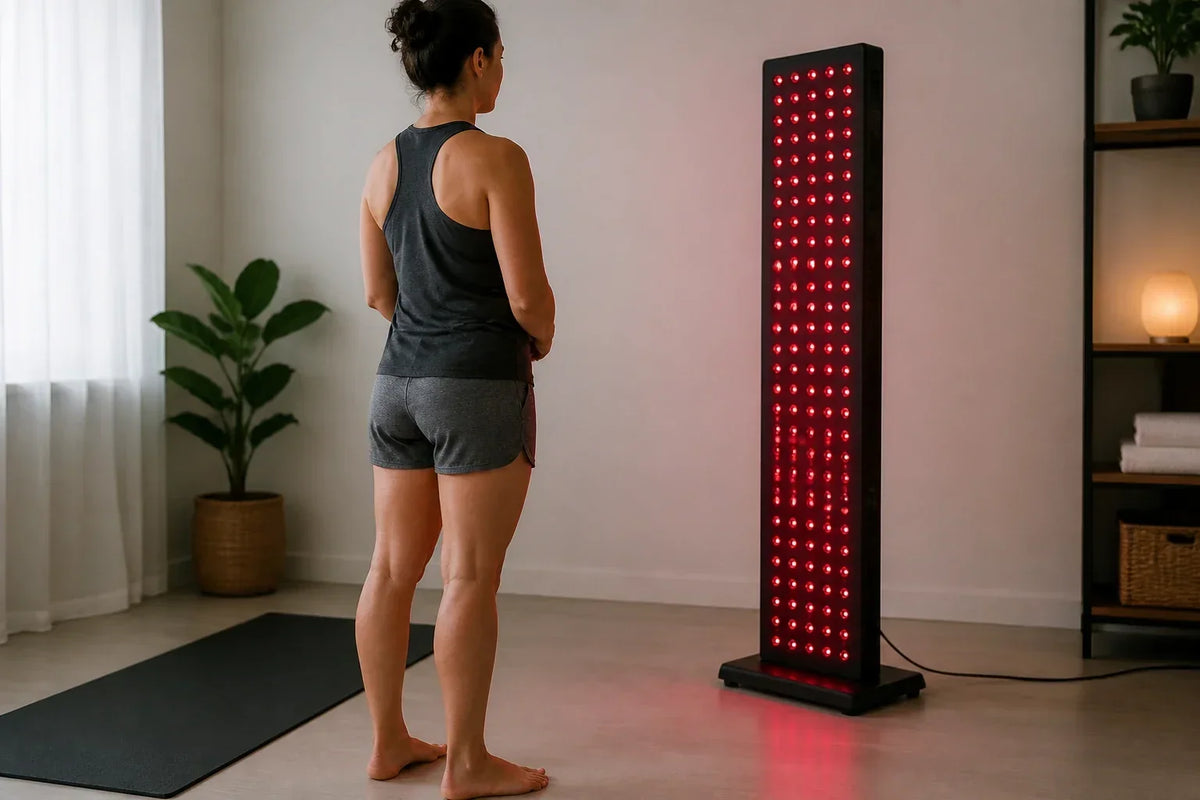
| Body panel aimed below neck | Still avoid staring; goggles may be useful if light is bright | Reflected light and glare can still bother sensitive eyes |
10 vs 20 Minutes: How Session Time Changes Eye Safety
Session length matters because eye exposure is not only about wavelength. Time, distance, angle, and intensity all add up. A 10-minute face session with a bright panel close to your eyes is not the same as a 10-minute body session where the device is aimed away from your face.
Cleveland Clinic notes that LED light therapy should be used as directed and that home devices are generally less powerful than professional devices. You can review its LED light therapy overview here: Cleveland Clinic LED light therapy overview.
The part I would pay attention to is the timer. Do not turn a short session into a long one because you think your eyes feel fine in the moment. Eye strain and visual discomfort can show up after the session, especially when bright light is involved.
| Session Length | Practical Use | Eye Protection Note | My Practical Read |
|---|---|---|---|
| 3–5 minutes | Testing sensitivity with a new face device | Still use protection if device is near eyes | Good for cautious first use |
| 10 minutes | Common short home session | Use goggles for face or direct panel exposure | A sensible starting point for many users |
| 15 minutes | Moderate session if manual supports it | More reason to protect eyes near the face | Do not increase time without stable tolerance |
| 20 minutes | Upper range for some home routines | Eye protection becomes more important with bright devices | Should never feel visually harsh |
| 30+ minutes | Usually unnecessary unless the device protocol says so | Higher chance of eye strain or irritation | This is where I would be careful |
Red Light vs Near-Infrared: Why NIR Changes the Eye Protection Question
Visible red light is bright, so your eyes naturally recognize it. Near-infrared light is different. Many NIR wavelengths are not visible or are only faintly visible, so you cannot judge exposure by brightness alone.
A review of near-infrared light therapy in eye diseases discusses research use of red and near-infrared wavelengths in controlled settings. That does not mean consumer users should point home devices at their eyes. Controlled clinical research and casual home exposure are different situations. You can review the NIH/PMC paper here: NIH/PMC near-infrared light therapy of eye diseases review.
This is where many home users get confused. They assume invisible light is weaker because they cannot see it. That is not a safe assumption. With NIR, use the device manual, not your visual impression.
| Light Type | Common Range | Visibility | Eye Protection Implication |
|---|---|---|---|
| Visible red light | About 630–660nm | Visible and bright | Avoid staring and use goggles near face |
| Near-infrared light | About 810–850nm in many panels | Less visible or invisible | Use protection because brightness is not a reliable cue |
| Red + NIR combined | Often 660nm + 850nm | Red visible, NIR less visible | Follow the stricter protection approach near eyes |
| Laser-based PBM | Varies by device | Can be focused | Requires more careful eyewear and instructions |
How to Choose Red Light Therapy Eye Protection
The best red light therapy eye protection is not just the darkest-looking pair of glasses. It should match the device type, wavelength range, and use case. A face mask, body panel, NIR panel, and laser-style device may require different protection.
If I were buying eye protection for a home red light setup, I would start with the device manual. If goggles came with the product, I would use those first. If I needed replacements, I would look for wavelength information rather than generic “red light glasses” language.
| Buying Factor | What to Look For | Red Flag |
|---|---|---|
| Wavelength coverage | Eyewear designed for red and/or NIR ranges used by your device | No wavelength information listed |
| Fit | Comfortable seal or coverage around the eyes | Large gaps that allow direct light around the sides |
| Opacity | Opaque shields for masks or strong visible-light reduction for panels | Clear fashion lenses marketed as therapy goggles |
| Device match | Goggles recommended by the device brand or manual | Random sunglasses used as a substitute |
| Comfort | Wearable for the full 10–20 minute session | Uncomfortable goggles you remove mid-session |
| Use warning | Clear safety instructions and limitations | Claims that eye protection is never needed |
A Simple Safe Setup for Home Red Light Therapy
A good home setup should feel controlled and repeatable. You should not be guessing distance, timing, angle, or whether your eyes are protected.
Here is a practical routine for face or upper-body sessions. This is not a medical protocol. It is a cautious consumer setup for people using home wellness devices.
- Read the device manual before your first session.
- Check whether your device uses red light only, near-infrared, or both.
- Put on the recommended goggles or eye shields before turning on the device near your face.
- Set the timer before starting; do not rely on memory.
- Keep the recommended distance from panels.
- Avoid looking directly into LEDs, even with protection.
- Stop if your eyes feel strained, irritated, dry, or uncomfortable.
- Track your routine for one week before increasing time or frequency.
Who Should Be Extra Careful?
Some users should be more cautious with red light therapy eye protection. This includes people with existing eye conditions, eye surgery history, strong light sensitivity, migraine triggered by bright light, children, and people taking medications that may increase light sensitivity.
The American Academy of Ophthalmology advises caution around eye-directed red light use, noting that the practice has not been well studied enough for broad at-home experimentation. If you have a known eye condition, I would ask an eye care professional before using bright red or near-infrared devices near your face.
| User Situation | Why Caution Matters | Practical Move |
|---|---|---|
| Existing eye condition | Light tolerance may differ | Ask an eye care professional first |
| Recent eye surgery | Healing eyes may be more sensitive | Avoid face exposure unless cleared by a professional |
| Photosensitive medication use | Some medications can increase light sensitivity | Check with a clinician or pharmacist |
| Children or teens | They may not report symptoms clearly | Do not use eye-directed home light devices casually |
| Migraine triggered by light | Bright devices may provoke discomfort | Start cautiously or avoid face exposure |
Common Eye Protection Mistakes
Most problems come from treating eye protection as an afterthought. A user buys a strong panel, stands close, turns on red and NIR modes, closes their eyes, and assumes that is enough.
The FTC’s health product guidance reminds businesses that health-related claims should be truthful, not misleading, and supported by reliable evidence. You can review the guidance here: FTC Health Products Compliance Guidance.
| Mistake | Why It Matters | Better Move |
|---|---|---|
| Using sunglasses instead of therapy goggles | Sunglasses may not match red/NIR wavelengths | Use device-recommended or wavelength-rated protection |
| Closing eyes during direct face exposure | Eyelids are not tested safety eyewear | Use eye shields or goggles near the face |
| Staring into LEDs to “check if it works” | Direct glare can irritate eyes | Turn away before powering on |
| Ignoring near-infrared mode | NIR may be invisible or dim-looking | Treat NIR as a reason for more caution, not less |
| Extending sessions too long | More exposure is not automatically better | Use 10–20 minutes only if the manual supports it |
| Using a device despite eye symptoms | Discomfort is useful feedback | Stop, reduce exposure, and seek professional advice if symptoms continue |
My Practical View
My personal take is simple: red light therapy eye protection should be treated like the timer. It is part of the setup, not an optional extra you remember halfway through.
If I were helping a friend set up a home red light panel, I would tell them to put the goggles beside the device, not in a drawer. The moment the device is used near the face, goggles go on first, timer gets set second, and the light turns on third.
What often gets missed is the difference between skin exposure and eye exposure. A device may be intended for skin, but your eyes may still receive glare, reflection, or direct light if the device is aimed poorly.
I would not overthink luxury eyewear if the device already includes proper shields. The part I would pay attention to is matching protection to the device: red only, red + NIR, face mask, body panel, booth, or laser-style tool. That match matters more than the brand name on the goggles.
In my view, the safest home routine is boring: follow the manual, use goggles near the face, avoid staring into LEDs, keep sessions short, and take eye symptoms seriously.
References
- American Academy of Ophthalmology: Does Red Light Protect Aging Eyes?
- American Academy of Dermatology: Red Light Therapy Safety
- Harvard Health: Red Light Therapy for Skin Care
- Cleveland Clinic: LED Light Therapy
- NIH/PMC: Near Infrared Light Therapy of Eye Diseases
- NIH/PMC: Photobiomodulation in Ocular Therapy
- FDA: General Wellness Policy for Low Risk Devices
- FTC: Health Products Compliance Guidance
FAQ
Do you need eye protection for red light therapy?
Yes, eye protection is recommended whenever a red light therapy device is close to the face, uses bright LEDs, includes near-infrared light, or the device instructions call for goggles or shields.
Can I close my eyes during red light therapy instead of wearing goggles?
Closing your eyes may reduce visible brightness during some low-intensity indirect sessions, but it is not the same as proper eye protection. If your device recommends goggles, use goggles.
Are sunglasses enough for red light therapy eye protection?
Regular sunglasses are usually not ideal because they are not designed for red or near-infrared therapy wavelengths. Use device-provided goggles or eyewear matched to the device’s wavelength range.
Is near-infrared red light therapy risky for eyes?
Near-infrared light deserves extra caution because it can be less visible or invisible, so brightness is not a reliable warning sign. Use eye protection when NIR is used near the face.
How long can I use red light therapy near my face?
Many home sessions are around 10 to 20 minutes, but the correct time depends on the device. Follow the manual, use eye protection, and avoid extending sessions to chase faster results.
What eye symptoms mean I should stop red light therapy?
Stop if you notice eye strain, headache, unusual dryness, irritation, lingering afterimages, light sensitivity, or any vision changes. Seek professional advice if symptoms continue.
Can red light therapy be used directly for eyes?
Eye-directed red light or photobiomodulation belongs in controlled research or professional settings. Home wellness devices should not be aimed into the eyes unless specifically designed and professionally guided for that purpose.