Photobiomodulation machine guide: compare PBM devices, LED vs laser, home vs clinic setups, wavelengths, safety, FDA terms, and buying specs.
Editorial Review: This article was created with reference to public photobiomodulation, red light therapy, low-level light therapy, and device guidance resources, including FDA, NIH/PMC, PubMed, and consumer wellness claim guidance. It is written for consumer education and device comparison, not medical advice.
If you searched photobiomodulation machine, you are probably trying to answer a practical question: what kind of machine is this, is it the same as a red light therapy device, should you choose LED or laser, and can a home device do anything close to a clinic setup?

The short answer is this: a photobiomodulation machine is a device that uses specific wavelengths of red or near-infrared light, often through LEDs or lasers, to deliver controlled light exposure to the body. In everyday shopping language, many people also call these red light therapy devices, low-level light therapy devices, cold laser devices, LED therapy panels, or PBM devices.
My personal take is simple: the name sounds more technical than the basic shopping question. The real question is not “Is it called photobiomodulation?” The real question is “Does this device clearly explain its wavelengths, power, treatment area, session time, eye safety, and intended use?”
Quick Q&A: What Most People Want to Know First
| Question | Short Answer | My Practical Note |
|---|---|---|
| What is a photobiomodulation machine? | It is a light-based device that uses red or near-infrared wavelengths through LEDs or lasers. | I would treat “PBM machine” as the technical version of red light or low-level light therapy equipment. |
| Is photobiomodulation the same as red light therapy? | They overlap, but PBM is the broader technical term. Red light therapy is the more consumer-friendly term. | Many home red light panels are marketed as PBM-style devices, but specs still matter. |
| Is LED or laser better for photobiomodulation? | Both can be used. Lasers are more focused; LEDs often cover larger areas. | For home users, coverage and ease of use often matter more than the word “laser.” |
| Can you buy a photobiomodulation machine for home use? | Yes, home PBM-style LED panels and handheld devices exist, but they vary widely in design and output. | I would not buy one without clear wavelength, timing, and safety instructions. |
| What wavelengths should I look for? | Many PBM and red light devices use red light around 630–660nm and near-infrared around 810–850nm. | Do not choose only by color. Look for actual wavelength numbers. |
| Is a PBM machine FDA approved? | Some devices may be FDA-cleared for specific intended uses, while others are general wellness devices. | “FDA registered” and “FDA cleared” are not the same thing. |
What Is a Photobiomodulation Machine?
A photobiomodulation machine is a device designed to deliver controlled light exposure using certain wavelengths, most often red or near-infrared light. The term is often shortened to PBM machine or PBM device.
The FDA describes photobiomodulation devices as devices also known as low level light therapy devices. You can review the FDA draft guidance here: FDA photobiomodulation device guidance.
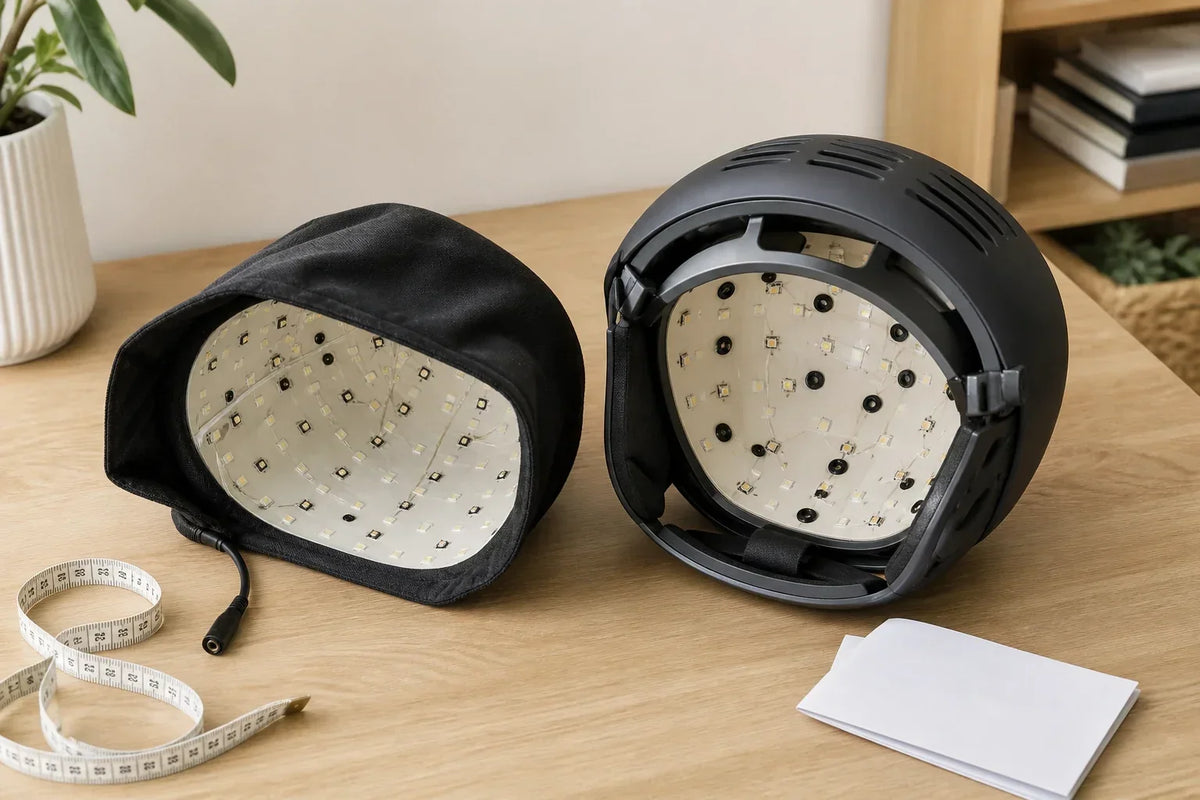
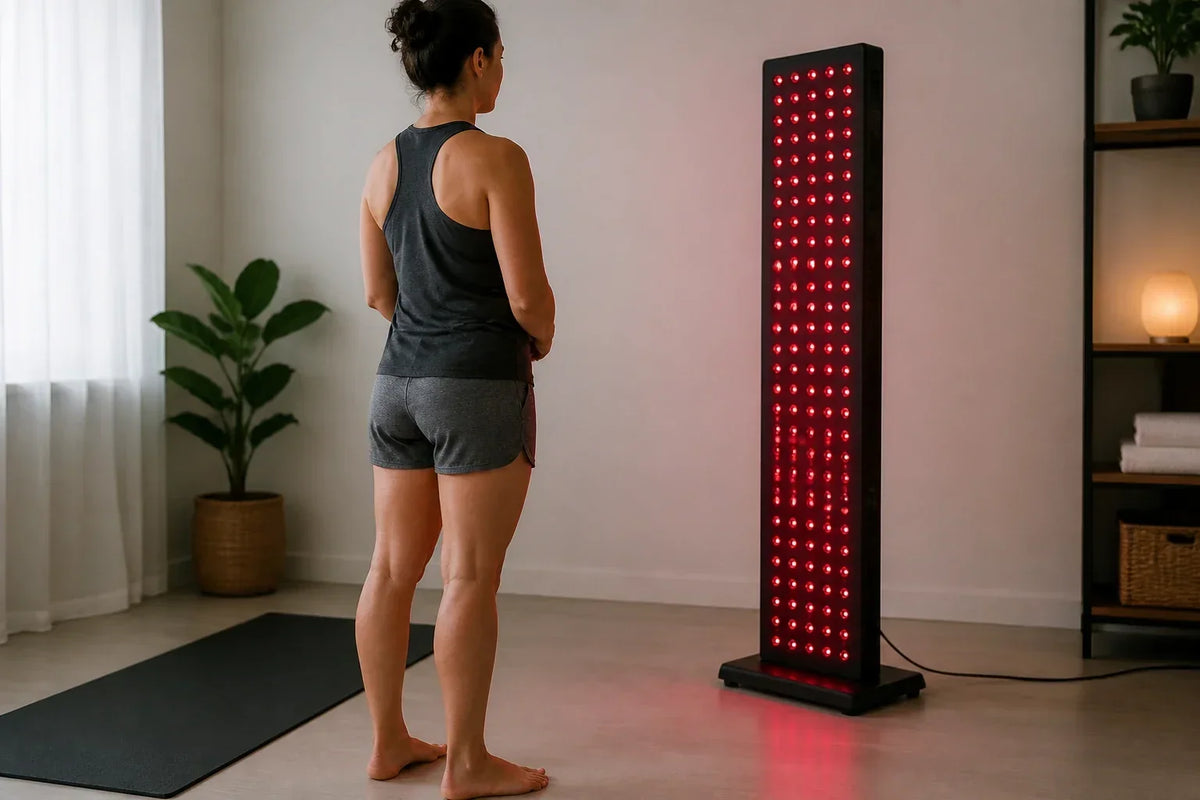
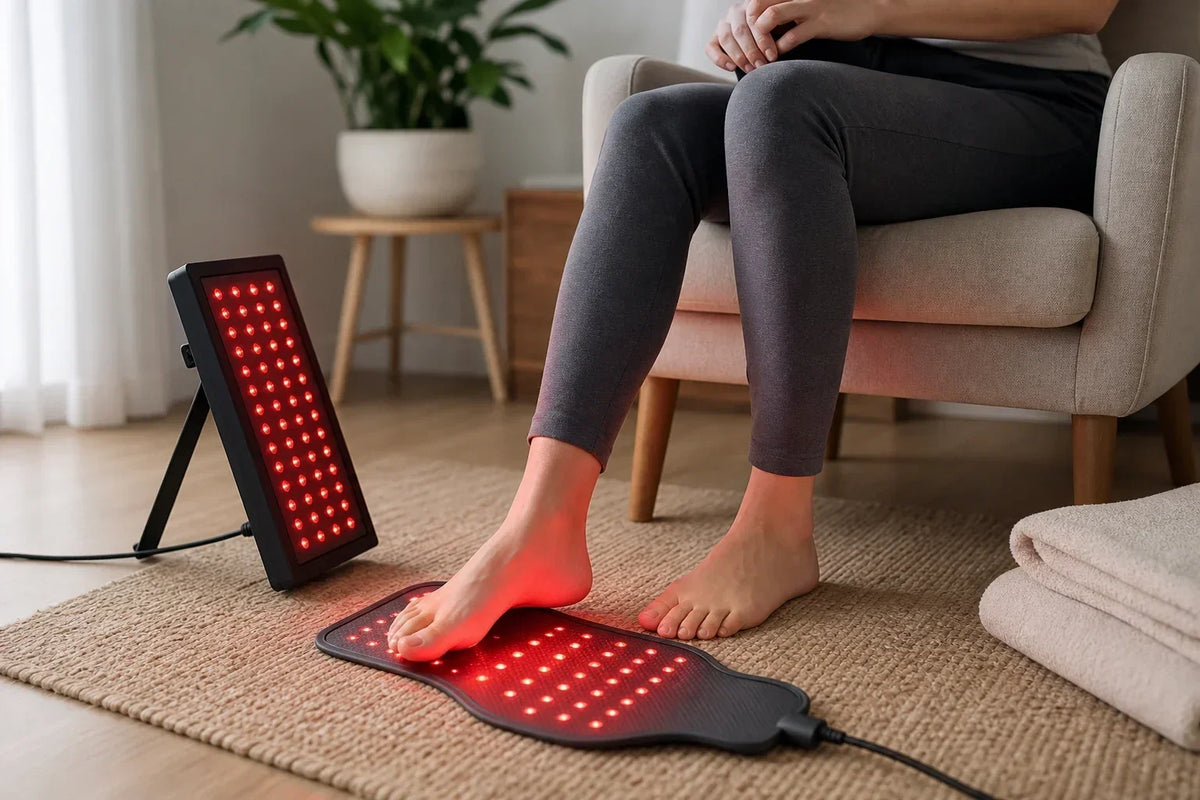
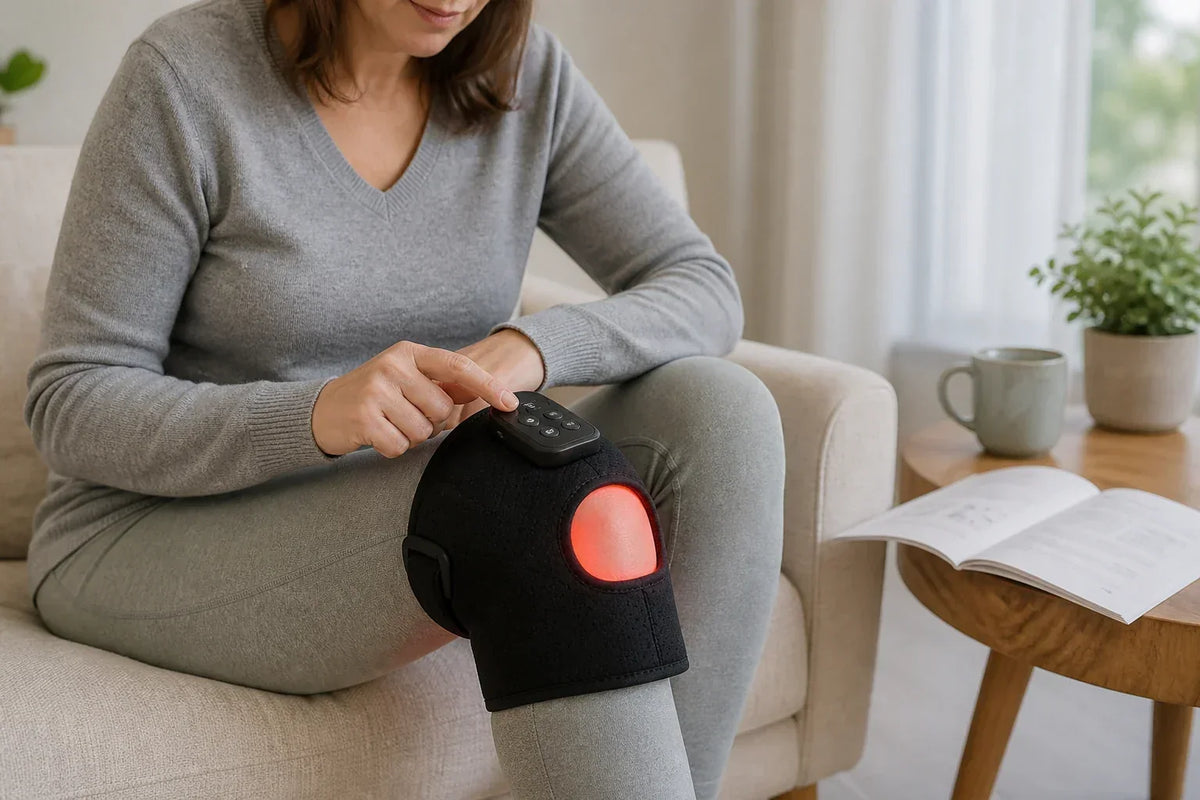
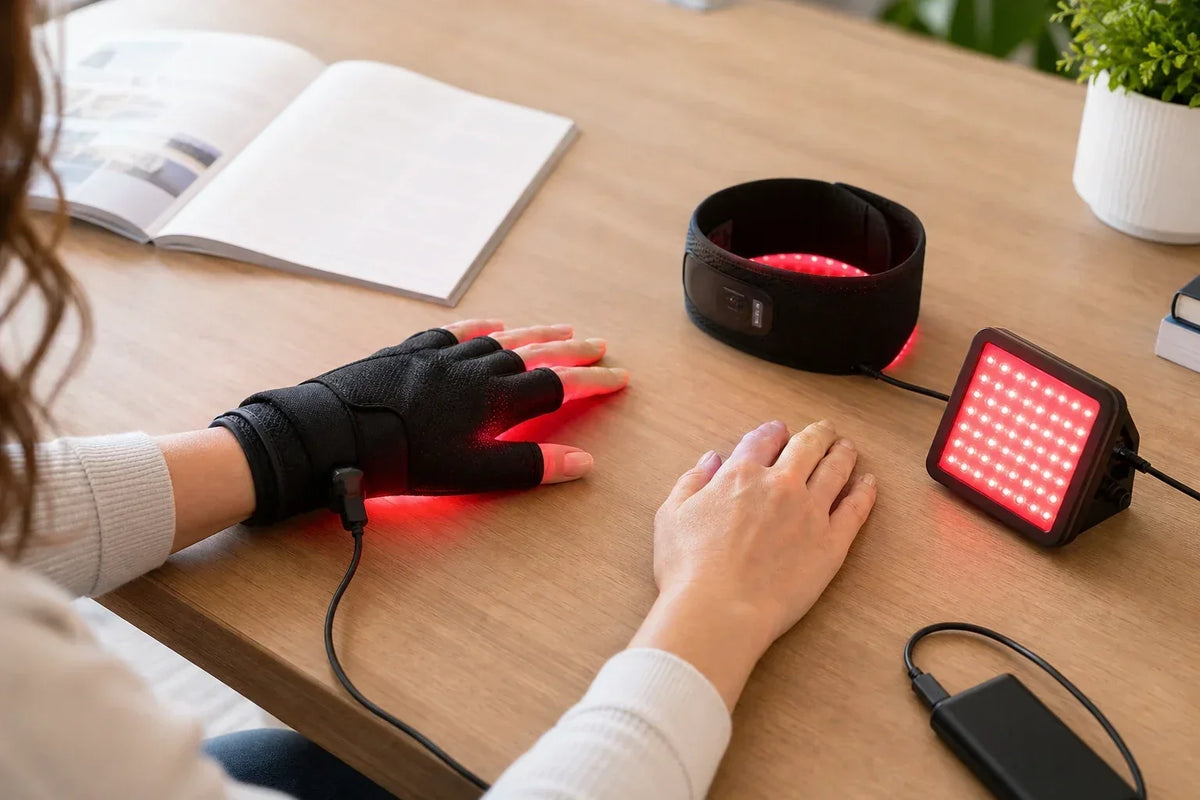
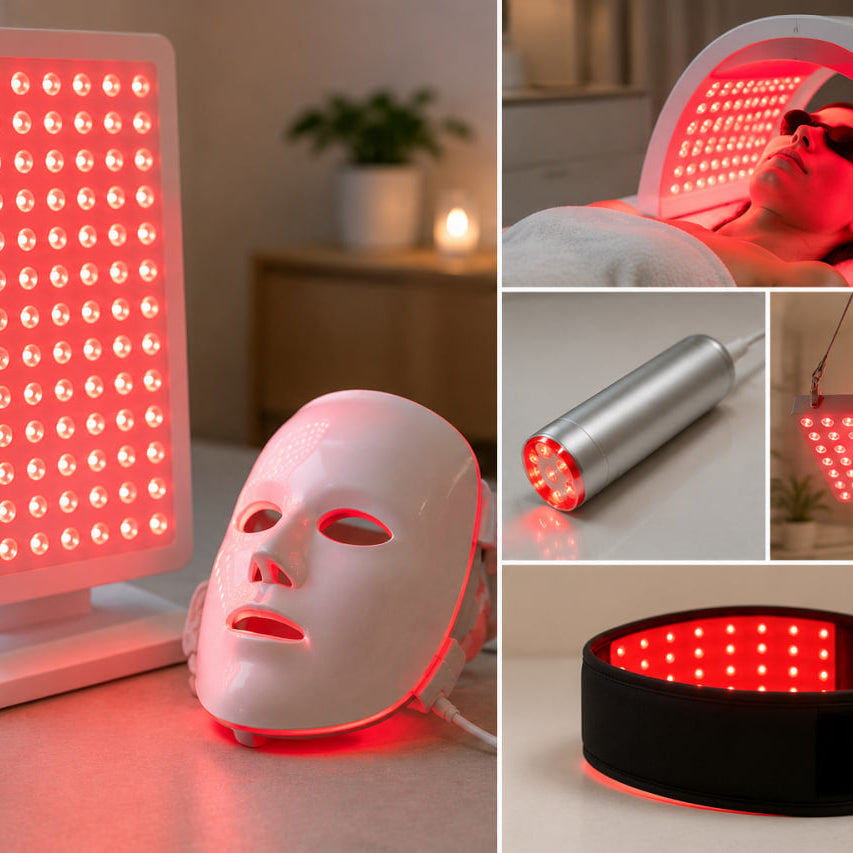
In plain English, a photobiomodulation machine may look like a red light panel, a handheld cold laser device, an LED face mask, a cap for hair, a clinic laser probe, or a full-body light bed. The shape changes, but the central idea is controlled light delivery.
This is where many home users get confused. The word “machine” makes it sound like one category, but PBM devices can look completely different depending on the purpose and setting.
| Common Name | Technical Connection | Typical User Understanding |
|---|---|---|
| Photobiomodulation machine | Technical category name | Often searched by users comparing serious devices. |
| PBM device | Short form of photobiomodulation device | Often used in research or clinical-style articles. |
| Red light therapy panel | Consumer-facing PBM-style device | Most familiar at-home version. |
| Low-level light therapy device | Another term used in device guidance and research | Often overlaps with PBM and LLLT. |
| Cold laser device | Laser-based PBM-style device | More focused beam, often used in professional or handheld formats. |
Photobiomodulation Machine vs Red Light Therapy Device
Photobiomodulation and red light therapy are closely related, but they are not always used in exactly the same way. Photobiomodulation is the more technical term used in research, device discussions, and clinical-style contexts. Red light therapy is the more common consumer term.
A review on lasers versus LEDs describes photobiomodulation as a method based on using certain wavelengths of red or near-infrared light. You can review the article here: NIH/PMC review on photobiomodulation lasers versus LEDs.
My practical view is this: when shopping, the label matters less than the specifications. A device can call itself “PBM,” “red light,” “near-infrared,” or “low-level light,” but the buyer still needs to check wavelength, power, coverage, distance, and usage guidance.
| Term | Where You See It | What It Usually Means | What to Check |
|---|---|---|---|
| Photobiomodulation machine | Research, professional pages, advanced product pages | Light-based device using red or near-infrared wavelengths | LED or laser, intended use, wavelength range |
| Red light therapy device | Home wellness and skincare market | Consumer device using visible red light, sometimes with NIR | Actual wavelength numbers and session guidance |
| Cold laser device | Clinic, sports, handheld device market | Laser-based low-level light delivery | Beam type, safety guidance, professional supervision |
| LED light therapy panel | Home, gym, spa, wellness rooms | Large-area LED device for face or body exposure | Panel size, irradiance, eye protection, distance |
LED vs Laser Photobiomodulation Machines
One of the biggest buyer questions is whether LED or laser is better. The simple answer is: not automatically. Lasers are more focused and coherent, while LEDs are broader and often easier for large-area home use.
The NIH/PMC review on lasers versus LEDs notes that PBM began with lasers and later expanded as LED technology became common. The article also discusses that both lasers and LEDs can be used in PBM research and applications.
If I were helping a friend choose a home device, I would not start by saying “laser is better” or “LED is better.” I would ask where they want to use it, how large the area is, whether they want a professional tool or a daily home routine, and whether they understand the safety instructions.
| Feature | LED PBM Machine | Laser PBM Machine |
|---|---|---|
| Light delivery | Broader area coverage | More focused beam |
| Common formats | Panels, masks, beds, caps | Handheld probes, clinic devices, cold laser units |
| Home usability | Often easier for non-professional routines | May require more careful targeting and instructions |
| Best fit | Face, body area, general wellness routines | Focused use under clearer guidance |
| Buyer risk | Specs can be vague in low-quality products | Users may overvalue “laser” without understanding dose |
Home Photobiomodulation Machine vs Clinic Device
A home photobiomodulation machine is usually designed for convenience. A clinic PBM device may be designed for more specific protocols, professional supervision, or regulated intended uses. Both may use light, but they are not automatically equivalent.
A PubMed Central paper evaluating LED photobiomodulation devices for home use notes that home PBM LED devices exist, but evaluation of device characteristics is important. You can review the article here: NIH/PMC review on PBM LED devices for home use.
This is where many shoppers make a mistake. They read a study about a professional PBM protocol and assume any home panel will create the same result. Device type, wavelength, power, treatment area, distance, dose, and instructions all matter.
| Factor | Home PBM Machine | Clinic PBM Device |
|---|---|---|
| Main advantage | Convenience and repeatability | Professional setup and protocol control |
| User control | Self-guided | Provider-guided |
| Device range | Panels, masks, handheld LEDs, caps | Laser probes, professional LED arrays, specialized systems |
| Risk of confusion | Marketing claims may be vague | Users may not understand the protocol details |
| What matters most | Clear manual, specs, session time, eye safety | Professional judgment and device-specific parameters |
What Wavelengths Should a Photobiomodulation Machine Use?
Wavelength is one of the first specifications to check. Many consumer red light therapy devices use visible red light around 630–660nm and near-infrared light around 810–850nm. Research and professional PBM devices may use other wavelengths depending on the purpose and setting.
Here’s the practical way I’d look at it: do not buy a photobiomodulation machine that only says “powerful red light” without actual wavelength numbers. That is too vague.
Some studies and reviews discuss a broader optical window, often including wavelengths from visible red into near-infrared. But the exact wavelength is only one part of the story. Dose, irradiance, distance, exposure time, and tissue target also matter.
| Wavelength Range | Common Consumer Language | Where It Often Appears | My Practical Note |
|---|---|---|---|
| 630–660nm | Red light | Face masks, panels, skincare devices | Common range for visible red light devices. |
| 810–850nm | Near-infrared light or NIR | Body panels, PBM devices, some hair and wellness devices | Less visible, so do not judge by brightness alone. |
| Combination red + NIR | Dual wavelength, full-spectrum red light, PBM panel | Home panels and commercial systems | Check whether modes can be controlled separately. |
| Other PBM wavelengths | Clinical or protocol-specific wavelengths | Research and professional devices | Do not assume one number fits every use case. |
What Specs Matter When Buying a Photobiomodulation Machine?
The best photobiomodulation machine for one person may not be the best for another. A face user, a gym user, a hair routine user, and a clinic buyer all need different things.
The part I would pay attention to is clarity. A serious device should clearly state its wavelengths, intended use, session time, power or irradiance information, distance guidance, eye protection guidance, and warranty.
| Spec | Why It Matters | Good Sign |
|---|---|---|
| Wavelength | Tells you what light range the device uses | Specific numbers such as 660nm and 850nm. |
| Device type | LED and laser formats behave differently | The product clearly says LED panel, laser device, mask, cap, or handheld unit. |
| Treatment area | Coverage changes how practical the device feels | Clear size, beam area, or coverage information. |
| Session guidance | Users need timing and distance instructions | Manual gives clear session length and distance. |
| Eye protection | Bright red and NIR devices need caution near the face | Includes goggles or clear eye safety language. |
| Claims | Overpromising weakens trust | Careful language around wellness, routine, and device use. |
| Regulatory language | FDA registered, cleared, and approved mean different things | The product explains its status without hype. |
FDA-Cleared, FDA-Registered, and General Wellness: What Buyers Should Know
This is one of the most important sections for shoppers. Some product pages use “FDA” language loosely. That can confuse buyers.
The FDA’s PBM device guidance discusses premarket notification recommendations for photobiomodulation devices, also known as low level light therapy devices. It applies to certain class II PBM medical devices. You can review it here: FDA PBM device guidance.
The FDA also has a general wellness guidance explaining its compliance policy for low-risk products that promote a healthy lifestyle. You can review it here: FDA General Wellness Policy for Low Risk Devices.
In my view, “FDA registered” should not impress you by itself. It usually does not mean the same thing as FDA clearance for a specific intended use. If a product page leans heavily on regulatory language but avoids explaining what the device actually does, I would be cautious.
| Phrase | What Shoppers Often Think | More Careful Reading |
|---|---|---|
| FDA registered | The product is approved | Registration is not the same as clearance or approval. |
| FDA cleared | The device has a cleared intended use | Check the specific indication and device model. |
| FDA approved | Often used casually in marketing | Ask whether approval is actually the correct regulatory term. |
| General wellness | Safe for everything | It usually means claims should stay low-risk and lifestyle-focused. |
Who Should Be Careful With PBM Machines?
Photobiomodulation machines are often presented as simple wellness tools, but light exposure still deserves basic caution. This is especially true for bright panels, near-infrared modes, face use, eye exposure, light-sensitive users, and people taking photosensitizing medications.
I would be careful here: “non-invasive” does not mean “no instructions needed.” A device can be easy to use and still require correct distance, timing, and eye protection.
- Follow the device manual before your first session.
- Use goggles or eye shields when recommended.
- Do not stare directly into bright LEDs or lasers.
- Be cautious if you have known light sensitivity.
- Ask a qualified professional if you use photosensitizing medications.
- Do not use a PBM machine to replace professional care for serious concerns.
Common Mistakes When Buying a Photobiomodulation Machine
The biggest buying mistake is choosing the device with the most dramatic claims instead of the clearest specifications. The second mistake is assuming “medical-grade” has one universal meaning. The third is buying a tiny device for a large body area and then feeling disappointed by the routine.
The FTC’s health product compliance guidance says health-related claims should be truthful, not misleading, and supported by reliable evidence. You can review it here: FTC Health Products Compliance Guidance.
| Mistake | Why It Happens | Better Move |
|---|---|---|
| Buying only because it says PBM | The technical term sounds advanced | Check wavelength, output, coverage, and instructions. |
| Choosing laser over LED automatically | Laser sounds stronger | Choose based on use case, not buzzwords. |
| Ignoring coverage area | Specs feel boring | Match the device size to the body area. |
| Not checking eye safety | Red light feels gentle | Use goggles when recommended, especially near the face. |
| Confusing FDA registered with FDA cleared | Marketing makes the terms sound similar | Look for specific clearance language and intended use. |
| Expecting clinic results from any home device | Both may use red or near-infrared light | Understand that protocols and device design differ. |
My Practical View
My personal take is simple: “photobiomodulation machine” is a serious-sounding keyword, but the buying decision should stay practical. I would not buy a device just because the product page uses scientific language. I would buy only if the device explains what light it uses, how to use it, what area it covers, and what claims it can responsibly make.
If I were helping a friend choose between an LED panel and a laser PBM device, I would ask what they want to use it for. For broad home routines, a panel may be easier. For focused use, a laser-style device may make more sense, but it also requires more care and clearer instructions.
The pattern I notice in home routines is that people overthink the name and underthink the routine. A good device used consistently and correctly is more useful than an impressive-sounding machine that sits in a closet.
So, what should you look for in a photobiomodulation machine? Clear wavelengths, realistic claims, session instructions, eye safety, enough coverage for your goal, and a brand that does not hide behind buzzwords.
References
- FDA: Photobiomodulation PBM Devices Premarket Notification Guidance
- NIH/PMC: Photobiomodulation Lasers vs LEDs
- NIH/PMC: Photobiomodulation Underlying Mechanisms and Applications
- NIH/PMC: Photobiomodulation LED Devices for Home Use
- PubMed: Mechanisms and Efficacy of Photobiomodulation Therapy
- FDA: General Wellness Policy for Low Risk Devices
- FTC: Health Products Compliance Guidance
FAQ
What is a photobiomodulation machine?
A photobiomodulation machine is a device that uses specific wavelengths of red or near-infrared light, often through LEDs or lasers, for controlled light exposure. It is also commonly discussed as a PBM device or low-level light therapy device.
Is photobiomodulation the same as red light therapy?
They overlap. Photobiomodulation is the broader technical term, while red light therapy is the more common consumer term. Many red light therapy panels are PBM-style devices, but specifications still matter.
Is LED or laser better for photobiomodulation?
Neither is automatically better. LED devices often cover larger areas and are common for home panels, while lasers are more focused. The better choice depends on intended use, coverage area, and instructions.
Can I use a photobiomodulation machine at home?
Yes, home PBM-style LED devices exist. Users should follow the manual, check wavelengths and session guidance, use eye protection when recommended, and keep claims realistic.
What wavelengths are used in photobiomodulation machines?
Many devices use red light around 630–660nm and near-infrared light around 810–850nm, but PBM devices can use other wavelengths depending on design and intended use.
What should I check before buying a PBM machine?
Check wavelengths, device type, coverage area, session time, distance guidance, eye protection, regulatory language, warranty, and whether the claims are specific and realistic.