940 nm red light therapy explained: learn why 940nm is near-infrared, how it compares with 850nm and 660nm, and what to check before buying.
Editorial Review: This article was created with reference to public photobiomodulation, near-infrared light, and consumer device guidance resources, including FDA, NIH/PMC, PubMed, Cleveland Clinic, and FTC health product compliance guidance. It is written for consumer education and device comparison, not medical advice.
If you searched 940 nm red light therapy, the first thing to know is this: 940nm is not technically red light. It is near-infrared light, often shortened to NIR. Red light is visible and usually sits around 620–700nm. A 940nm LED is invisible or nearly invisible to the human eye, so it will not glow red in the way a 660nm red light panel does.
That does not mean 940nm is useless. It simply means the wording can be confusing. In everyday shopping language, many people still group 940nm under “red light therapy,” but a more accurate phrase would be 940nm near-infrared photobiomodulation.
My personal take is simple: if a product says “940nm red light,” I would slow down and read the specs carefully. It may be a near-infrared feature, not a red wavelength. That difference matters for visibility, warmth, device design, eye protection, and how you compare it with more common wavelengths like 660nm and 850nm.
Quick Q&A: What Most People Want to Know First
| Question | Short Answer | My Practical Note |
|---|---|---|
| Is 940 nm red light? | No. 940nm is near-infrared light, not visible red light. | I would treat “940nm red light therapy” as consumer wording, not a precise technical phrase. |
| Is 940nm used in photobiomodulation? | 940nm falls within the near-infrared range discussed in PBM research and device design. | The wavelength can matter, but dose, power, distance, and device quality matter too. |
| Is 940nm better than 850nm? | Not automatically. 850nm is more common in home red light therapy panels, while 940nm is less common and may behave differently. | I would not buy a device only because the number is higher. |
| Can you see 940nm light? | Usually no. It is invisible or nearly invisible to most people. | Do not judge output by how bright it looks. |
| Does 940nm feel warm? | It can feel warmer depending on device output, distance, and design. | Heat is not the same as better photobiomodulation. |
| Should I wear goggles with 940nm? | Yes, follow the device manual. Near-infrared can be hard to see, so eye guidance matters. | If the device recommends eye protection, I would use it every session. |
What Does 940 nm Mean in Red Light Therapy?
The number 940nm refers to wavelength. In light therapy, wavelength tells you where the light sits on the spectrum. Visible red light is usually discussed around 620–700nm. Near-infrared light begins beyond visible red and commonly appears in consumer devices around 810nm, 830nm, 850nm, and sometimes 940nm.
The FDA describes photobiomodulation devices as devices also known as low level light therapy devices. You can review its PBM device guidance here: FDA photobiomodulation device guidance.
A NIH/PMC review describes photobiomodulation as using wavelengths in an optical window around 600–1100nm for deeper light interaction. You can review the article here: NIH/PMC photobiomodulation review.
Here’s the practical way I’d look at it: 940nm sits inside the broader near-infrared conversation, but it is not the classic red light wavelength most home users think of when they see a glowing red panel.

| Wavelength | Common Name | Visible to Human Eye? | Common Consumer Use |
|---|---|---|---|
| 630nm | Red light | Yes | Face masks, skin appearance routines, small devices |
| 660nm | Deep red light | Yes | Red light therapy panels, face and body use |
| 810nm | Near-infrared | No or barely visible | PBM research, specialized panels, professional devices |
| 850nm | Near-infrared | Usually faint glow or mostly invisible | Very common in home red light panels |
| 940nm | Near-infrared | Usually invisible | Less common in consumer red light panels, more technical NIR use |
Is 940 nm Better Than 850 nm?
The honest answer is: not automatically. A higher wavelength number does not mean a better device. It only means a different wavelength.
850nm is one of the most common near-infrared wavelengths in at-home red light therapy panels. 940nm is also near-infrared, but it is less commonly used as the main wavelength in mainstream consumer red light panels. Some device designers may use 940nm for specific reasons, but that does not make it superior for every routine.
A NIH/PMC article on near-infrared penetration explains that tissue penetration depends on many factors, including wavelength, power, irradiance area, absorption, and scattering. It also notes that longer wavelengths up to around 1000nm may penetrate deeper in general, while water absorption becomes more important above 1000nm. You can review the article here: NIH/PMC near-infrared penetration review.
My practical view: 850nm is easier to understand because it is widely used and commonly listed in red light therapy devices. 940nm is more technical and should be judged by the whole device design, not the wavelength alone.
| Comparison Point | 850nm | 940nm | My Practical Note |
|---|---|---|---|
| Consumer familiarity | Very common in home panels | Less common in red light therapy panels | 850nm is easier to compare across brands. |
| Visibility | May show a faint red glow | Usually invisible | 940nm can be working even if you cannot see it. |
| Heat feel | Depends on device output | May feel warmer in some designs | Warmth is not proof of better PBM. |
| Best known use | Common red light therapy panels | More technical NIR applications | Match the wavelength to the purpose. |
| Shopping risk | Still requires checking specs | Higher risk of confusing marketing language | Ask why the device uses 940nm. |
940 nm Is Near-Infrared, Not a Visible Red Glow
This detail matters for two reasons. First, many people expect red light therapy to look red. A 940nm LED may not look like anything at all. Second, because it is not very visible, users may underestimate how much light the device is producing.
If this were my routine, I would not use my eyes to judge the strength of 940nm light. I would check the manual, device power information, session distance, and time guidance.
The same logic applies to eye protection. Just because the light does not look bright does not mean you should stare into it. Near-infrared can be harder to perceive, so device instructions matter more, not less.
What 940 nm May Be Good For in Device Design
940nm may be useful in certain near-infrared device designs, especially where invisible light is preferred or where a designer wants a specific NIR wavelength. It is also commonly seen in non-therapy infrared technology, such as sensors, remote controls, night vision, and optical devices.
For red light therapy buyers, though, the question should be narrower: is this 940nm device actually designed for photobiomodulation, and does the company explain how to use it safely?
A PubMed/NIH review on photobiomodulation notes that red and near-infrared ranges are commonly discussed in PBM, but the exact biological response can depend on parameters such as wavelength, dose, and exposure. You can review the article here: PubMed review on photobiomodulation mechanisms.
| Question to Ask | Why It Matters | Good Sign |
|---|---|---|
| Is it really 940nm? | Some product pages use vague “infrared” wording. | The wavelength is clearly listed in nanometers. |
| Is it LED or laser? | Device format changes how light is delivered. | The product clearly explains the light source. |
| What is the intended use? | Not every 940nm device is a therapy device. | The manual explains safe human-use sessions. |
| Does it include red light too? | Many panels combine 660nm red and 850nm NIR. | Modes and wavelengths are separately explained. |
| Is eye protection required? | Near-infrared can be hard to see. | The manual gives clear eye safety instructions. |
Should You Choose 660nm, 850nm, or 940nm?
For most at-home red light therapy users, 660nm and 850nm are easier starting points. 660nm gives the visible red light people associate with skin and surface-level routines. 850nm is the common near-infrared wavelength used in many home panels. 940nm is more specialized and deserves more careful evaluation.
A controlled trial on red and near-infrared light for skin appearance described photobiomodulation as a low-level, non-thermal light approach and discussed light in the 600–1300nm range. You can review it here: NIH/PMC controlled trial on red and near-infrared light.
Here’s the practical way I’d compare them: choose 660nm if you want visible red light as part of a face or body routine. Choose 850nm if you want a common NIR option used in many panels. Consider 940nm only if the device explains why it uses that wavelength and gives clear safety guidance.
| User Goal | More Common Choice | Where 940nm Fits | My Practical View |
|---|---|---|---|
| Beginner red light panel | 660nm + 850nm | Not necessary for most beginners | I would start with the common combo first. |
| Face and skin appearance routine | 630–660nm red light | Less common as the main face wavelength | Do not assume invisible light is better for the face. |
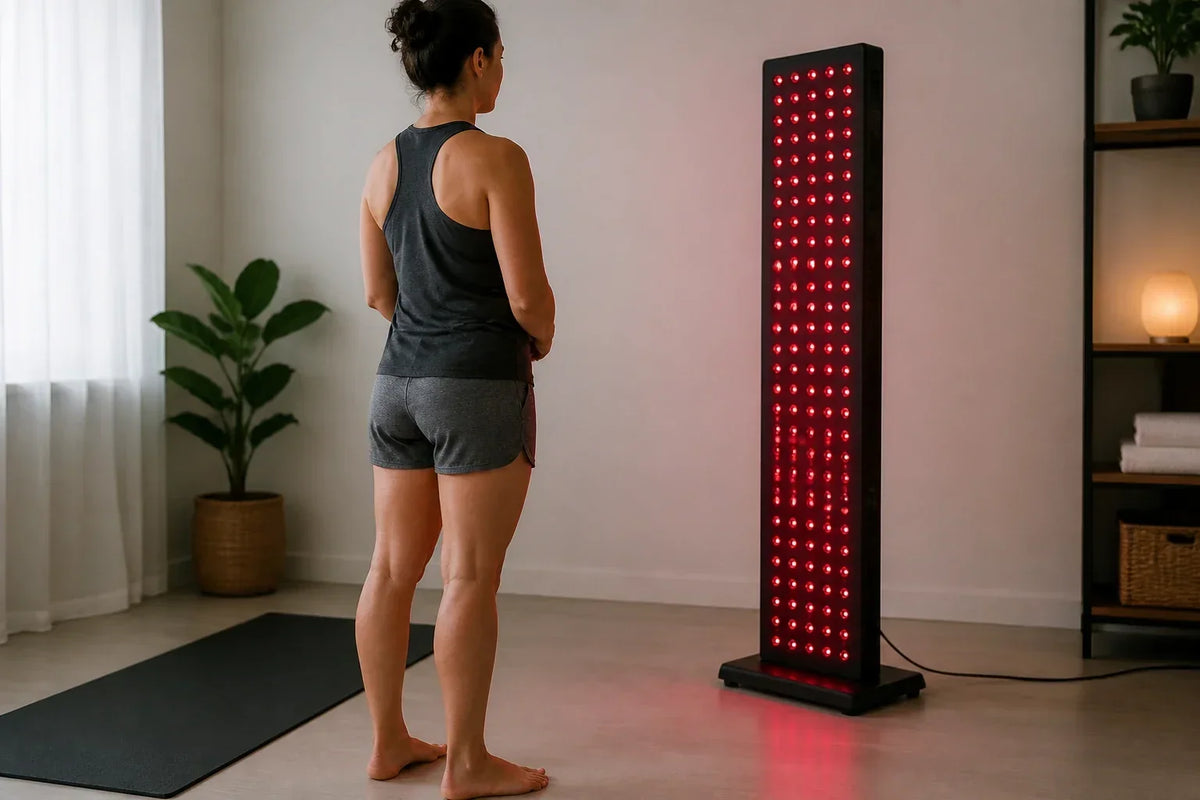
| Body panel routine | 660nm + 850nm | May appear in specialized devices | Check heat, distance, and output. |
| Technical PBM comparison | Depends on protocol | Worth comparing if specs are clear | Look at the whole device, not just one number. |
| Invisible NIR preference | 850nm or 940nm | 940nm may be less visible | Less visible does not mean safer or stronger. |
Does 940 nm Penetrate Deeper?
You may see marketing that says “higher wavelength means deeper penetration.” That is too simple. Penetration depends on wavelength, tissue type, skin tone, distance, power density, beam area, scattering, absorption, and dose.
940nm is near-infrared, and near-infrared wavelengths can interact with tissue differently than visible red light. But it is not automatically “deeper” or “better” than 850nm in every real device. Around the near-infrared range, absorption and scattering change gradually, and device design can matter as much as the wavelength.
I would be careful here: if a brand says 940nm is better but does not explain irradiance, distance, session time, or heat management, the claim is not very useful.
Safety: What to Know About 940 nm Near-Infrared Light
Because 940nm is usually invisible, the main safety mistake is casual use. People may look toward the device because it does not seem bright. They may also overextend session time because they do not feel much at first, or they may move too close because they think stronger is better.
Cleveland Clinic explains that red light therapy does not use ultraviolet light from the sun or tanning booths, but it still recommends using devices as directed. You can review its overview here: Cleveland Clinic red light therapy overview.
FDA general wellness guidance explains how low-risk wellness devices should stay within appropriate general wellness boundaries. You can review it here: FDA General Wellness Policy for Low Risk Devices.
| Safety Point | Why It Matters With 940nm | Better Move |
|---|---|---|
| Eye protection | 940nm may be invisible, so you may not sense exposure clearly. | Use goggles or shields if the manual recommends them. |
| Heat management | Some NIR devices can feel warm depending on output. | Stop if the session feels too hot or uncomfortable. |
| Distance | Closer is not automatically better. | Follow the recommended device distance. |
| Session length | Invisible light can make users overdo sessions. | Use a timer and follow the manual. |
| Photosensitivity | Some users may be more light-sensitive. | Ask a qualified professional if you are unsure. |
Common Mistakes When Shopping for 940 nm Red Light Therapy
The most common mistake is thinking 940nm is red light because the product title says “red light therapy.” The second mistake is assuming 940nm is better than 850nm because the number is larger. The third mistake is buying an invisible infrared device without checking whether it is actually made for at-home photobiomodulation use.
The FTC reminds businesses that health-related product claims should be truthful, not misleading, and supported by reliable evidence. You can review its guidance here: FTC Health Products Compliance Guidance.
| Mistake | Why It Happens | Better Move |
|---|---|---|
| Calling 940nm red light | Product titles use broad consumer wording. | Recognize 940nm as near-infrared. |
| Assuming higher nm is better | Bigger numbers sound more advanced. | Compare the whole device, not just wavelength. |
| Judging by brightness | People expect therapy light to glow. | Remember 940nm can be invisible. |
| Ignoring heat | Warmth feels like it is working. | Comfort and instructions matter more than warmth. |
| Skipping goggles | Invisible light feels less intense. | Follow the device’s eye protection instructions. |
| Buying without specs | Marketing can sound scientific. | Look for wavelength, irradiance, distance, time, and warranty. |
What I Would Actually Check Before Buying a 940 nm Device
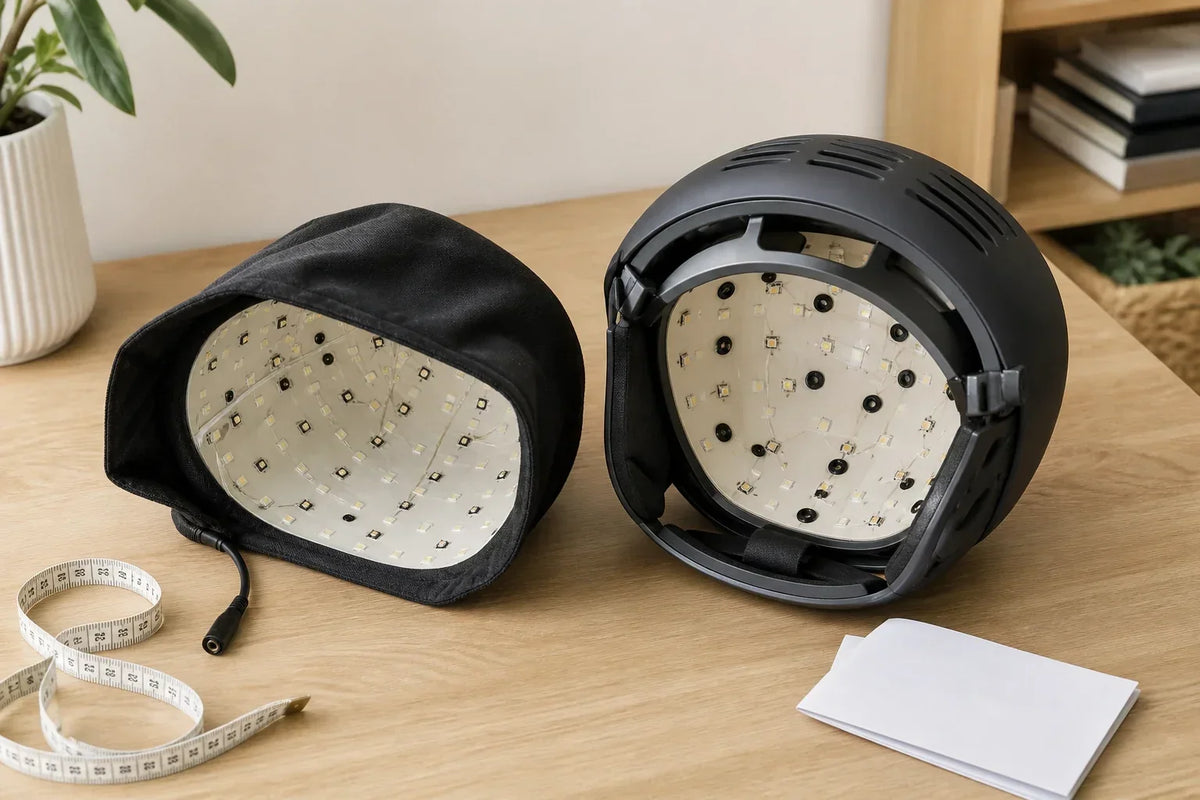
If I were helping a friend compare a 940nm red light therapy product, I would start with the product page and manual, not the marketing headline. The device should tell you exactly what wavelength it uses, whether it is LED or laser, how long to use it, how far to stand from it, what area it covers, and whether eye protection is required.
If those details are missing, I would not buy it. A technical wavelength like 940nm needs more clarity, not less.
- Does the device clearly say 940nm?
- Does it also include 660nm or 850nm?
- Is it LED, laser, or another type of emitter?
- Does the manual explain session time and distance?
- Does the device explain eye protection?
- Does it avoid unrealistic claims?
- Does it have a clear warranty and support policy?
My Practical View
My personal take is simple: 940 nm red light therapy is a useful keyword, but the phrase is technically messy. 940nm is near-infrared, not red. That is not a problem if the brand explains it clearly. It is a problem if the brand uses the confusion to make the device sound more advanced than it is.
If this were my routine, I would usually start with a clear 660nm + 850nm panel before chasing 940nm. That common combination is easier to compare, easier to understand, and easier to fit into most home routines. I would consider 940nm only when the product gives a strong reason for using it.
The part I would pay attention to is invisible light. Since 940nm does not look bright, you need to respect the manual, the timer, the distance, and eye protection. You cannot judge this wavelength by glow.
So, is 940nm red light therapy worth considering? Yes, but only if you understand that it is near-infrared, not red light, and only if the device gives clear specs, realistic instructions, and careful safety guidance.
References
- FDA: Photobiomodulation PBM Devices Premarket Notification Guidance
- NIH/PMC: Photobiomodulation Mechanisms and Optical Window
- NIH/PMC: Near-Infrared Photonic Energy Penetration
- PubMed: Mechanisms and Efficacy of Photobiomodulation Therapy
- NIH/PMC: Controlled Trial on Red and Near-Infrared Light
- Cleveland Clinic: Red Light Therapy Overview
- FDA: General Wellness Policy for Low Risk Devices
- FTC: Health Products Compliance Guidance
FAQ
Is 940 nm red light?
No. 940nm is near-infrared light, not visible red light. It is often grouped under red light therapy in consumer language, but technically it belongs to the NIR range.
Is 940nm better than 850nm for red light therapy?
Not automatically. 850nm is more common in home red light therapy panels, while 940nm is less common and should be judged by the whole device design, not only the wavelength number.
Can you see 940nm light?
Usually no. 940nm light is invisible or nearly invisible to most people, so you should not judge device output by visible brightness.
Does 940nm penetrate deeper than red light?
940nm is near-infrared and may interact with tissue differently than visible red light. However, penetration depends on many factors, including wavelength, power, distance, tissue type, and device design.
Should I wear eye protection with 940nm near-infrared light?
Follow the device manual. Because 940nm is not easily visible, eye protection and proper positioning are important when the device recommends them.
Should beginners choose 940nm or 660nm plus 850nm?
Many beginners may find a clear 660nm plus 850nm panel easier to understand and compare. A 940nm device can be considered if the brand clearly explains why it uses that wavelength and how to use it safely.