Editorial Review: This article was created with reference to public veterinary and regulatory resources, including Merck Veterinary Manual, PetMD, PubMed/NIH research, FDA general wellness guidance, and FTC health product compliance guidance. It is written for pet wellness education and product understanding, not as veterinary advice.
Is red light therapy safe for dogs? The careful answer is: it can be used around dogs in some supervised settings, but it should not be treated like a casual toy or a guaranteed home fix. Safety depends on the device, distance, session time, eye direction, heat, your dog’s comfort, and whether your veterinarian agrees that a light-based wellness routine makes sense for your dog. If your dog squints, turns away, pants, hides, or tries to leave, the session should stop.
This question deserves a more honest answer than “yes, it is safe.” Dogs cannot tell us whether a bright panel feels uncomfortable. They cannot explain eye strain. They may also move suddenly, stare toward LEDs, chew a cable, or get nervous in a new setup. My view is simple: before asking whether red light therapy is useful for dogs, ask whether the setup is calm, supervised, eye-aware, and approved by your veterinarian.
Quick Answer: Red Light Around Dogs Requires Supervision
For pet owners, the safest starting point is conservative. Do not point bright LEDs directly at your dog’s eyes. Do not leave your dog alone with a red light panel. Do not force your dog to stay in front of a device. Do not copy a human routine and assume it fits a dog.
Professional veterinary light use is often discussed under the term photobiomodulation, or PBM. That is different from placing a consumer panel near a dog bed and guessing the settings. Veterinary PBM uses device-specific parameters and professional judgment. A home routine should be framed as a supervised wellness setup, not a replacement for a veterinary care plan.
| Owner Question | Careful Answer | Best First Step |
|---|---|---|
| Is red light therapy safe for dogs? | It may be used safely only with the right setup and supervision | Ask your veterinarian before starting |
| Can dogs look at red light panels? | Direct eye exposure should be avoided | Angle the panel away from the eyes |
| Can I use a human panel near my dog? | Only if the setup is calm, controlled, and vet-approved | Check distance, heat, brightness, and cables |
| How long should a dog session be? | There is no universal time for every dog | Start brief and follow professional guidance |
Why This Keyword Needs a Safety-First Answer
People search this keyword because they care about their dog. Many are not trying to replace a veterinarian. They may already own a red light panel for themselves and notice their dog lies nearby. Some are looking for a gentle routine for an older dog. Others see pet light devices online and want to know whether they are safe or just marketing.
The problem is that many pages make the topic sound too simple. They jump from “veterinary light devices exist” to “home red light is safe for pets.” That jump is too big. A clinic-style device, a pet-specific device, a handheld wand, and a human wellness panel are not the same experience for a dog.
For Google and for real readers, this article has to treat the topic as a pet safety question. That means the content should be careful with claims, clear about limits, and useful for owners who need a real-world checklist.
Red Light Therapy, Laser Therapy, and PBM: What Are We Talking About?
In pet content, the terms can get confusing. Some websites say red light therapy. Some say cold laser. Some say low-level light therapy. Some say photobiomodulation. These terms can overlap, but they are not always describing the same device.
Red light is visible. Near-infrared light is usually harder to see. A home red light panel may use common wavelengths such as 660nm red light and 850nm near-infrared light. A veterinary laser system may have different output, beam behavior, wavelength, software settings, and safety requirements.
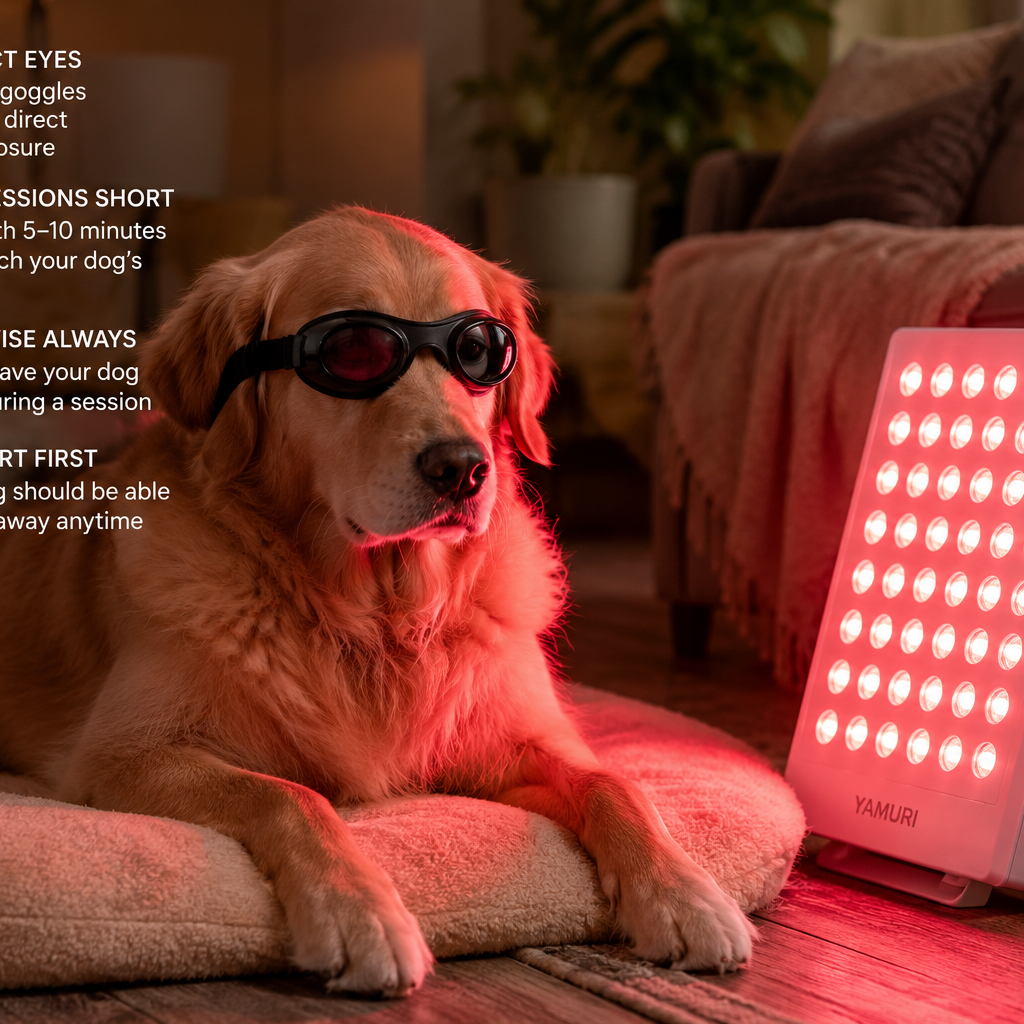
This matters because “safe” depends on more than color. It depends on power, distance, exposure time, beam type, eye direction, and the animal’s body size and coat. A calm golden retriever lying beside a low-glare panel is a different situation from a small dog staring into a bright device at close range.
The Biggest Safety Issue: Your Dog’s Eyes
Eye safety is the first topic I would check before using any red or near-infrared device around a dog. Bright LEDs and laser-style light should not be aimed directly into the eyes. Dogs may look toward the panel out of curiosity, and near-infrared light can be less obvious than visible red light.
Merck Veterinary Manual states that veterinary photomedicine must avoid the retina and follow proper eye protection guidelines. It also notes that the main risks of laser therapy include retinal damage and thermal burns when improperly applied. For home owners, the practical takeaway is clear: do not aim intense light at the eyes, do not rely on guessing, and do not assume “red” automatically means harmless.
Eye-Safe Setup Principles
Angle the panel so the light is not directed at your dog’s face. Keep the device off to the side or lower than the direct eye line. Avoid shiny surfaces that could reflect light. Do not run a session while your dog is staring at the panel. If you use pet eye protection, it should fit properly and be appropriate for the wavelength and device type.
Dog Behavior Around Bright Light
Squinting, head turning, pawing at the face, hiding, blinking more than usual, or refusing to settle are signs that the setup may be uncomfortable. A dog that looks away is not being difficult. The dog is giving feedback.
| Dog Signal | Possible Meaning | Owner Response |
|---|---|---|
| Squinting or blinking | The light may be too direct or too bright | Stop and change the angle |
| Turning the head away | The dog may prefer less exposure | Let the dog move away |
| Relaxed lying down | The dog may be comfortable for now | Keep watching closely |
| Panting or leaving | The session may feel stressful or warm | End the session |
Can You Use a Human Red Light Panel for Dogs?
Many owners ask this because they already own a panel. The responsible answer is not a flat yes. A human panel may be used around a dog only if your veterinarian agrees, the device manual does not warn against that type of use, the session is supervised, the eyes are protected from direct exposure, and your dog can leave freely.
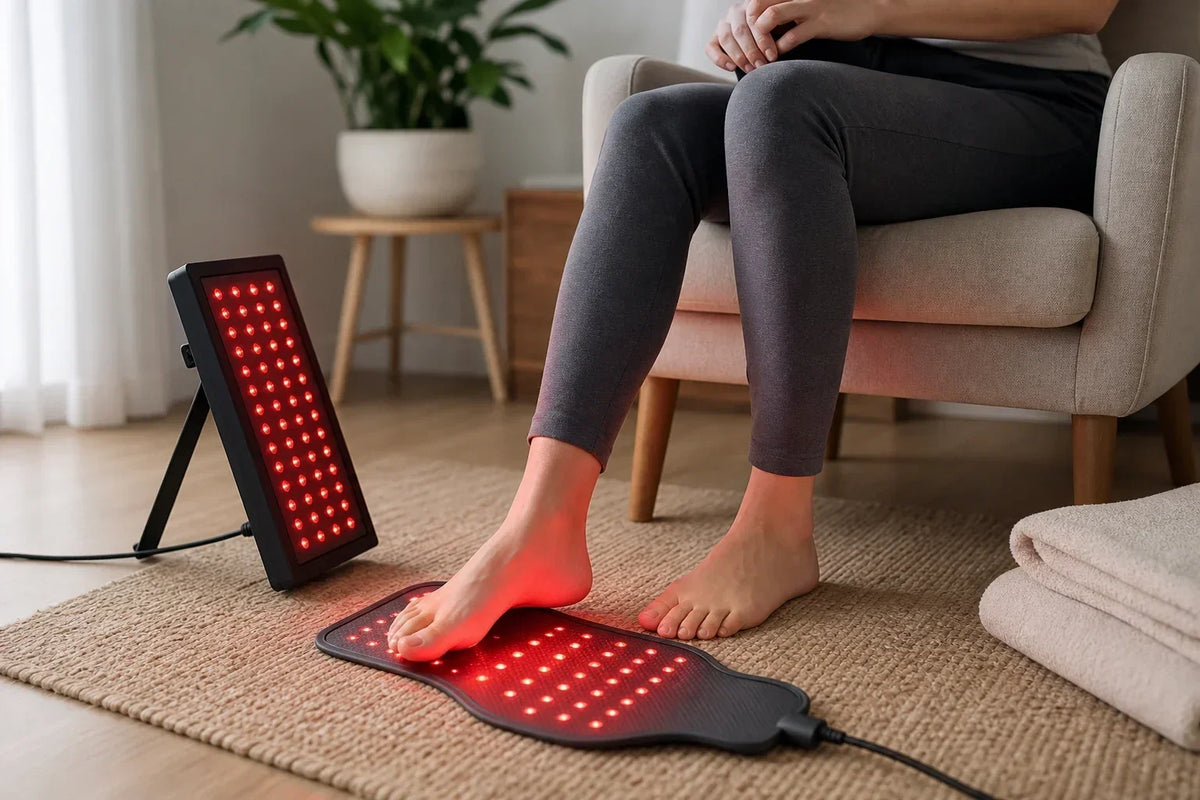
A human red light panel is usually designed around human positioning, human eye warnings, human distance, and human session habits. Dogs are shorter. They may lie on the floor closer to the LEDs. They may stare at the glow. They may step on cables. These small details change the safety picture.
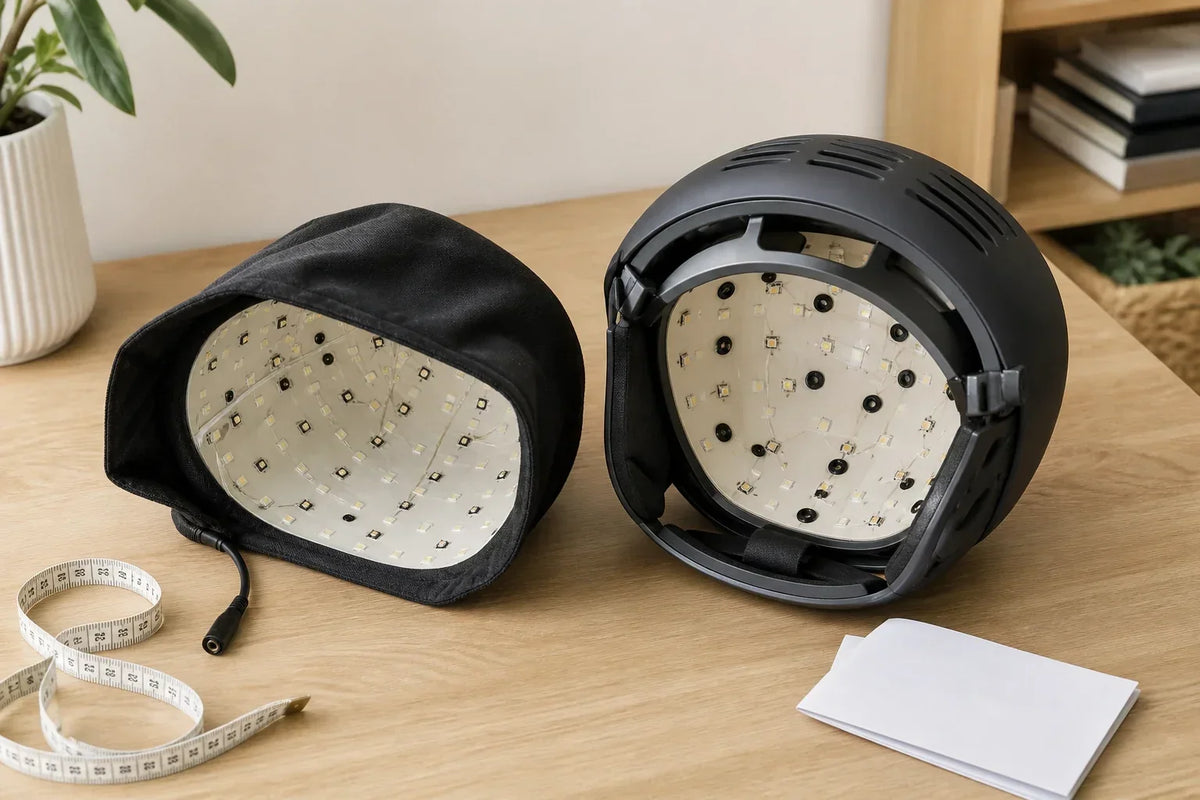
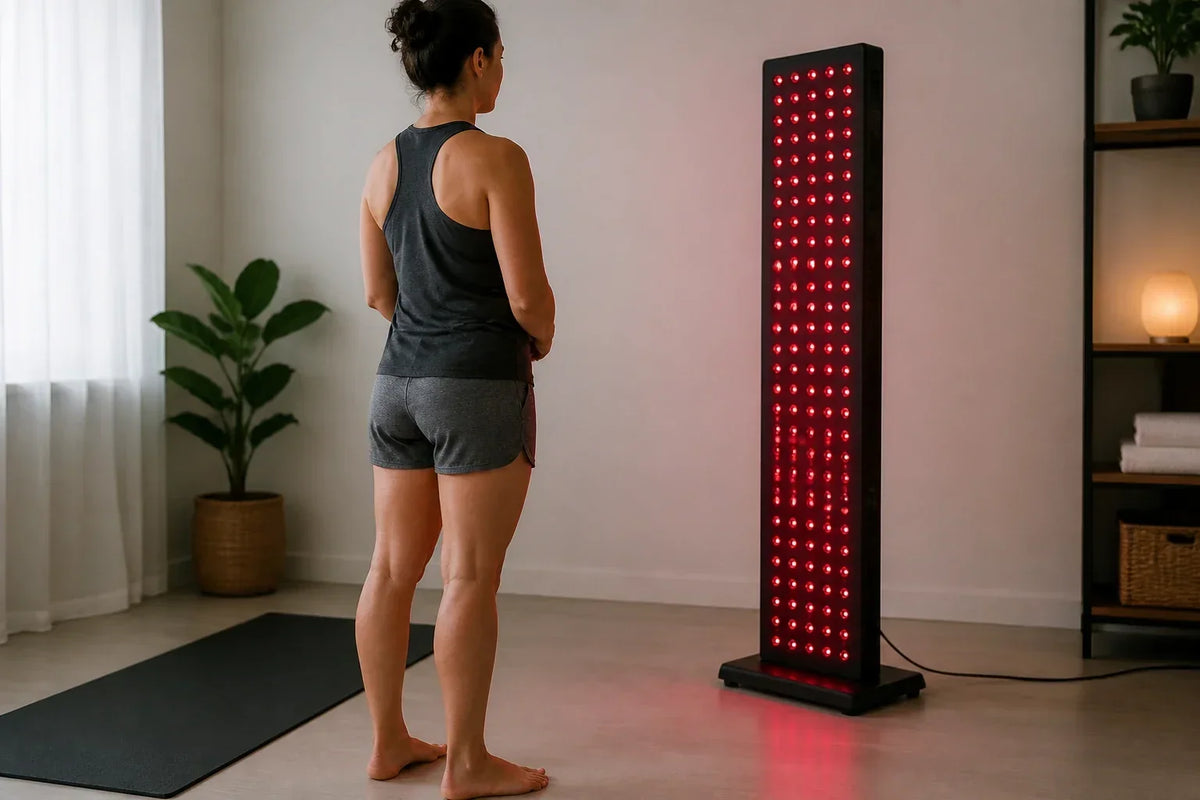
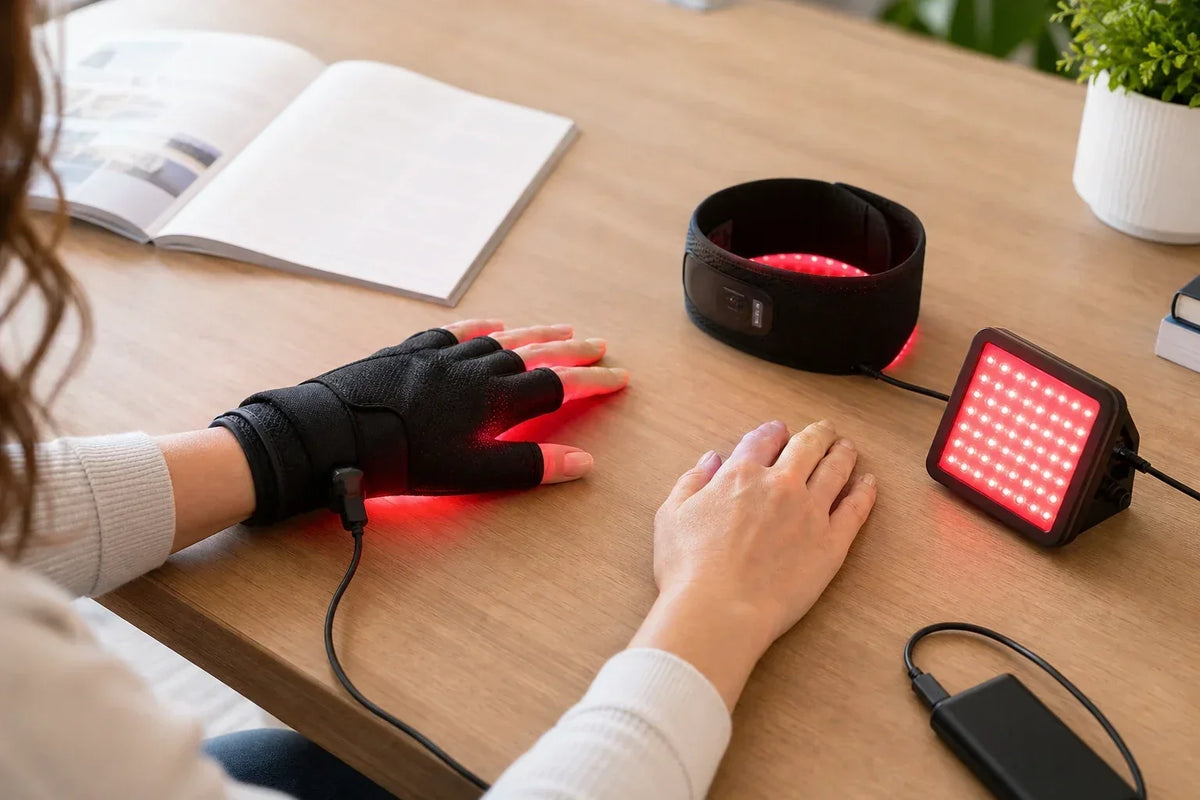
If you are comparing a panel-style home device, a white red light therapy panel with 660nm and 850nm wavelengths can fit a bedroom or living room wellness setup. A panel format like the Yamuri red light therapy panel may be easier to place at a controlled distance than a handheld device, but for dogs the main priority is still safety, not size or power.
When You Should Ask a Veterinarian First
Ask your veterinarian before using red light therapy around your dog if your dog has an existing health concern, eye sensitivity, a history of eye issues, unusual skin changes, recent surgery, pregnancy, a known mass, heat sensitivity, anxiety, or is taking medication that could affect light sensitivity. This is not because every dog is at high risk. It is because your veterinarian knows the context you cannot get from a blog.
PetMD’s veterinary-reviewed content describes dog laser therapy as something typically performed in a professional setting, with the pet often resting on a comfortable pad and goggles used to help protect vision. It also notes that settings and time matter. That is the kind of caution home owners should respect.
| Situation | Vet Input Needed? | Why |
|---|---|---|
| Dog has eye concerns | Yes | Eye safety is the top priority |
| Dog is pregnant | Yes | A veterinarian should guide any light exposure routine |
| Dog has a known lump or unusual area | Yes | Do not apply light over areas that need professional evaluation |
| Dog is anxious around devices | Yes, or avoid | Stress can make the routine unhelpful |
| Healthy dog resting near your panel | Still wise to ask | Your vet can help judge a safe home setup |
How Long Is Safe for Dogs?
There is no universal session length that applies to every dog, every panel, and every distance. A small short-haired dog near a bright device is not the same as a large long-haired dog farther away. Coat length, coat color, body size, device output, and distance all affect the experience.
One study on light delivery in dogs found that wavelength, power, coat length, and coat color can influence how much light reaches a target area. That does not mean owners should calculate complex dose at home. It means the owner should not assume one internet session time fits every dog.
For a first home introduction, I would keep it very short. Let your dog see the device while it is off. Turn it on at a comfortable distance. Watch behavior. End the session before the dog gets restless. If your veterinarian gives a specific session plan, follow that instead.
A Conservative First-Week Routine
Day one can simply be device introduction with no session. Let the dog sniff the area and walk away. Day two can be a brief supervised exposure at a safe angle. After that, increase only if your dog remains relaxed and your veterinarian approves the plan.
What Not to Do
Do not start with long sessions. Do not put the panel very close because you think closer is stronger. Do not cover the dog’s whole body with light without understanding distance and eye angle. Do not keep going if the dog tries to leave.

Heat, Cables, and Room Setup Matter
Dog safety is not only about the light itself. It is also about the room. A device on a weak stand can tip. A visible cable can be chewed. A warm device can be touched by a curious nose. A dog bed placed too close to the panel can make the session stronger than intended.
The best home setup feels boring and controlled. Put the panel on a stable surface. Keep cables behind furniture or safely routed. Use a rug or dog bed at a reasonable distance. Keep water nearby. Stay in the room. The dog should never be trapped between furniture and the device.
| Setup Item | Good Practice | Warning Sign |
|---|---|---|
| Panel position | Stable, angled away from the eyes | Directly facing the dog’s face |
| Cable | Hidden or secured | Loose cable near the dog’s mouth or paws |
| Distance | Based on manual and vet input | Very close placement with no plan |
| Dog choice | Dog can walk away anytime | Dog is blocked, held, or forced to stay |
Red Light Therapy for Dogs at Home: A Step-by-Step Safety Routine
If your veterinarian says a supervised home routine is reasonable, keep the first setup simple. The goal is not to create a spa session for your dog. The goal is to create a calm, predictable environment where you can watch your dog’s response.
Step 1: Bring the Device Information to Your Vet
Show the device name, wavelengths, power details if available, recommended distance, and user manual. A veterinarian cannot evaluate a vague product description.
Step 2: Choose a Calm Room
A quiet bedroom or living room is better than a busy hallway. Avoid reflective floors or mirrors near the panel. Keep other pets away during the first session.
Step 3: Introduce the Panel While It Is Off
Let your dog sniff the area. Give the dog space. Do not force interaction. A calm first impression helps later sessions feel normal.
Step 4: Start at a Safe Angle
Position the panel so the light is not aimed at the eyes. Side-angle placement is usually more sensible than face-on placement. Stay close enough to turn the device off immediately.
Step 5: Keep the First Session Brief
Short and calm is better than long and uncertain. Watch body language more than the timer. If your dog leaves, the session is over.
Step 6: Record What Happened
Write down distance, time, dog behavior, room setup, and whether the dog stayed relaxed. A simple note can help your veterinarian give better guidance later.
What Makes a Dog a Poor Fit for Home Red Light Sessions?
Some dogs simply do not like bright devices. Some are nervous around new objects. Some want to chew cables. Some stare too directly at lights. Some cannot stay still without stress. These dogs may not be good candidates for casual home sessions.
A dog-friendly wellness routine should feel voluntary. If you need to hold your dog in place, block the exit, or distract the dog constantly, the setup is probably not right. In that case, professional guidance is better than forcing a home routine.
Common Mistakes Owners Should Avoid
The first mistake is assuming “safe for humans” means “safe for dogs.” The second mistake is copying a clinic routine without a professional. The third mistake is pointing the panel toward the dog’s face. The fourth mistake is making the session too long because the dog seems calm.
The fifth mistake is making claims the device was not designed to support. FDA general wellness guidance separates healthy lifestyle support from diagnosis, cure, mitigation, prevention, or disease-related claims. FTC guidance also reminds businesses that health-related claims should be truthful, not misleading, and supported by science. For pet content, careful language matters even more.
| Mistake | Why It Matters | Better Move |
|---|---|---|
| Using human timing | Dogs have different size, coat, and behavior | Ask a vet and start short |
| Aiming at the eyes | Eye safety is a key concern | Angle the panel away |
| Leaving dog alone | Dog may stare, chew, or move too close | Supervise every session |
| Ignoring heat | Some devices can warm nearby surfaces | Check comfort and distance |
| Overpromising results | Pet safety content needs evidence and limits | Keep the routine wellness-focused |
Home Panel vs Pet-Specific Device vs Vet Visit
A home panel can be convenient, but convenience is not the same as suitability. A pet-specific device may be designed with animal handling in mind, but it still needs proper instructions. A vet visit gives you professional assessment and device-specific guidance.
If the question is “Can my dog relax near a red light panel while I supervise?” the answer may be yes in the right setup. If the question is “Can I use this as a plan for a health concern?” the answer should come from a veterinarian.
| Option | Best For | Limit |
|---|---|---|
| Home red light panel | Supervised wellness environment | Not a substitute for vet guidance |
| Pet-specific light device | Owners wanting pet-focused design | Still requires correct use |
| Veterinary PBM session | Dogs needing professional oversight | Requires appointment and cost |
| No home session | Nervous dogs or unclear health context | May be the safer choice |
Buying Checklist for Dog Owners
If you are buying a device with pets in mind, do not buy only from lifestyle photos. Read the manual. Look for distance guidance, eye warnings, heat information, warranty terms, and whether the device can stand securely in a room with pets.
A panel may be easier to position across a room than a handheld device, but it also needs more space and cable control. A small device may look safer because it is smaller, but the owner may hold it too close or move it unevenly. There is no perfect format. There is only a better fit for your home and your dog.
| Checklist Item | Good Sign | Red Flag |
|---|---|---|
| Manual | Clear distance, time, and safety instructions | No detailed usage guidance |
| Eye safety | Warnings are easy to find | No mention of eyes or brightness |
| Stability | Device stands securely | Easy to tip over |
| Claims | Careful wellness language | Strong promises without context |
| Vet discussion | Specs are clear enough to share | You cannot explain the device to your vet |
My Personal View
If someone asks me, “is red light therapy safe for dogs?” I would answer this way: it can be safe only when the owner treats it like a supervised pet-safety routine, not like a casual home gadget. The dog’s eyes, comfort, distance, and ability to walk away matter more than the device looking impressive.
My honest advice is to talk to your veterinarian first, especially if your dog has any health concern or eye sensitivity. If your vet is comfortable with a home routine, start short, angle the panel away from the eyes, watch your dog closely, and stop before your dog gets restless. A calm dog that can choose to leave is the goal. A forced session is not worth it.
For home wellness readers comparing device formats, you can browse red light therapy devices for home use or continue reading practical guides in the Red Light Therapy Encyclopedia. For pet use, the most important product feature is not brightness. It is whether the setup lets you supervise safely and respect your dog’s comfort.
References
- Merck Veterinary Manual: Photomedicine in Veterinary Patients
- Companion Animal Health: A Closer Look at Laser Therapy Eye Protection
- PetMD: Laser Therapy for Dogs
- NIH/PMC: Wavelength, Power, Coat Length, and Coat Color in Dogs
- PubMed: Veterinary Photobiomodulation Overview
- FDA: General Wellness Policy for Low Risk Devices
- FTC: Health Products Compliance Guidance