Is Red Light Therapy Good for Dogs: Safe at Home, Vet Guidance, and Realistic Use
Author: Yamuri Editorial Team
Is red light therapy good for dogs? The careful answer is: it may be useful for some dogs as part of a veterinarian-informed wellness routine, but it is not something I would treat like a casual home gadget. The real decision depends on your dog’s age, comfort level, eyes, coat type, body size, current health context, device type, session time, and whether your veterinarian thinks light-based support makes sense. If your dog seems uncomfortable, tries to leave, squints, pants, or avoids the device, the session should stop.
This topic needs a human answer, not a hype answer. Dog owners search this because they love their pets and want to do the right thing. Some have an older dog. Some have an active dog. Some already use a red light panel at home and notice the dog lies nearby. My honest take is simple: red light therapy can be worth discussing with your veterinarian, but the dog’s comfort and safety matter more than any online promise.
Quick Answer: Red Light May Be Good for Some Dogs, But Not Automatically
Red and near-infrared light are used in veterinary settings under terms such as photobiomodulation, cold laser therapy, low-level light therapy, and therapeutic laser. In professional settings, these routines are chosen based on device parameters, the animal’s condition, body area, and safety precautions.
That does not mean every home red light panel is automatically good for every dog. A clinic device, a pet-specific device, a handheld wand, and a human wellness panel are different tools. The safest owner-level answer is this: ask your veterinarian, start conservatively, protect the eyes, supervise the full session, and let your dog walk away.
| Owner Question | Careful Answer | Best First Step |
|---|---|---|
| Is red light therapy good for dogs? | It may be helpful as a vet-informed wellness add-on for some dogs | Ask your veterinarian before starting |
| Can I use it at home? | Only with supervision, correct setup, and careful eye safety | Read the manual and start short |
| Is a human panel okay? | Possibly, but it is not designed around dogs by default | Check distance, heat, brightness, and vet input |
| Should every dog try it? | No. Some dogs are nervous, eye-sensitive, or poor fits for home sessions | Watch your dog’s behavior first |
Why Pet Owners Search This Question
When someone searches is red light therapy good for dogs, the feeling is usually personal. They are not just comparing gadgets. They are asking whether this could be a gentle, non-drug wellness idea for a dog they care about.
The problem is that online answers can be too confident. Some pages make it sound like red light is automatically good for dogs. Other pages make it sound like it should only happen in a clinic. The truth sits in the middle. Veterinary photobiomodulation is a real field, but home use requires much more caution than a product photo suggests.
If I were giving advice to a friend, I would not start with the most expensive device. I would start with the dog: Does the dog relax around new objects? Does the dog stare at lights? Does the dog chew cables? Does the dog have eye concerns? Has the vet already given a care plan?
What Is Red Light Therapy for Dogs?
Red light therapy for dogs usually refers to the use of red or near-infrared light as part of a pet wellness or veterinary light routine. In veterinary language, this is often discussed as photobiomodulation, or PBM. PBM may involve lasers or LED-based devices, depending on the setting and device type.
Red light is visible to the human eye. Near-infrared light is harder to see. Some home panels use common wavelengths such as 660nm red light and 850nm near-infrared light. Veterinary devices may use different wavelengths, power levels, beam shapes, and protocols.
That difference matters. A veterinary professional may use a specific device with controlled settings. A pet owner at home may only have a general-use panel and a timer. These are not the same scenario.
What Does Veterinary Research Suggest?
Veterinary photobiomodulation is studied and used in professional settings. PubMed literature describes PBM as a growing modality in veterinary medicine, especially in rehabilitation, sports medicine, and general practice. But “growing use” is not the same as “every home device is right for every dog.”
One important dog-focused study found that wavelength, power, coat length, coat color, and shaving can influence how much light reaches the intended area in dogs. You can read the study here: NIH/PMC study on light delivery in dogs. For pet owners, this means a fluffy dark-coated dog and a short-haired light-coated dog may not receive light in the same way.
A 2023 PubMed review also describes photobiomodulation as an expanding veterinary field. You can review it here: PubMed veterinary photobiomodulation overview. The practical takeaway is not “do whatever you want at home.” The takeaway is “there is a professional field here, so use professional judgment.”
| Factor | Why It Matters for Dogs | Owner Takeaway |
|---|---|---|
| Coat length | Long fur can change how light reaches the body | Do not copy another dog’s timing blindly |
| Coat color | Dark and light coats may interact with light differently | Ask your vet about your specific dog |
| Device power | Different devices deliver light differently | Manual and specs matter |
| Distance | Closer is not automatically better | Use a conservative setup |
| Eye direction | Dogs may look toward bright LEDs | Angle the light away from the eyes |
Is It Good for Older Dogs?
Many owners ask about older dogs because senior pets often have slower routines, more rest time, and more owner attention. Red light may fit into a calm home wellness routine for some senior dogs, but senior age also makes veterinary guidance more important.
An older dog may have eye sensitivity, medication history, mobility limits, anxiety, or existing conditions that should not be guessed about. If your dog is older, the question should not be “Can I try this because it looks gentle?” The better question is “Can my vet help me decide whether this is appropriate for my dog’s situation?”
Senior Dog Comfort Signs
A senior dog that relaxes calmly, breathes normally, and can walk away may tolerate a brief supervised setup better than a dog that becomes restless or confused. Comfort should guide the session more than the timer.
When to Avoid Guessing
If your older dog has eye issues, unusual skin changes, known lumps, recent surgery, heat sensitivity, or unexplained behavior changes, do not make a home light plan from an article. Ask a veterinarian first.
Is It Good for Active Dogs?
Some owners of athletic dogs are curious about red light because they already use wellness tools for themselves. For an active dog, a calm light routine may be something to discuss with a veterinarian, especially if the dog is in agility, running, hiking, or high-energy training.
Still, active dogs create a different challenge. They may not stay still. They may knock over a panel. They may chew cables or move too close to the LEDs. A good setup for an active dog must be boring, stable, and supervised.
| Dog Type | Possible Fit | What to Watch |
|---|---|---|
| Senior dog | May fit a calm vet-informed home routine | Eye comfort, heat, anxiety, existing conditions |
| Active dog | May fit a supervised cool-down style routine | Movement, cable safety, device stability |
| Nervous dog | May not be a good home fit | Hiding, panting, refusal to settle |
| Small dog | Needs extra distance and eye-angle care | Small body size and closer floor-level exposure |
| Long-haired dog | Requires more professional judgment | Coat may affect light delivery |
The Biggest Safety Topic: Eyes
If you remember one safety rule, make it this: do not shine bright red or near-infrared light directly into a dog’s eyes. Dogs can look toward light out of curiosity, and near-infrared light may be less visible while still being part of the device output.
Merck Veterinary Manual discusses veterinary photomedicine and warns that proper eye protection guidance matters. It also lists retinal damage and thermal burns as key risks of improper laser therapy use. You can read the professional resource here: Merck Veterinary Manual photomedicine resource.
Eye-Aware Home Setup
Place the panel at an angle rather than directly facing your dog’s eyes. Keep the dog bed slightly to the side. Avoid mirrors, shiny floors, or reflective objects that bounce light toward the face. If your dog squints, turns away, or avoids the panel, stop.
Should Dogs Wear Eye Protection?
In professional settings, eye protection may be used depending on the device and protocol. At home, do not guess. Ask your veterinarian what makes sense for your device and your dog. Poorly fitted goggles can also stress a dog, so comfort still matters.

What About Session Time?
There is no universal session time for every dog. Device power, wavelength, distance, coat, body area, and temperament all matter. A five-pound dog lying close to a bright panel is not the same as a large dog several feet away.
PetMD notes that laser therapy for dogs is generally performed with specific settings and time lengths, and that incorrect use can create problems. You can read their veterinary-reviewed guide here: PetMD laser therapy for dogs.
For home use, I would not begin with a long session. First, introduce the device while it is off. Let your dog sniff the area. Then try a very short supervised exposure from a safe angle. End while the dog is still calm.
| Session Question | Better Answer | Reason |
|---|---|---|
| How long should I start? | Start briefly and ask your veterinarian | Dogs vary too much for one universal time |
| Can I use a human routine? | No, do not copy human timing directly | Dog size, coat, and eye angle differ |
| Can I increase time later? | Only with guidance and good tolerance | More time is not automatically better |
| What if my dog walks away? | Stop the session | The dog’s choice matters |
Home Red Light Panel vs Veterinary PBM
This is one of the most important distinctions. Veterinary PBM is guided by professionals using specific protocols. A home panel is a consumer wellness device. It may be useful in a supervised pet-friendly home environment, but it should not be framed as the same thing as a veterinary treatment plan.
The FDA’s general wellness guidance explains how low-risk products may be positioned around general healthy lifestyle support when claims stay within a limited wellness scope. You can review it here: FDA General Wellness Policy. The FTC also reminds businesses that health-related claims should be truthful, not misleading, and supported by reliable evidence: FTC Health Products Compliance Guidance.
| Option | What It Is | Owner-Level View |
|---|---|---|
| Veterinary PBM | Professional light-based care with selected settings | Best when a dog needs professional assessment |
| Pet-specific device | Designed with pet handling in mind | Still needs instructions and careful use |
| Human red light panel | Consumer wellness device for people | Only consider with vet input and safe setup |
| No home device | Choosing not to use light at home | Often the best choice for nervous or high-risk dogs |
Dog Comfort Signals Matter More Than the Timer
Dogs speak through behavior. A relaxed dog may lie on a bed, breathe normally, and stay near you without tension. A dog that pants, squints, turns away, licks lips, hides, freezes, or tries to leave is telling you the session is not comfortable.
Do not force a dog to finish a session because the timer is still running. That is my strongest practical opinion on this topic. A dog-friendly routine must allow the dog to choose distance and leave the area.
| Dog Signal | What It May Mean | Owner Response |
|---|---|---|
| Relaxed lying down | Dog may be comfortable | Keep watching and keep session short |
| Squinting or blinking | Light may be too direct | Stop and change the setup |
| Turning away | Dog may want less exposure | Respect the signal |
| Panting or pacing | Stress or warmth may be present | End the session |
| Walking away | Dog is done | Let the dog leave |
How to Set Up a Safer Home Routine
If your veterinarian says a supervised home routine is reasonable, keep the setup quiet and simple. A living room, bedroom corner, or calm pet bed area is better than a busy hallway. Remove distractions and make sure your dog can leave easily.
Step 1: Show the Device Information to Your Vet
Bring the manual, wavelength information, recommended distance, and session guidance. Your veterinarian can give better advice when the device details are clear.
Step 2: Introduce the Device While It Is Off
Let your dog sniff the device area. Do not turn the session into a surprise. A dog that is calm around the device while it is off is more likely to tolerate it when the light is on.
Step 3: Choose a Side Angle
Position the device so the light does not face the eyes directly. Side placement usually makes more sense than a face-on setup.
Step 4: Keep Cables Safe
Route cables where your dog cannot chew or trip over them. Device stability matters, especially with curious or active dogs.
Step 5: Start Short and Stop Early
The first session is about observing comfort, not completing a perfect routine. Stop before your dog becomes restless.
Step 6: Track the Routine
Write down time, distance, dog behavior, and room setup. If anything seems off, pause and ask your veterinarian before continuing.
When Red Light May Not Be Good for a Dog
Red light may not be a good fit if your dog is nervous around devices, stares directly at lights, has eye sensitivity, chews cables, cannot settle, has an unexplained lump or skin change, is pregnant, has recent surgical context, or has a condition that needs professional evaluation.
This does not mean red light is “bad” for dogs. It means the home setup may not be appropriate. Sometimes the best owner decision is to skip the device and get a vet opinion first.
Common Mistakes to Avoid
The first mistake is turning a pet wellness idea into a treatment promise. The second mistake is using a human routine without adjusting for dog size and behavior. The third mistake is ignoring the eyes. The fourth mistake is thinking more time is better.
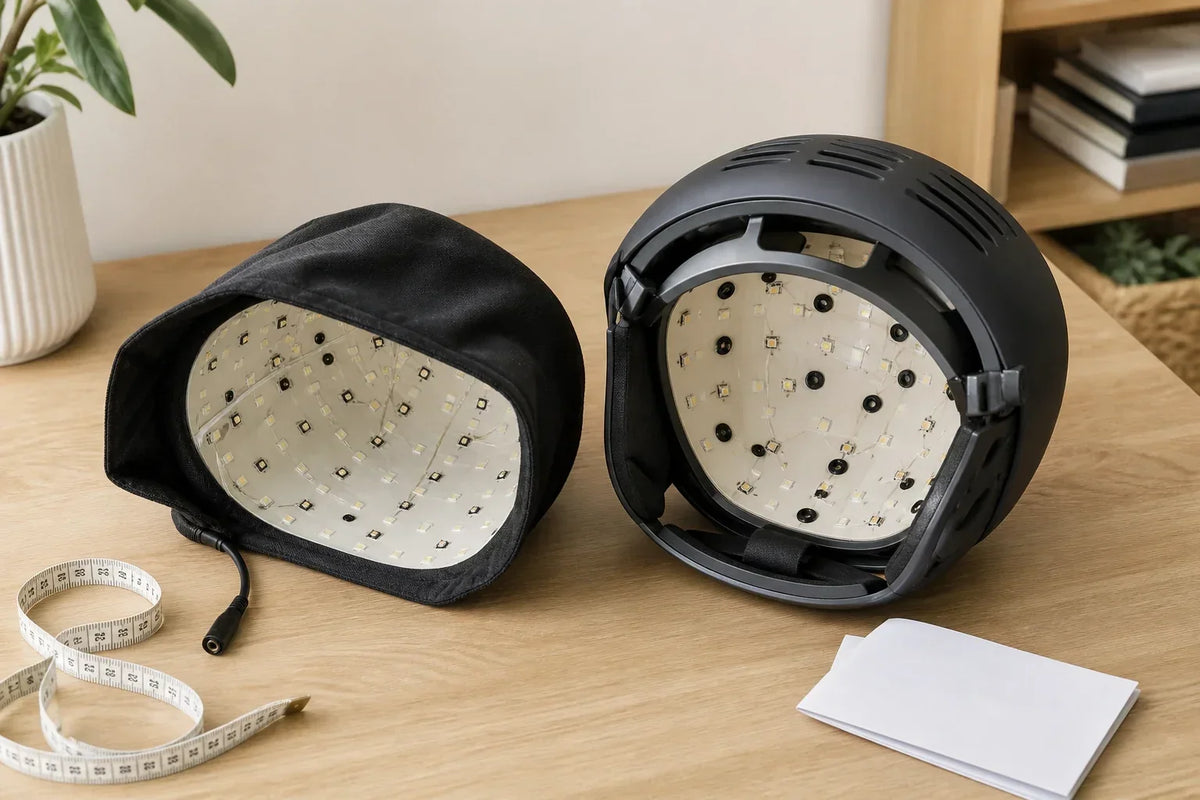
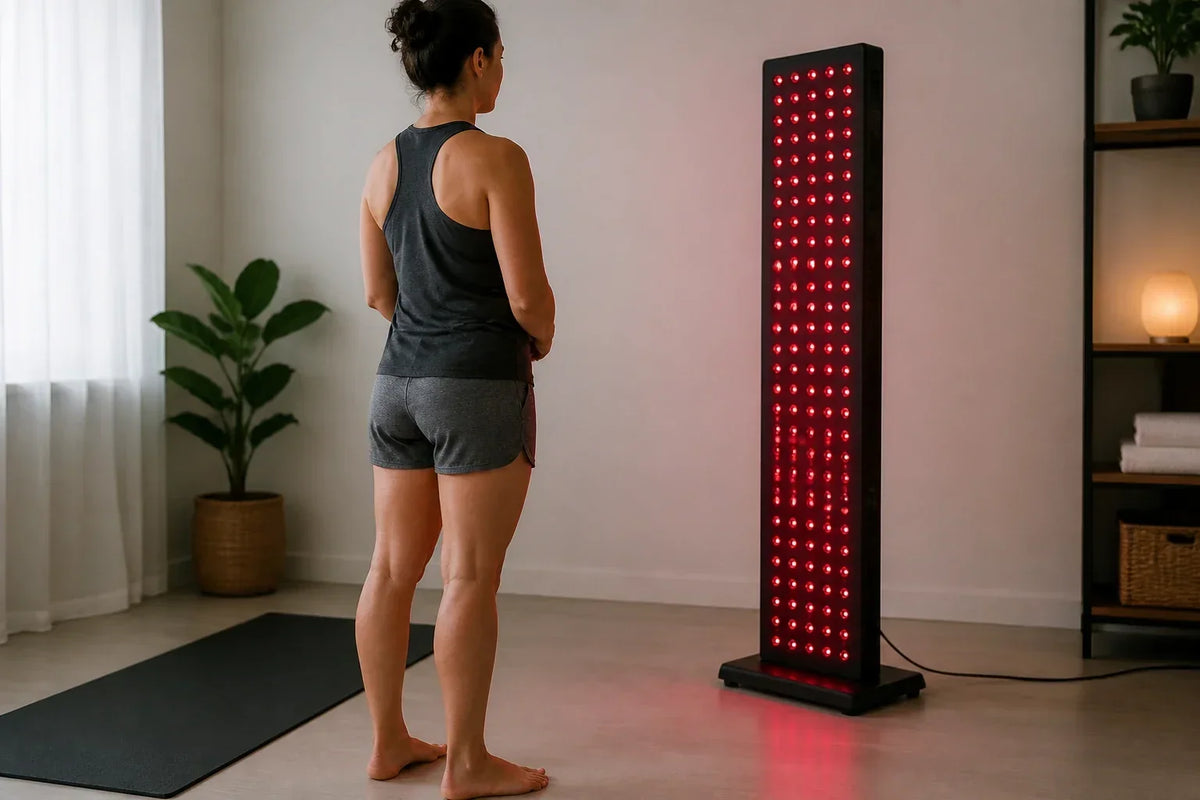
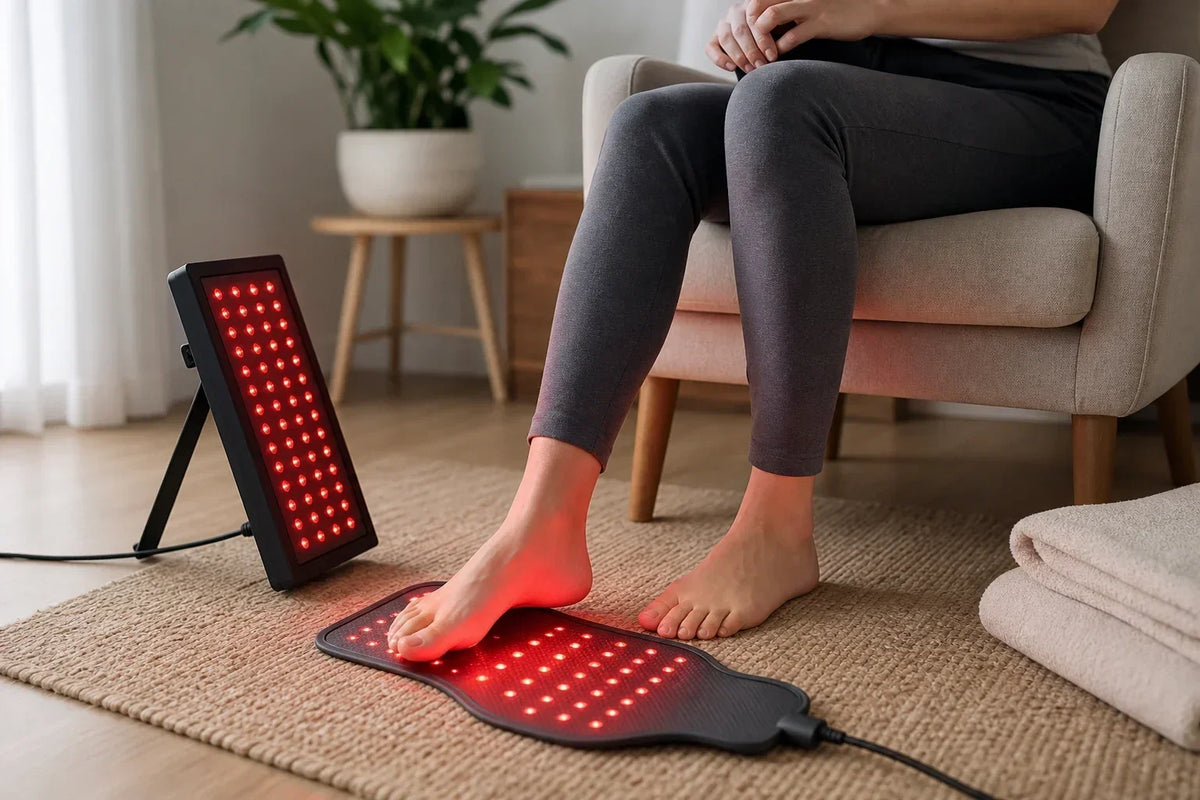
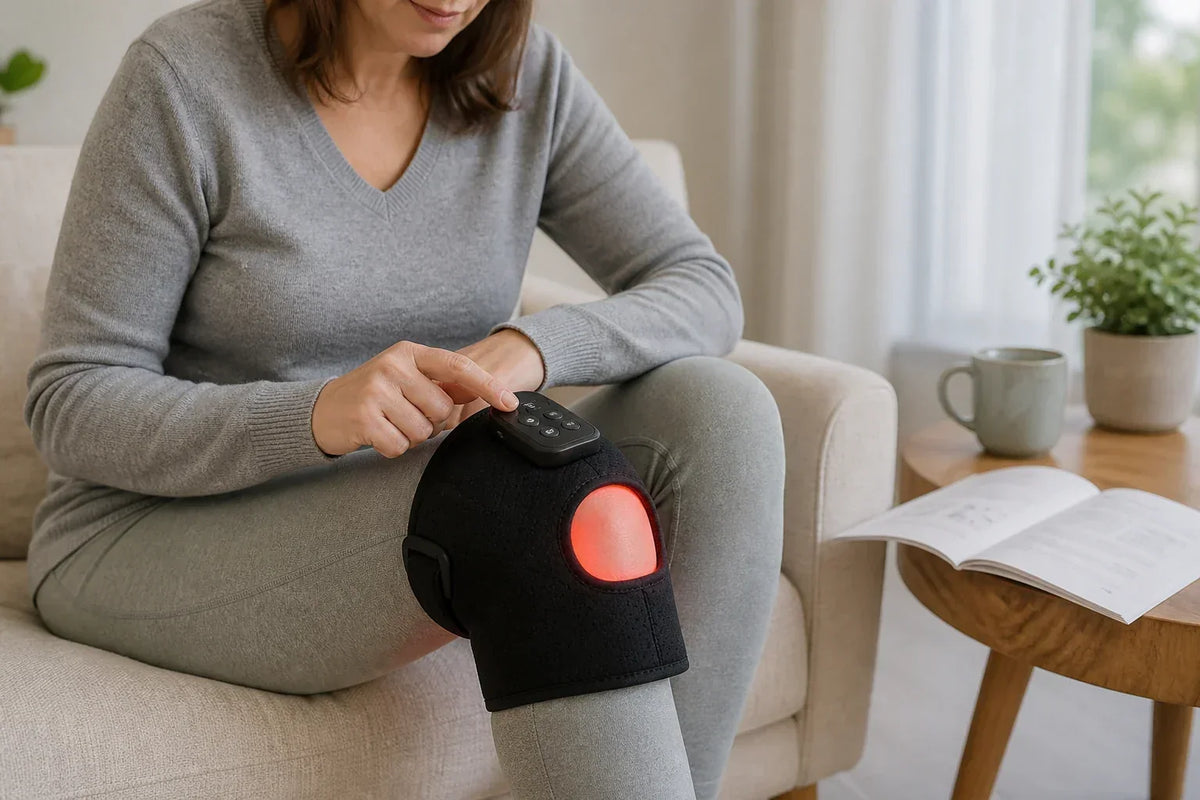
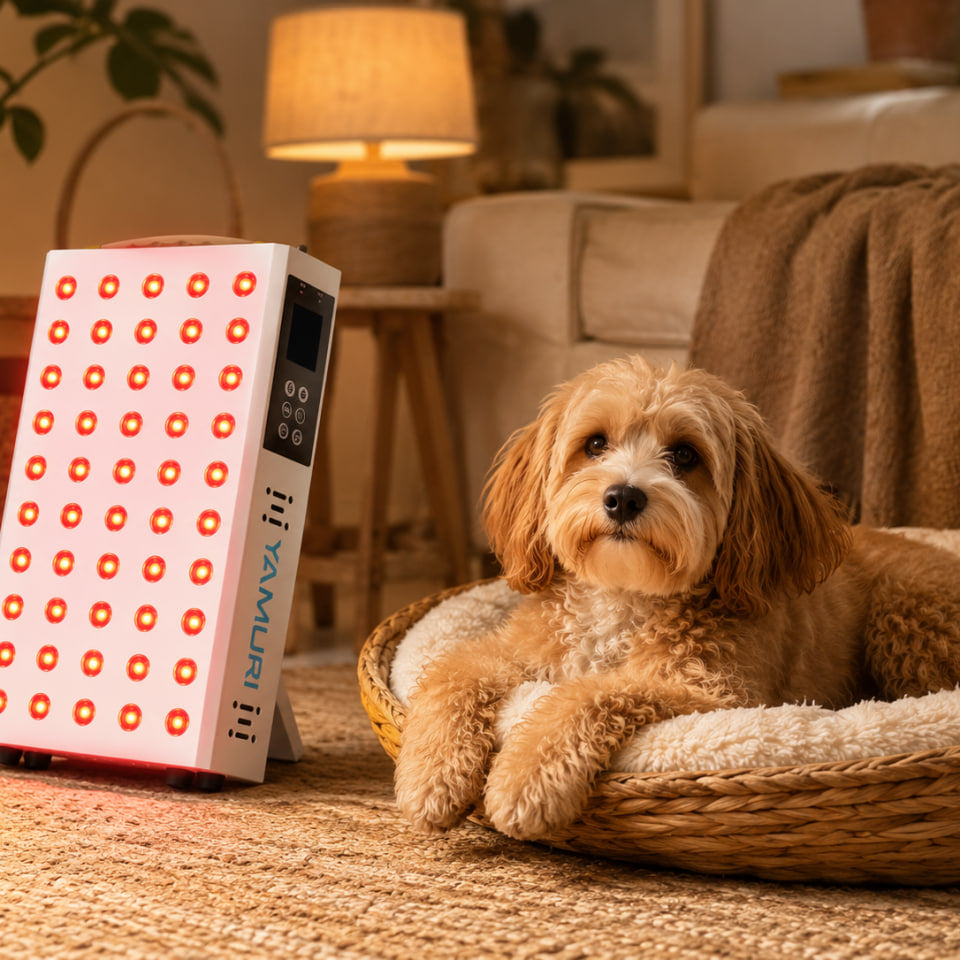
The fifth mistake is buying based only on cute photos of dogs beside red panels. A good image can show a calm routine, but it cannot tell you whether the device fits your dog. Read the manual. Ask your vet. Watch your dog.
| Mistake | Why It Happens | Better Move |
|---|---|---|
| Copying human sessions | The owner already uses red light | Get dog-specific guidance |
| Pointing light at the face | It seems like full exposure | Protect the eyes and use side angles |
| Forcing the dog to stay | The timer is not finished | Let the dog leave anytime |
| Using vague devices | Marketing sounds convincing | Check specs and manual clarity |
| Ignoring warning signals | Owner wants the routine to work | Stop if the dog seems uncomfortable |
Buying Checklist for Dog Owners
If you are considering a device with your dog in mind, evaluate it like a safety tool, not a lifestyle accessory. Beautiful product photos do not replace clear instructions.
| Checklist Item | Good Sign | Warning Sign |
|---|---|---|
| Manual clarity | Distance, time, and safety notes are clear | No detailed guidance |
| Eye warnings | Eye safety is explained | No mention of brightness or eyes |
| Stable stand | Device stays in place around pets | Easy to tip over |
| Cable design | Cables can be routed safely | Loose cables near the pet bed |
| Claim language | Careful wellness wording | Strong promises with little context |
My Personal View
If someone asks me, “is red light therapy good for dogs?” I would say: it can be good for some dogs in the right context, but only if the owner treats it as a supervised, vet-informed wellness routine. I would not call it automatically good. I would not use it casually. I would not force a nervous dog to sit in front of bright LEDs.
My honest advice is to start with your veterinarian, not the device. If your vet thinks it fits your dog, build a calm setup, protect the eyes, start short, and let your dog walk away. The best routine is not the one that looks impressive online. It is the one your dog accepts calmly and safely.