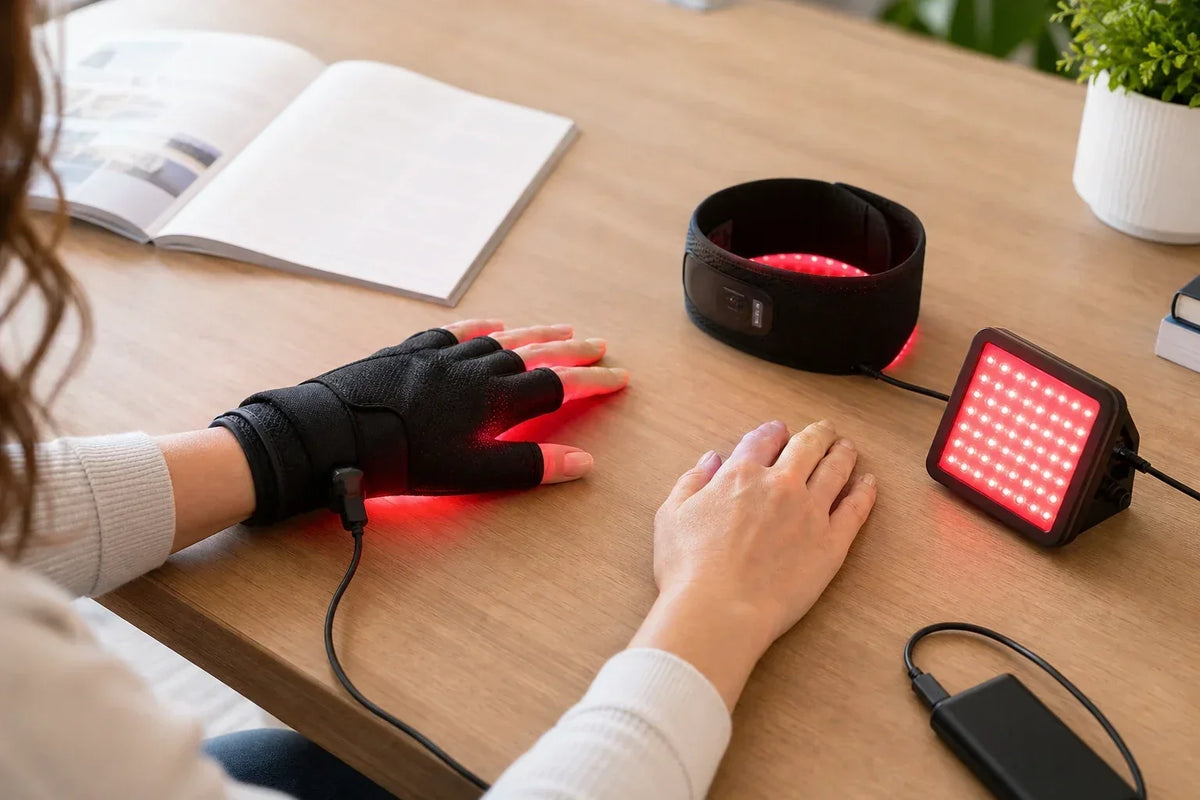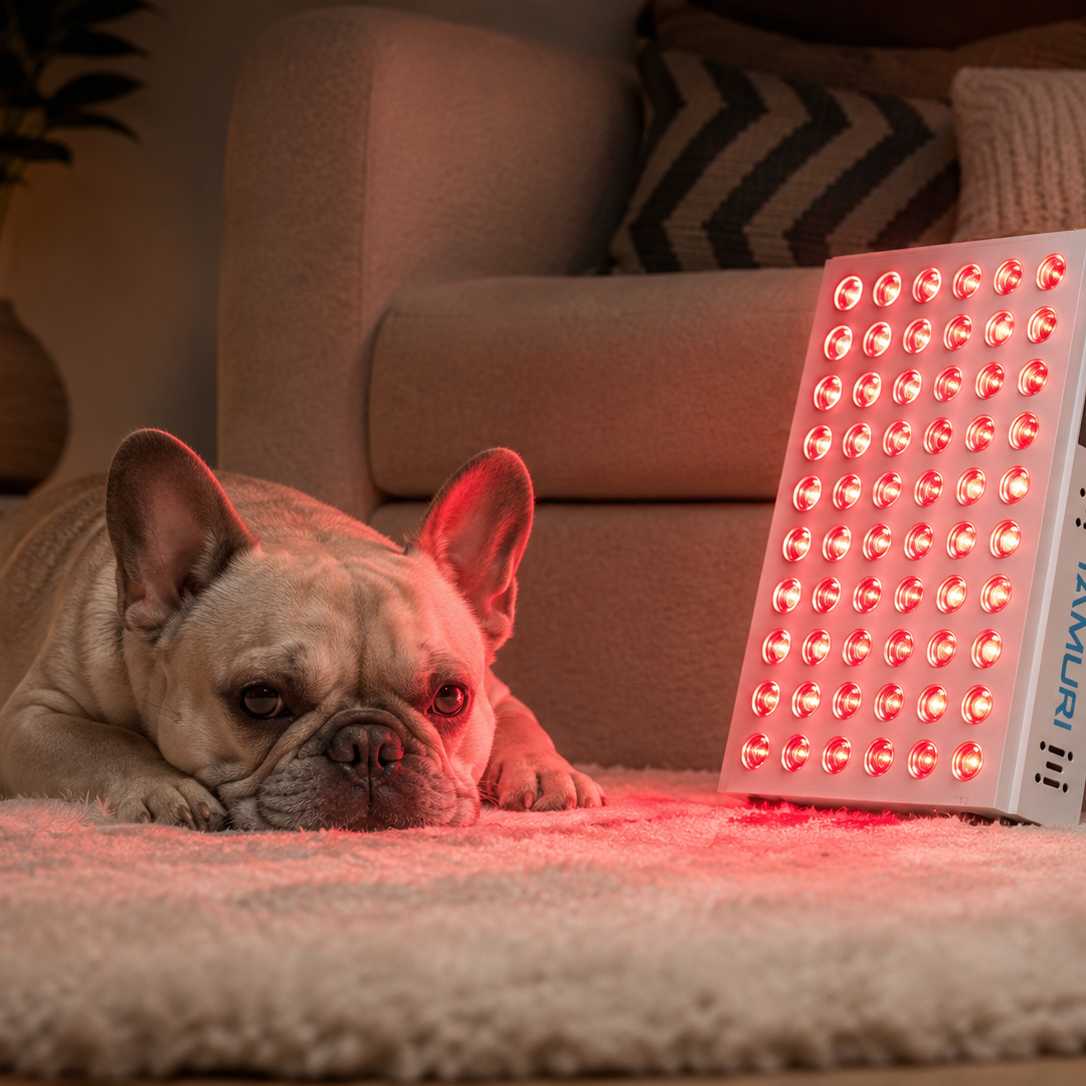
Red light therapy for dogs sounds simple at first: place a red light device near your dog, turn it on, and build a calm home routine. But the real question is not just “can dogs use red light?” The better question is: is your dog comfortable, is the device appropriate, are the eyes protected, and has your veterinarian said this kind of routine makes sense for your pet? For most owners, red light should be treated as a gentle wellness add-on, not a replacement for a vet-led care plan.

This is where many dog owners get stuck. They see red light panels online, then wonder if the same device used for humans can also work for a senior dog, an active dog, or a dog that simply needs a quieter home routine. My honest take is this: start with safety, comfort, and supervision before thinking about session time. Dogs cannot explain how a light session feels, so the owner has to be extra thoughtful.
Editorial Review: This article was created with reference to public veterinary and wellness guidance from PubMed, NIH/PMC, MSD Veterinary Manual, FDA, and FTC resources. It is written for pet wellness education and product understanding, not as a substitute for professional veterinary guidance.
Quick Answer: Can Dogs Use Red Light Therapy at Home?
Dogs may be exposed to red and near-infrared light in professional veterinary settings, often under the broader term photobiomodulation. At home, the safest approach is more conservative: ask your veterinarian first, use a device only as directed, protect the eyes, keep sessions short at the beginning, and never force your dog to stay near the panel.
Veterinary literature shows that photobiomodulation is used in professional settings, but protocols vary by device, wavelength, distance, coat type, and purpose. A PubMed overview describes photobiomodulation as a growing area in veterinary practice: PubMed veterinary photobiomodulation overview. That does not mean every home device should be used casually on every pet. Context matters.
| Owner Question | Practical Answer | What to Do First |
|---|---|---|
| Can I use red light therapy for dogs at home? | Possibly, but only as a supervised wellness routine | Ask your veterinarian and read the device manual |
| Can I use my human red light panel? | Only if the setup is safe and your vet agrees | Check distance, brightness, heat, and eye safety |
| How long should a dog session be? | Start short and follow professional guidance | Begin with a calm introduction, not a long session |
| What if my dog walks away? | Let the dog leave | Comfort is more important than completing a timer |
Why Pet Owners Search for Red Light Therapy for Dogs
Most owners are not searching because they want a science lecture. They want to help their dog feel comfortable at home, especially if the dog is older, active, anxious around clinics, or already has a wellness routine with a vet. They also want to know if a home red light panel can be used safely around pets.
The search intent is emotional. People love their dogs and want to make a good decision. That is why this topic needs careful language. A pet article should not sound like a product promise. It should sound like a responsible owner’s checklist.
Red Light, Near-Infrared, and Dogs: What Is the Difference?
Red light is visible. Near-infrared light is usually not easy to see, even though many devices include it. Home red light panels often use wavelengths such as 660nm red light and 850nm near-infrared light. In pet settings, the same words may appear, but professional devices can differ from consumer panels in power, beam type, optics, distance, and protocol.
One dog-focused study on light delivery found that wavelength, power, coat length, and coat color can influence how much light reaches the target area. You can read the study here: NIH/PMC study on coat length and light delivery in dogs. For a regular owner, the lesson is simple: a fluffy black dog and a short-haired light dog are not the same setup.
Home Panel vs Veterinary Device: Do Not Mix Them Up
A professional veterinary device is used by trained staff with a specific protocol. A home red light panel is usually designed for general wellness routines. Both may use red or near-infrared light, but they should not be treated as identical.
The FDA’s general wellness guidance explains how low-risk products may be positioned around healthy lifestyle support when claims stay within a general wellness scope: FDA General Wellness Policy. The FTC also reminds brands that health-related product claims should be truthful, not misleading, and supported by reliable evidence: FTC Health Products Compliance Guidance.
| Device Type | Typical Setting | Owner Takeaway |
|---|---|---|
| Veterinary light device | Used by trained veterinary professionals | Protocol is selected for the pet |
| Home red light panel | Bedroom, living room, wellness corner | Use only as a supervised wellness routine |
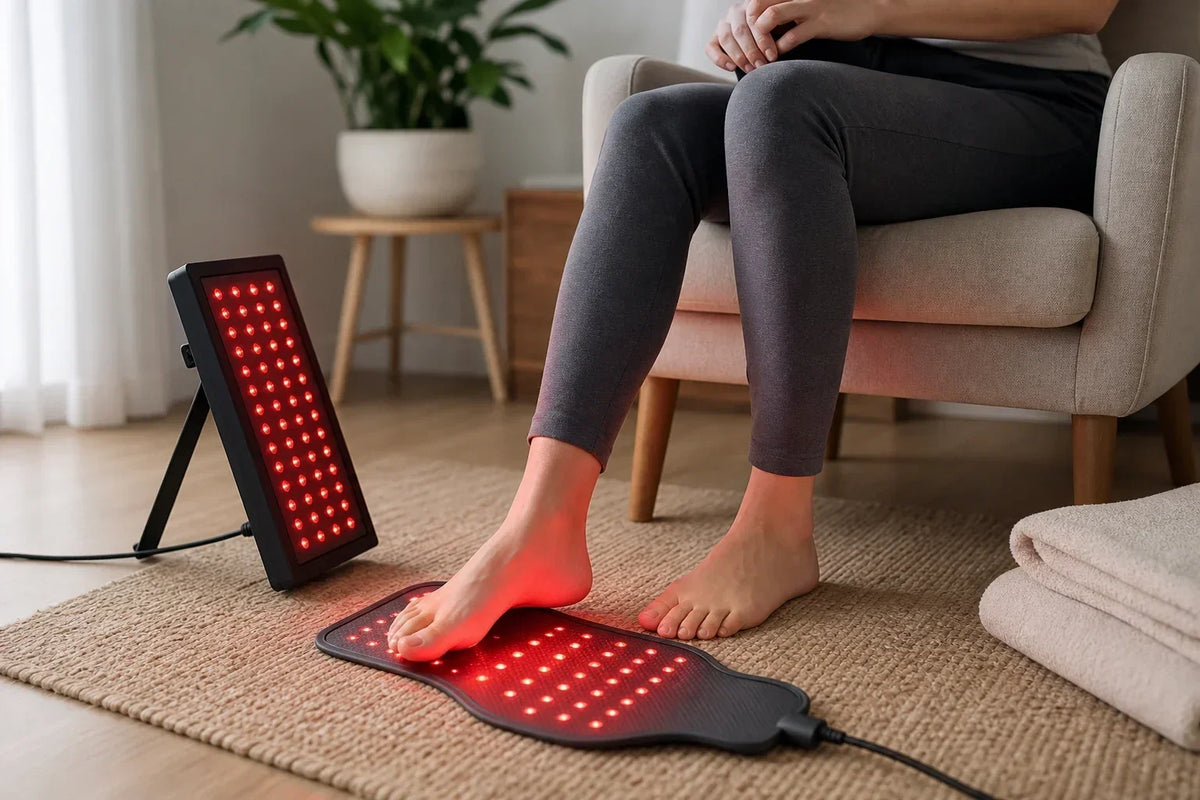
| Handheld red light device | Small-area home use | Easy to move, but harder to keep consistent |
| Pet-specific device | Designed with pet handling in mind | Still requires instructions and vet input |
Is Red Light Therapy Safe for Dogs?
The safest answer is: it depends on the dog, the device, the eyes, the distance, the session time, and the owner’s supervision. Dogs should never be left alone with a light panel. They should never stare directly into bright LEDs. They should be able to move away at any time.
MSD Veterinary Manual notes that professional photomedicine use requires proper eye-protection guidance and caution around specific situations. You can review the professional resource here: MSD Veterinary Manual photomedicine resource. For home owners, that means eye safety is not a small detail.
Dog Comfort Signs to Watch
A relaxed dog may lie down, breathe normally, and stay near you without tension. A dog that turns away, squints, pants heavily, whines, stands up, hides, or tries to leave is giving you information. Listen to it.
When to Stop the Session
Stop if your dog seems restless, warm, stressed, sleepy in an unusual way, or focused on escaping the setup. The goal is a calm routine, not a completed timer.
| Dog Signal | What It May Mean | Owner Response |
|---|---|---|
| Lies down calmly | Comfortable for now | Keep watching and keep session short |
| Turns head away | Light may feel too direct | Change angle or stop |
| Squints or avoids the panel | Eye comfort issue | Stop and reassess setup |
| Walks away | Dog is done | Let the dog leave |

How Long Should Red Light Therapy for Dogs Last?
There is no universal session time for every dog. Coat length, coat color, body size, distance, device power, and temperament all matter. For a home introduction, I would start with a very short session and focus on comfort first.
A practical owner-friendly approach is this: introduce the device while it is off, let your dog sniff the area, turn it on from a safe distance, keep the first session brief, and watch behavior closely. If your veterinarian gives a specific plan, follow that instead of a blog timeline.
Step-by-Step Home Routine for Pet Owners
If your veterinarian agrees that a home red light routine makes sense, keep it simple. The setup should feel calm enough that your dog does not associate the device with pressure.
Step 1: Ask Your Veterinarian First
Before using red light therapy for dogs at home, ask whether it fits your dog’s age, comfort level, coat type, and current care plan. Bring the device model or product page if possible.
Step 2: Set Up a Calm Space
Use a quiet room with a rug or dog bed. Keep water nearby. Remove shiny objects that may reflect light toward the eyes.
Step 3: Keep the Panel Off at First
Let your dog see and smell the device before the session. This makes the panel feel less strange.
Step 4: Start Short and Supervised
Turn the panel on at a comfortable distance. Keep the first session brief. Do not restrain your dog to finish the session.
Step 5: Track Behavior
Write down session time, distance, dog position, and behavior. If the dog seems more relaxed over time, you have a better routine foundation.
Can You Use a Yamuri-Style Panel Around Dogs?
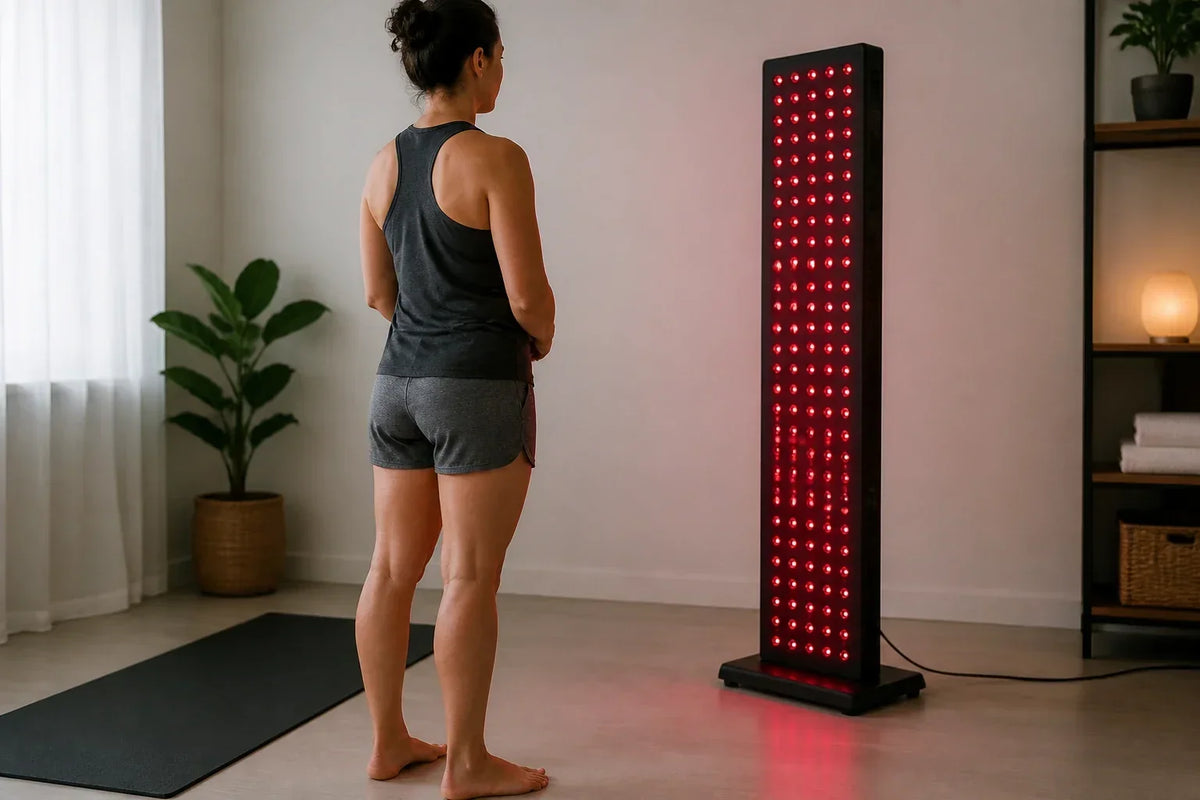
A red light panel can be easier to position than a tiny handheld device, especially if you want a calm room setup and do not want to hover over your dog. But a panel also requires more attention to distance, angle, brightness, and eye direction.
If you are comparing home devices, a 660nm red light and 850nm near-infrared panel can fit a bedroom, living room, or wellness corner. You can view a panel-style option here: Yamuri red light therapy panel. For pet use, the key point is not the biggest panel. It is the calmest and safest setup your dog will tolerate.
| Home Setup | Best For | What to Watch |
|---|---|---|
| Panel near dog bed | Calm supervised routine | Eye angle, distance, cable safety |
| Panel in living room | Dogs that relax near owners | Do not let the dog stare at LEDs |
| Handheld device | Small-area routine | Owner must hold it steadily |
| Professional session | Dogs needing a vet-led plan | Protocol is chosen by professionals |
Common Mistakes to Avoid
The first mistake is using a human routine on a dog without adjustment. Dogs have fur, different body sizes, different comfort signals, and different eye-safety needs. The second mistake is forcing the dog to stay in position. A pet-friendly routine must allow choice.
The third mistake is putting the panel too close because “closer must be better.” It is not that simple. Distance and time should come from the device instructions and veterinary guidance. The fourth mistake is making strong claims from a home device without professional input.
Buying Checklist for Dog Owners
Before buying a red light device for a dog-friendly home, check the details that affect real use. A beautiful product photo is not enough.
| Checklist Item | Good Sign | Warning Sign |
|---|---|---|
| Clear instructions | Distance, time, safety notes are easy to find | Only vague lifestyle claims |
| Stable setup | Panel stands securely and cables stay tidy | Easy to knock over |
| Eye safety guidance | Manual explains eye precautions | No mention of eyes or brightness |
| Vet conversation | You can show the specs to your vet | You are guessing everything yourself |
My Personal View
If someone asks me about red light therapy for dogs, I would not start with device power or marketing claims. I would start with the dog. Is the dog relaxed? Can the dog walk away? Are the eyes protected? Did a veterinarian agree this routine makes sense?
My honest advice is simple: treat red light as a supervised wellness routine, not a shortcut. If your dog enjoys quiet time near you, a carefully placed panel may fit into the home. If your dog is nervous, reactive, or uncomfortable around bright light, do not force it. The best routine is the one your dog accepts calmly and your veterinarian is comfortable with.
You can compare more home device formats in the red light therapy devices for home use collection, or continue reading practical guides in the Red Light Therapy Encyclopedia.