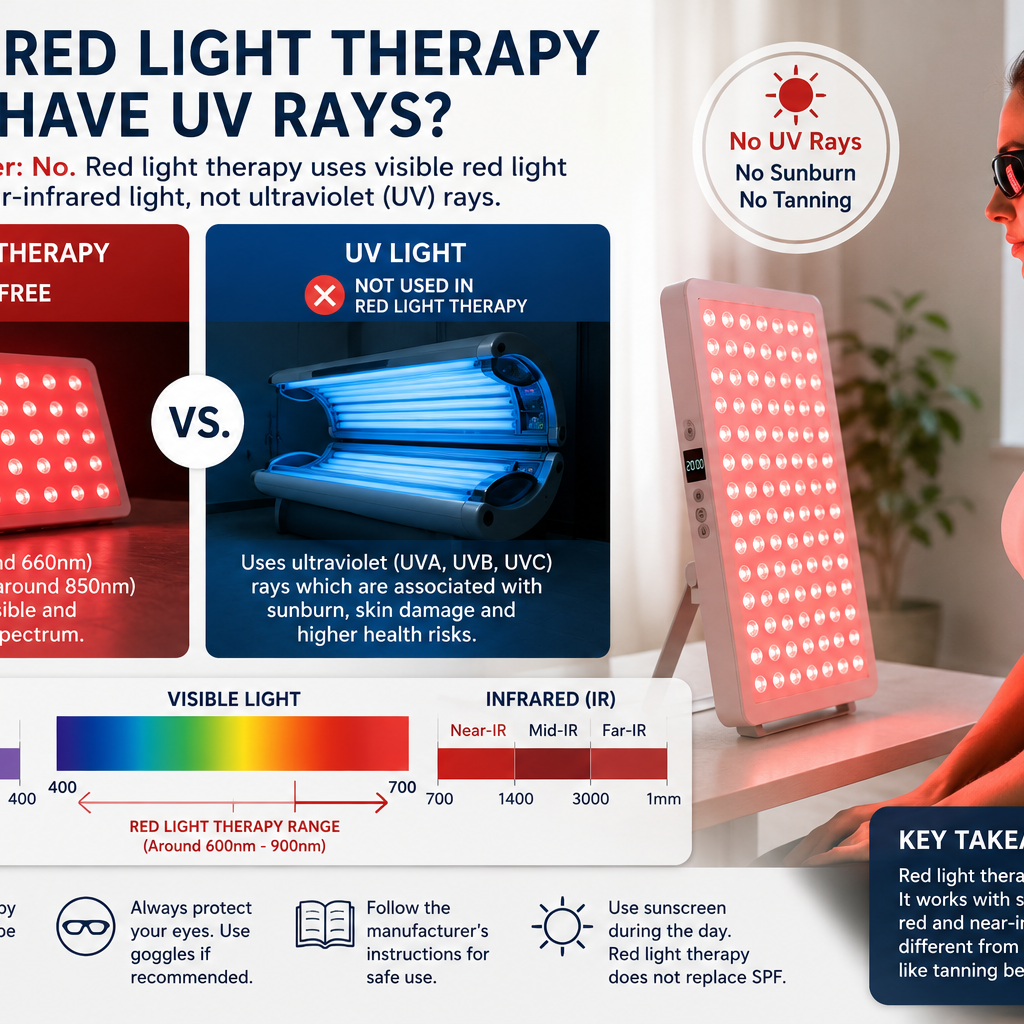
Does red light therapy have UV rays? In a properly designed red light therapy device, the answer should be no. Red light therapy uses red visible light and often near-infrared light, not ultraviolet light. That means it is not the same thing as a tanning bed, a UV lamp, or direct sun exposure. But that does not mean every glowing device is automatically safe to use however you want. You still need to check the wavelength, read the manual, protect your eyes when recommended, and avoid confusing red light panels with UV-based devices.
This is one of those questions where a simple “no” is helpful, but not enough. People ask it because they are worried about sunburn, skin aging, tanning beds, LED masks, eye strain, and whether they need sunscreen after a red light session. My honest take is simple: red light therapy is not UV therapy, but light safety still matters. The smart move is to understand what wavelength your device uses and how to use it correctly at home.
Quick Answer: Red Light Therapy Should Not Use UV Rays
Red light therapy typically uses red light in the visible spectrum, often around the 600 nm range, and some devices also include near-infrared wavelengths, commonly in the 800 nm range. UV light sits at shorter wavelengths than visible light. This is the key reason red light therapy and UV exposure should not be treated as the same thing.
Cleveland Clinic explains that red light therapy is different from the cancer-causing ultraviolet light found in the sun or tanning booths and says red light therapy does not use that type of light. You can review the overview here: Cleveland Clinic red light therapy overview.
| Light Type | General Wavelength Area | What It Means for Users |
|---|---|---|
| Ultraviolet light | Shorter than visible light, often grouped around 100-400 nm | Associated with sun and tanning-bed exposure concerns |
| Visible red light | Often described around 625-700 nm | The visible red range used in many LED red light devices |
| Near-infrared light | Longer than visible red light | Often paired with red light in home panels, usually not visible |
| Tanning-bed UV | UV-focused exposure | Not the same category as a red light therapy panel |
Why People Confuse Red Light Therapy with UV Light
The confusion makes sense. Red light therapy, tanning beds, LED masks, UV lamps, and infrared saunas all use light-related language. To a normal shopper, “light therapy” can sound like one big category. But different wavelengths behave differently.
A tanning bed is designed around UV exposure. A red light therapy panel is designed around red and sometimes near-infrared wavelengths. A gel nail lamp may involve UV or UV-adjacent curing technology. An LED face mask may use red, blue, amber, or near-infrared LEDs depending on the model. The device category matters.
The better question is not just “does red light therapy have UV rays?” It is “what wavelengths does this exact device emit, and does the brand clearly state that it does not emit UV?”

Red Light vs UV Light: The Simple Difference
NASA explains that ultraviolet waves have shorter wavelengths than visible light. Red light is part of visible light. That means red light and UV light are not the same wavelength family. You can read NASA’s education page here: NASA ultraviolet waves explanation.
A PubMed/PMC review of visible light describes red visible light as a color band around 625-700 nm, while ultraviolet radiation is separate from visible light. You can review the article here: NIH/PMC visible light wavelength review.
| Question | Red Light Therapy | UV Exposure |
|---|---|---|
| Is it visible? | Red light is visible; near-infrared may not be | UV is usually invisible to humans |
| Is it used for tanning? | No, proper red light therapy is not a tanning method | UV exposure is associated with tanning |
| Can it replace sunscreen? | No | UV exposure is why daytime sun protection matters |
| Should you follow safety instructions? | Yes, especially for eyes and session time | Yes, UV exposure needs strict caution |
Does Red Light Therapy Cause Tanning?
No, red light therapy should not tan your skin the way UV exposure can. Tanning is linked to the skin responding to UV exposure. Red light therapy is not designed to darken the skin or create a sun-tan effect.
If a red light device is being promoted like a tanning bed, I would slow down and read the product details carefully. Some salons may use the words “red light” and “tanning” in the same space, but the device function matters. A proper red light panel is not the same as a UV tanning booth.
What If a Salon Offers Red Light and Tanning?
Ask whether the session is red light only, UV tanning only, or a combination. Do not assume based on the room color. Ask what wavelengths are used and whether UV exposure is part of the service.
What If a Device Says “Full Spectrum”?
Full spectrum can be a confusing phrase. For home red light therapy, you want clear wavelength information, not vague language. Look for specific numbers and a clear statement about UV-free operation.
Do LED Red Light Masks Have UV Rays?
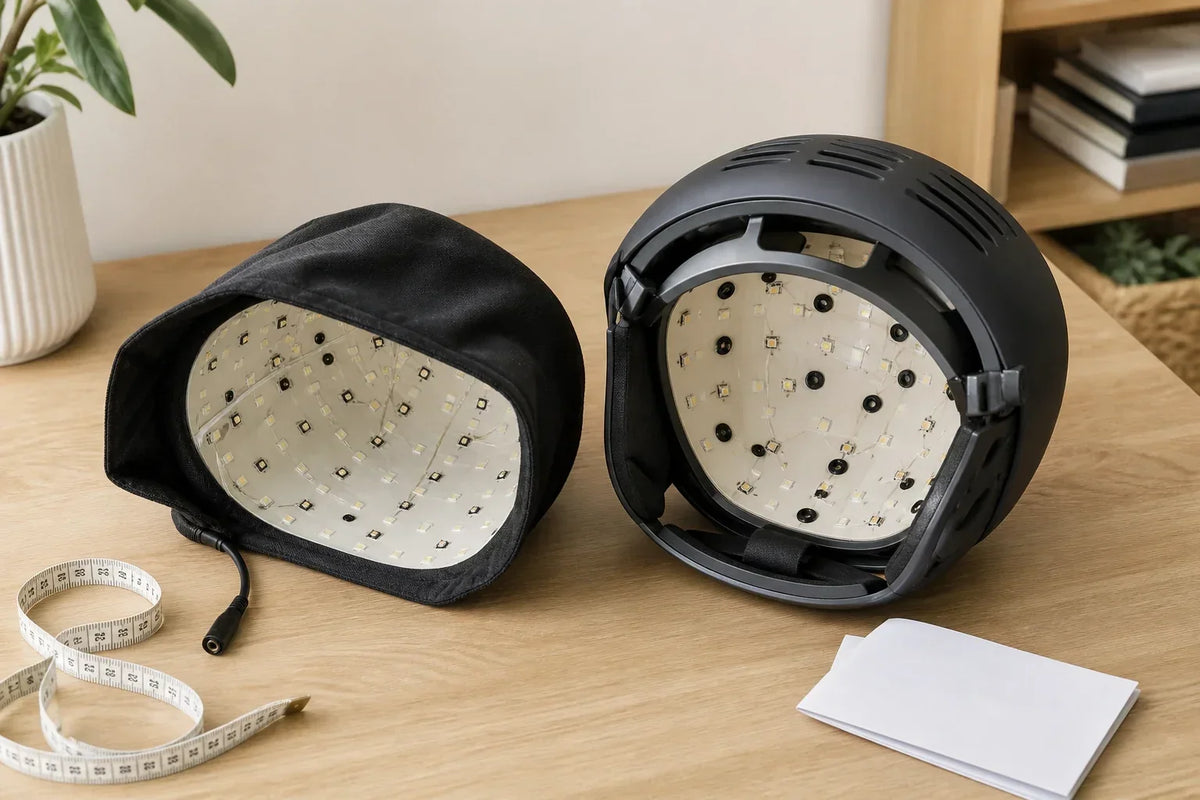
A proper red LED face mask should not rely on UV rays. Most red LED masks are built around visible red light and sometimes near-infrared LEDs. Still, not every product listing is equally clear. Some low-quality listings use broad marketing language and do not show wavelength details.
Cleveland Clinic’s LED light therapy guide explains that LED therapy uses various visible colors and near-infrared light, with different colors reaching different depths. It also notes that at-home devices should be used according to instructions. You can read it here: Cleveland Clinic LED light therapy guide.
| Device Type | Should It Have UV? | What to Check |
|---|---|---|
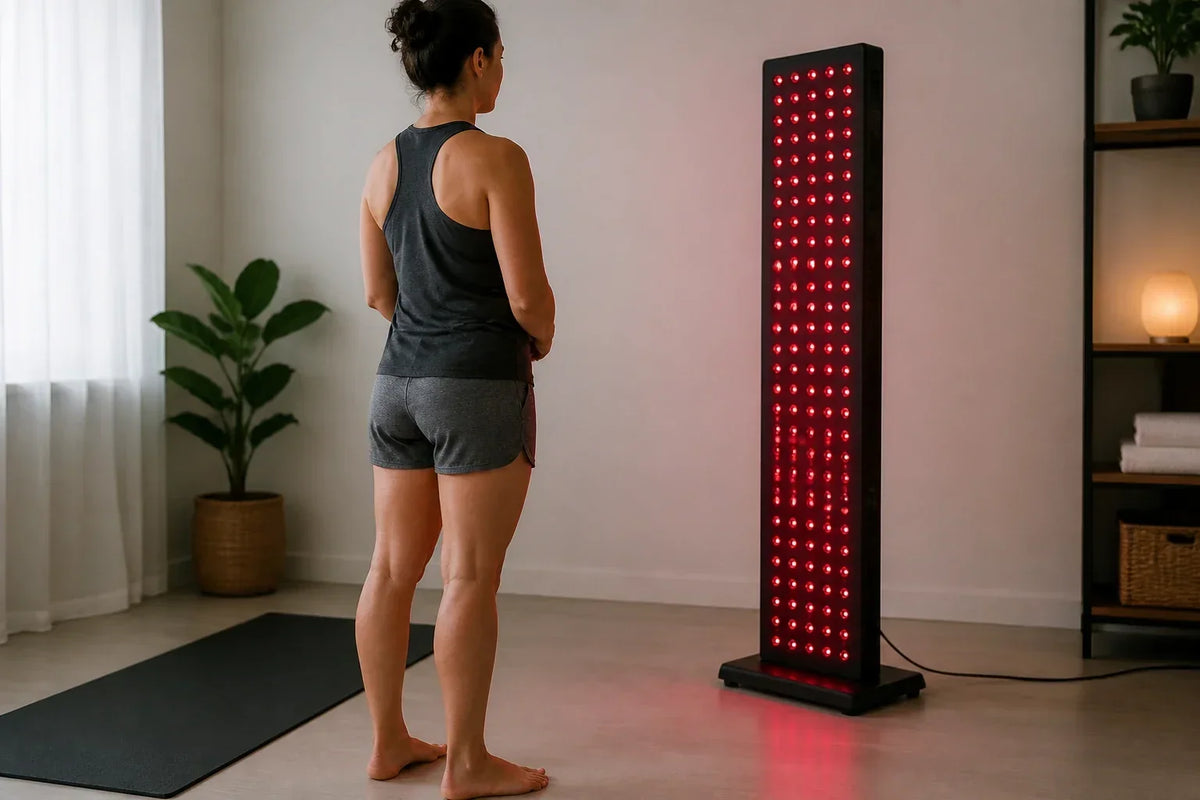
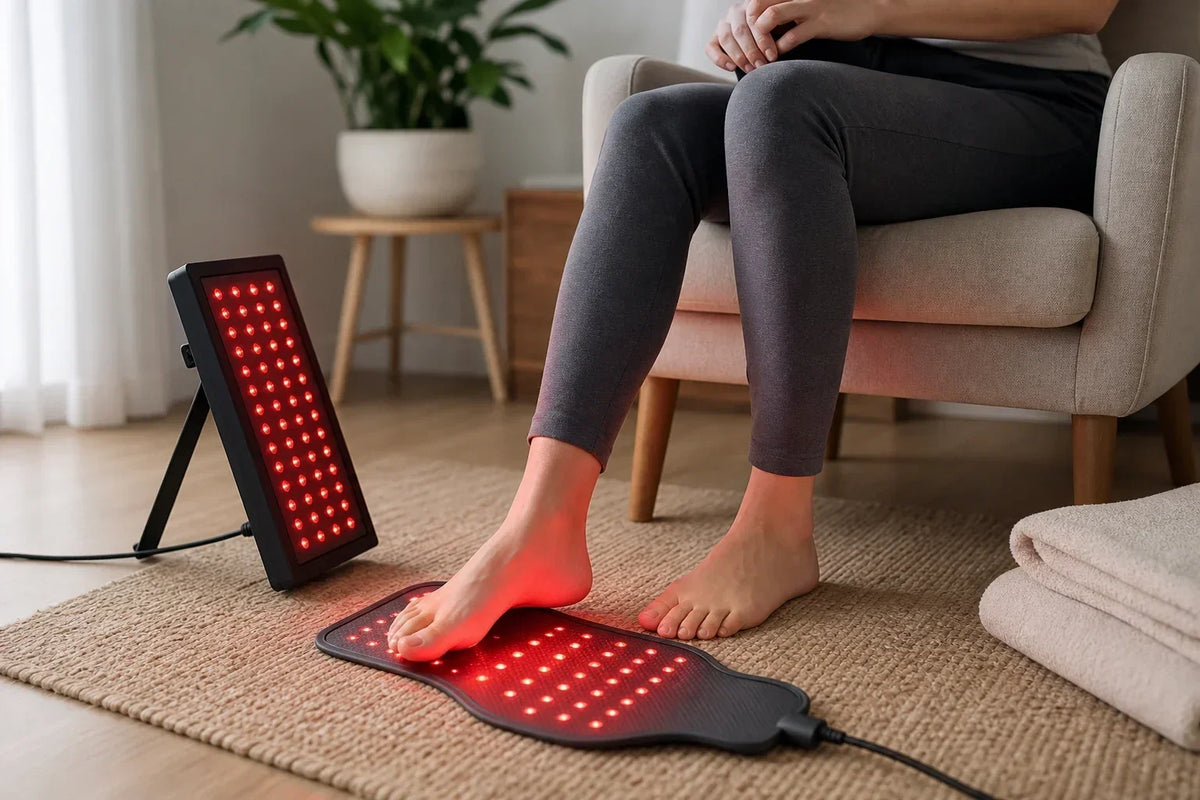
| Red light panel | No, if it is truly red and near-infrared LED | Wavelengths, manual, UV-free statement |
| LED face mask | No, if it is a red LED skincare mask | LED colors, eye guidance, device certification |
| Gel nail lamp | May involve UV-related curing light | Do not confuse it with red light therapy |
| Tanning bed | Yes, UV exposure is central to tanning | Not a red light therapy substitute |
Can Red Light Therapy Damage Skin Like UV?
Red light therapy is not UV exposure, so it should not be judged as if it were sunlight or a tanning booth. Harvard Health states that unlike ultraviolet light, which can cause skin cancer, red light therapy has not shown the same risk in the same way. You can review their consumer guide here: Harvard Health red light therapy guidance.
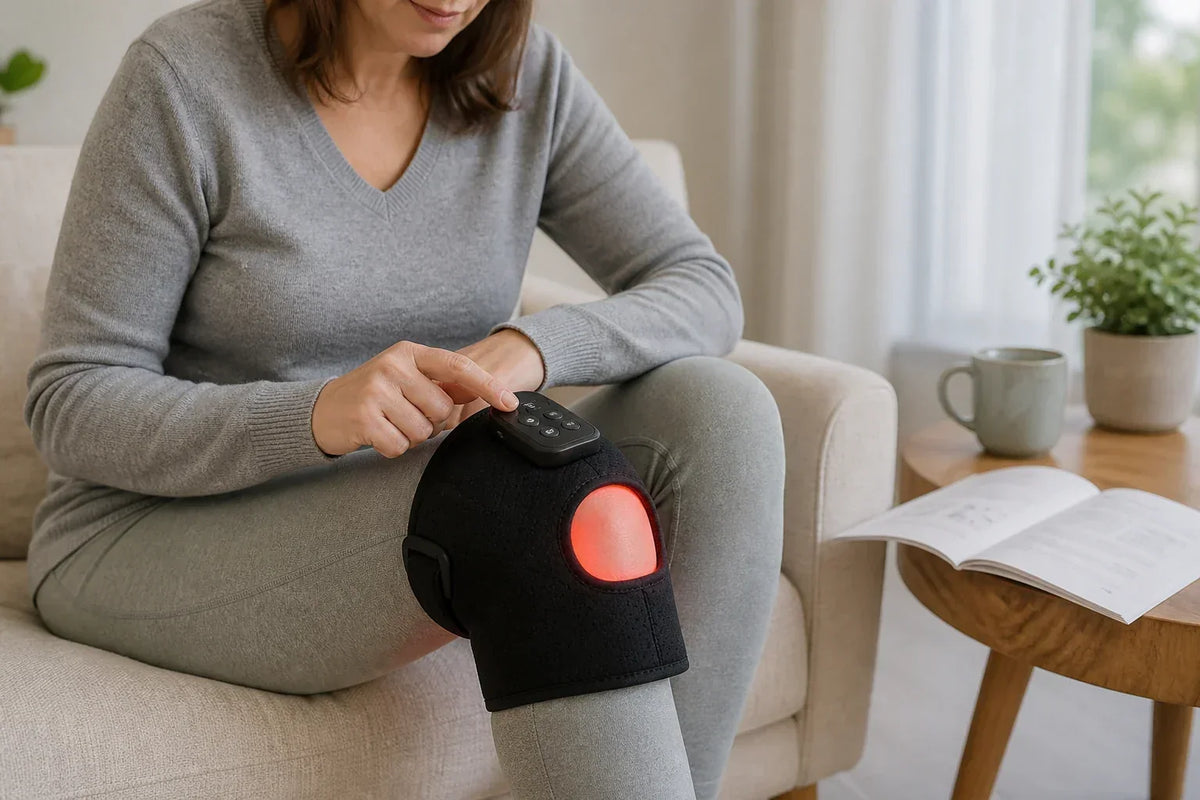
That said, careful wording matters. “No UV” does not mean “no rules.” A bright home device can still be uncomfortable if used too close, too long, or without eye protection when the manual recommends it. Some people may also need to be cautious if they take light-sensitive medications or have light-sensitive conditions.
Does Red Light Therapy Require Sunscreen?
You do not need sunscreen because of a red light session itself, assuming your device is truly UV-free. But you still need sunscreen during daytime outdoor exposure as part of normal skincare. Red light therapy does not replace SPF.
This is an easy routine rule: red light session indoors, then normal skincare. If it is daytime and you are going outside, sunscreen belongs at the end of your morning routine. If it is nighttime and you are staying indoors, SPF is not needed just because you used red light.
| Situation | Do You Need SPF Because of Red Light? | Better Rule |
|---|---|---|
| Night red light session | No | Cleanse, red light, serum, moisturizer |
| Morning red light session indoors | Not because of red light | Use SPF if you will have daytime sun exposure |
| Outdoor plans after session | Use SPF for sunlight | Red light does not replace sun protection |
| Tanning bed session | Different category | Do not confuse tanning with red light therapy |
What About Eye Safety?
Eye safety is still important even when UV is not involved. Red light devices can be bright, and near-infrared light may not feel obvious to the eye. If your device recommends goggles, use them. If you are using a panel near the face, do not stare directly into the LEDs.
Harvard Health notes that eye protection may be recommended depending on the device. The American Academy of Dermatology also recommends following device directions and choosing a red-light device carefully for at-home use. You can review the AAD overview here: AAD red light therapy safety overview.
Simple Eye Rules for Home Users
Do not stare into the LEDs. Use goggles if the manual recommends them. Be more careful with face panels and masks. Stop if the light feels uncomfortable. Keep children and pets from looking directly into the panel.
How to Check Whether a Red Light Device Is UV-Free
This is the practical buyer section I wish more articles included. Do not rely only on product photos. A red glow is not proof. A safe buying decision needs specs, manual clarity, and realistic claims.
Step 1: Look for Wavelength Numbers
For red light therapy, you should see red and near-infrared wavelength information, such as 660nm and 850nm. If a page only says “powerful light” without numbers, I would be cautious.
Step 2: Look for a UV-Free Statement
The brand should clearly say whether the device emits UV. If the product page does not mention it, check the manual or ask customer support.
Step 3: Read the Eye-Safety Section
A serious device manual should explain eye precautions, distance, session time, and who should avoid or ask a professional before use.
Step 4: Avoid Tanning-Language Confusion
If a product or salon mixes tanning language with red light language, ask direct questions. Is UV exposure part of the session? What wavelengths are used? Is this a red light panel or a tanning device?
| Buyer Check | Good Sign | Warning Sign |
|---|---|---|
| Wavelengths | Specific red and near-infrared numbers listed | Only vague “full spectrum” wording |
| UV statement | Clear UV-free explanation | No mention of UV at all |
| Manual | Distance, time, and eye safety are explained | No detailed usage guidance |
| Claims | Careful general wellness wording | Strong promises or tanning-style language |
| Support | Brand can answer wavelength questions | Customer support cannot explain the device |
Red Light Therapy vs Tanning Beds
This comparison deserves its own section because many users worry about tanning beds. A tanning bed uses UV exposure to darken the skin. A red light therapy device should use red and near-infrared light without UV exposure. They may both involve lying or sitting near a glowing device, but they are not the same category.
If you are in a spa or salon, ask what service you are receiving. Some businesses may offer both red light sessions and tanning services. The room color alone does not tell you what wavelengths are present.
| Feature | Red Light Therapy | Tanning Bed |
|---|---|---|
| Main light category | Red and often near-infrared light | Ultraviolet light |
| Goal | General wellness or appearance-focused routine | Tanning |
| Should it tan skin? | No | Yes, that is the point |
| Home user concern | Eyes, timing, device specs | UV exposure risk |
Are Blue, Red, and Near-Infrared LED Devices the Same?
No. LED devices can use different colors and wavelengths. Blue light, red light, amber light, and near-infrared light are not the same. A mask with several modes may have different settings for different routines.
For this keyword, the important point is simple: red LED and near-infrared LED are not UV by default. But a multi-light device should still explain its wavelength ranges clearly. If a device uses UV, the brand should say so clearly because UV is a different safety category.
Does “Near-Infrared” Mean UV?
No. Near-infrared is not ultraviolet. It is on the longer-wavelength side beyond visible red light. UV is on the shorter-wavelength side beyond violet light. They sit on opposite sides of the visible spectrum.
This is a common misunderstanding because both are invisible to the human eye. UV is invisible, and near-infrared is often invisible too. But invisibility does not make them the same. Their wavelengths and safety context are different.
Can Red Light Therapy Be Used Every Day?
Some devices may be designed for frequent use, but session timing should come from the manual. Since this article is about UV, the key point is that daily use is not a UV-exposure question if the device is UV-free. It is a device-instruction question.
More time is not automatically better. A short, repeatable session used as directed is usually a smarter routine than long sessions based on guesswork. If you take photosensitive medication or have a light-sensitive condition, ask a qualified professional before starting.
Common Mistakes to Avoid
The first mistake is assuming every light-based device is the same. Red light panels, tanning beds, gel nail lamps, infrared saunas, and LED masks are different products. The second mistake is thinking “no UV” means “no safety rules.”
The third mistake is skipping the manual. Home devices can vary in brightness, recommended distance, and session time. The fourth mistake is trusting vague marketing language without checking wavelengths.
The FTC reminds businesses that health-related product claims should be truthful, not misleading, and supported by reliable evidence. You can read the guidance here: FTC Health Products Compliance Guidance. For shoppers, this is useful too: trust clear specifications more than dramatic claims.
| Mistake | Why It Matters | Better Move |
|---|---|---|
| Confusing red light with UV | Leads to wrong safety assumptions | Check wavelength ranges |
| Thinking no UV means no eye care | Bright light can still bother eyes | Follow goggles guidance |
| Skipping sunscreen outdoors | Sunlight is still UV exposure | Use SPF for daytime sun exposure |
| Buying vague “light therapy” products | Specs may be unclear | Look for wavelength and UV-free details |
| Overusing the device | More time is not automatically better | Use the manual’s timing |
My Personal View
If someone asks me, “does red light therapy have UV rays?” I would answer: a proper red light therapy panel or LED mask should not use UV rays. It should use red visible light and possibly near-infrared light. That is why it should not be confused with a tanning bed.
My honest advice is to treat “UV-free” as the starting point, not the whole safety conversation. Check the wavelengths. Read the manual. Use eye protection if recommended. Do not stare into bright LEDs. Use sunscreen for sunlight, not because red light creates UV. A clean, well-labeled device and a simple routine will always feel better than guessing from a glowing product photo.
References
- Cleveland Clinic: Red Light Therapy Overview
- Cleveland Clinic: LED Light Therapy Guide
- Harvard Health: Red Light Therapy for Skin Care
- NASA: Ultraviolet Waves
- NIH/PMC: Visible Light Wavelength Review
- American Academy of Dermatology: Red Light Therapy Safety
- FDA: General Wellness Policy for Low Risk Devices
- FTC: Health Products Compliance Guidance