How to tell if red light therapy is working? Learn the signs, timeline, tracking tips, and common mistakes for at-home red light panels, masks, and wands.
How to tell if red light therapy is working? The practical answer is not to look for one dramatic overnight change. Look for small, repeatable changes over several weeks: skin that looks more even in the same lighting, a smoother-looking texture, a calmer-looking post-routine appearance, better routine consistency, and comfort using the device as directed. If you are using a home red light panel, mask, or wand, the real test is not one mirror check after one session. It is whether your photos, schedule, distance, and skin routine show steady progress after consistent use.
This is where many people get frustrated. They use a device for a week, stare in the bathroom mirror, and wonder if anything is happening. I get it. When you buy a home red light device, you want to know whether your time is paying off. The better question is not “Do I see a huge change today?” It is “Am I tracking the right signs, using the right setup, and giving the routine enough time to make sense?”
Quick Answer: The Best Signs Are Gradual and Trackable
If red light therapy is working for your at-home routine, you usually notice progress in a quiet way. Your skin may look a little more refreshed in morning light. Your routine may feel easier to keep. Your before-and-after photos may show a more even-looking tone or smoother-looking texture after several weeks.
The mistake I would avoid is judging the device after one or two uses. A red light routine is more like fitness or skincare than makeup. It works through consistency, not instant coverage. Cleveland Clinic notes that at-home LED light devices should be used according to instructions and that users should pay attention to FDA-cleared or FDA-approved labeling and eye protection guidance. You can read their overview here: Cleveland Clinic LED Light Therapy Overview.
| What to Track | Good Sign | Not a Reliable Sign |
|---|---|---|
| Photos | Same lighting shows gradual visual improvement | One flattering selfie after a session |
| Routine consistency | You use the device as directed for several weeks | Random sessions with no schedule |
| Skin appearance | Smoother-looking texture and more even-looking tone | Expecting a dramatic overnight change |
| Device setup | Correct distance, time, and eye protection | Guessing distance or overusing sessions |
Why People Search “How to Tell If Red Light Therapy Is Working”
Most people ask this after they have already started. They bought a red light mask, a handheld wand, or a panel. They followed the excitement for a few days, then reality showed up. Is this doing anything? Should I use it longer? Should I stand closer? Is my device too weak?
That is why a clear tracking system matters. Without one, you may judge your progress based on mood, bathroom lighting, or a single close-up photo. With one, you can make smarter decisions about your routine, device type, distance, and session schedule.

What Timeline Should You Expect?
There is no universal timeline for every person or every device. Home devices vary by wavelength, power, coverage, fit, and instructions. Your routine also matters. A person using a panel consistently will have a different experience from someone using a small wand once in a while.
A controlled trial published on NIH/PMC found improvements in skin complexion, skin feeling, roughness, and collagen density after repeated red and near-infrared light sessions. You can review the study here: NIH/PMC red and near-infrared light study. For a home user, the takeaway is simple: repeated use matters more than one session.
| Timeframe | What You May Notice | What to Do |
|---|---|---|
| First week | Better routine awareness, warmth or comfort depending on device | Focus on learning distance, time, and fit |
| Weeks 2-4 | Subtle appearance changes may begin for some users | Take comparison photos in the same lighting |
| Weeks 6-8 | Texture and tone changes may be easier to compare | Review consistency before changing devices |
| Weeks 8-12 | A more realistic window for judging your routine | Decide whether to continue, adjust, or upgrade |
How to Track Red Light Therapy Results at Home
The best way to tell if red light therapy is working is to remove guesswork. I would not rely on memory. Take simple photos and write down your routine. It does not need to feel scientific. It just needs to be consistent.
Step 1: Take Baseline Photos
Take photos before starting. Use the same room, same lighting, same distance from the camera, and same facial expression or body position. For face routines, take front, left, and right angles.
Step 2: Record Your Routine
Write down device type, session time, distance, frequency, and whether you used eye protection. If you use a panel, note whether you sat, stood, or changed position. This helps you identify what actually happened.
Step 3: Review Every Two Weeks
Do not check progress every day. Daily checking creates frustration. Review every two weeks, then again around week eight. This gives your routine a fair chance.
Step 4: Compare Only Same-Lighting Photos
Bathroom mirrors lie. Warm lighting, sleep, stress, skincare, and camera angle all change how you look. Same-lighting photos are more honest.
Signs Your Red Light Routine May Be Working
For skincare-focused users, look for smoother-looking texture, more even-looking tone, and a fresher post-routine appearance. For body-focused users, look for whether the routine feels easier to keep and whether your setup supports consistent use.
The American Academy of Dermatology notes that red light devices are used by many people for skin and hair appearance goals, while also emphasizing that results and research quality can vary. You can read their consumer guidance here: AAD red light therapy guidance.
| Goal | Useful Sign to Track | Better Tracking Method |
|---|---|---|
| Face routine | Smoother-looking texture | Same-lighting photos every 2 weeks |
| Body routine | Routine consistency and comfort | Usage log and setup notes |
| Home gym routine | Easy post-workout habit flow | Track how often you use it after movement |
| Skincare routine | Better product routine discipline | Keep cleanser, mask, serum, and moisturizer order steady |
Signs You May Be Using It Wrong
If you are not seeing any progress after several weeks, do not immediately blame the device. First check your routine. Are you using it often enough? Are you too far away? Are sessions too short? Are you skipping weeks? Are you using the device over thick skincare or sunscreen when the manual says clean skin?
Harvard Health suggests looking for FDA-cleared labeling, avoiding use with light-sensitive conditions or medications, and using eye protection if the device directions recommend it. You can read their guidance here: Harvard Health red light therapy guidance.
Common Setup Mistakes
The most common mistakes are inconsistent sessions, guessing distance, using a device that is too small for your goal, not cleaning the device, and judging results too early.
When a Panel Makes More Sense
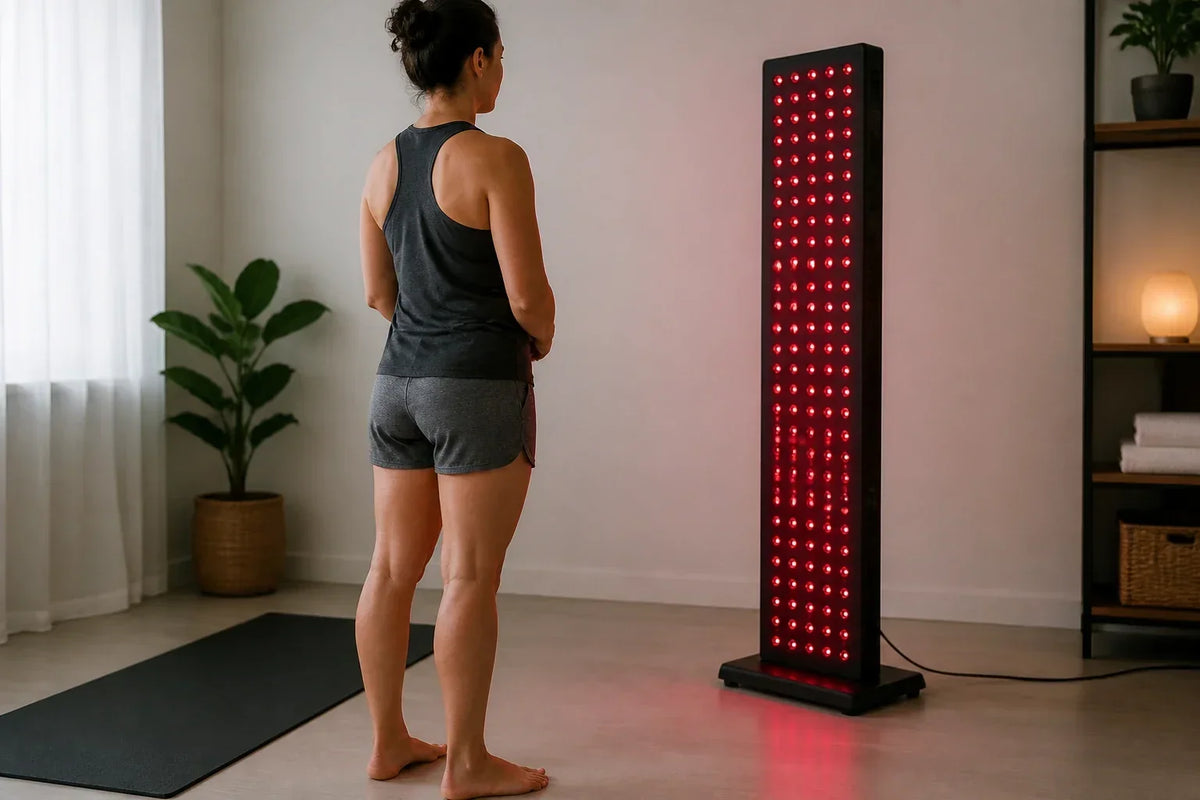
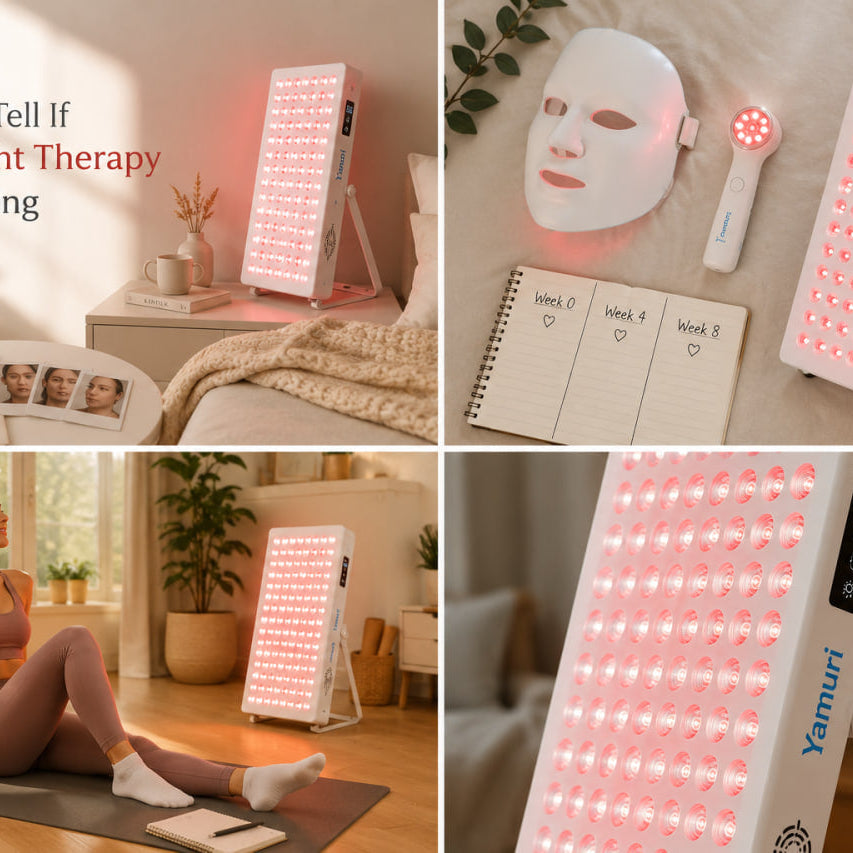
If you want broader home coverage, a panel is usually more flexible than a small handheld device. A 660nm red light and 850nm near-infrared panel can fit bedroom, home gym, or wellness-room routines. For users comparing devices, the Yamuri red light therapy panel is the type of setup that may make more sense than a tiny device when coverage and consistency matter.
How Long Before You Decide It Is Not Working?
My honest take: do not judge too early. If you used the device randomly for two weeks, you have not really tested it. A fair test usually means following the manual consistently for at least 8 weeks, then comparing photos and routine notes.
That does not mean you should keep going forever if the routine feels wrong. If the device is uncomfortable, hard to use, too bright, unstable, or impossible to fit into your home, the problem may be the setup rather than the idea of red light itself.
Device Type Matters: Panel, Mask, or Wand?
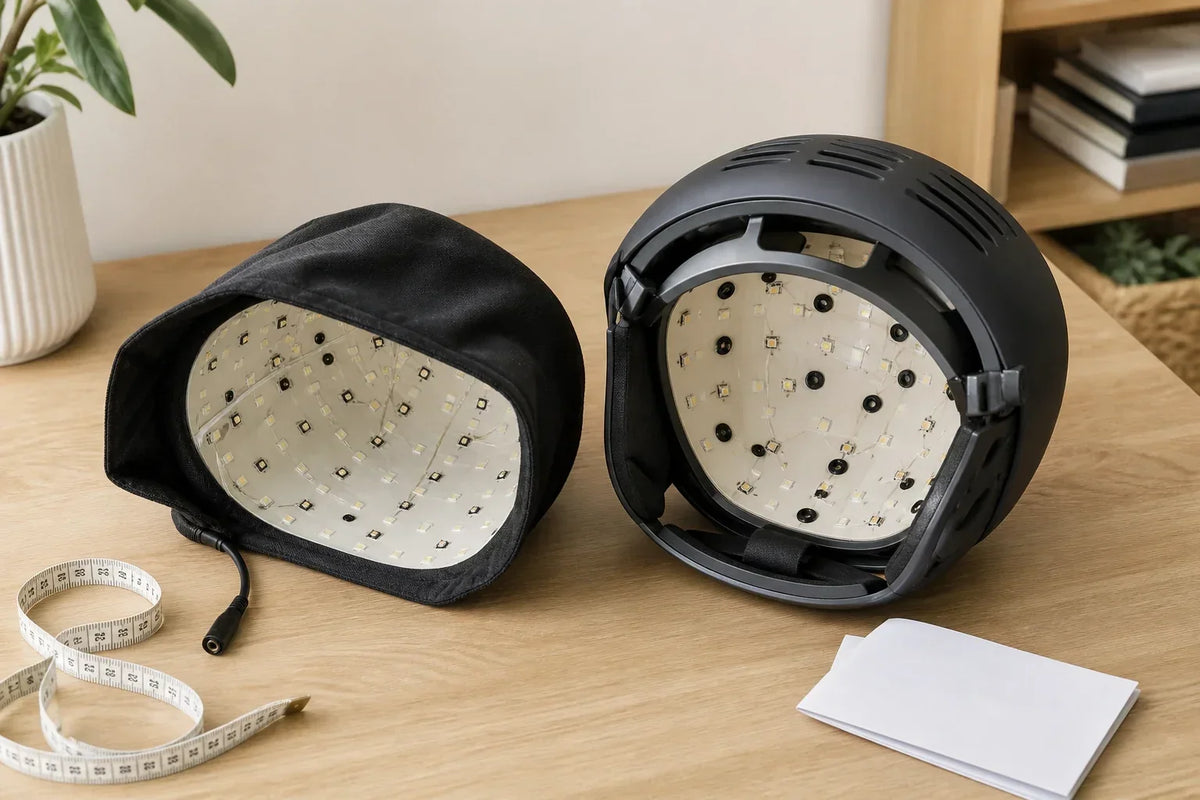
A mask is simple for face-only routines. A wand is portable but slower for larger areas. A panel is more flexible for face and body use. The right device affects how easily you can stay consistent, and consistency is one of the biggest clues that your red light routine has a chance to work.
| Device Type | Best For | How to Track Progress |
|---|---|---|
| LED face mask | Face skincare routine | Front and side face photos every 2 weeks |
| Handheld wand | Small areas and travel | Track exact area and session time |
| Red light panel | Face, body, home gym, shared use | Track distance, body position, and frequency |
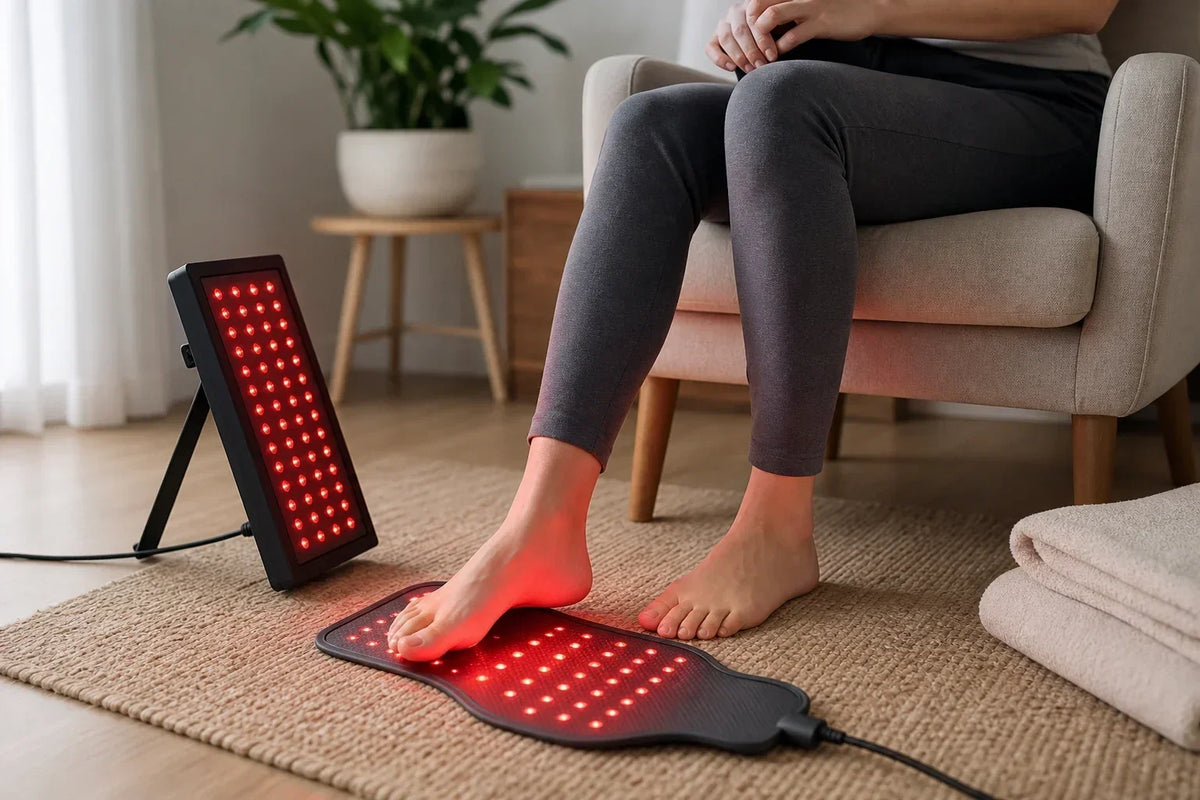
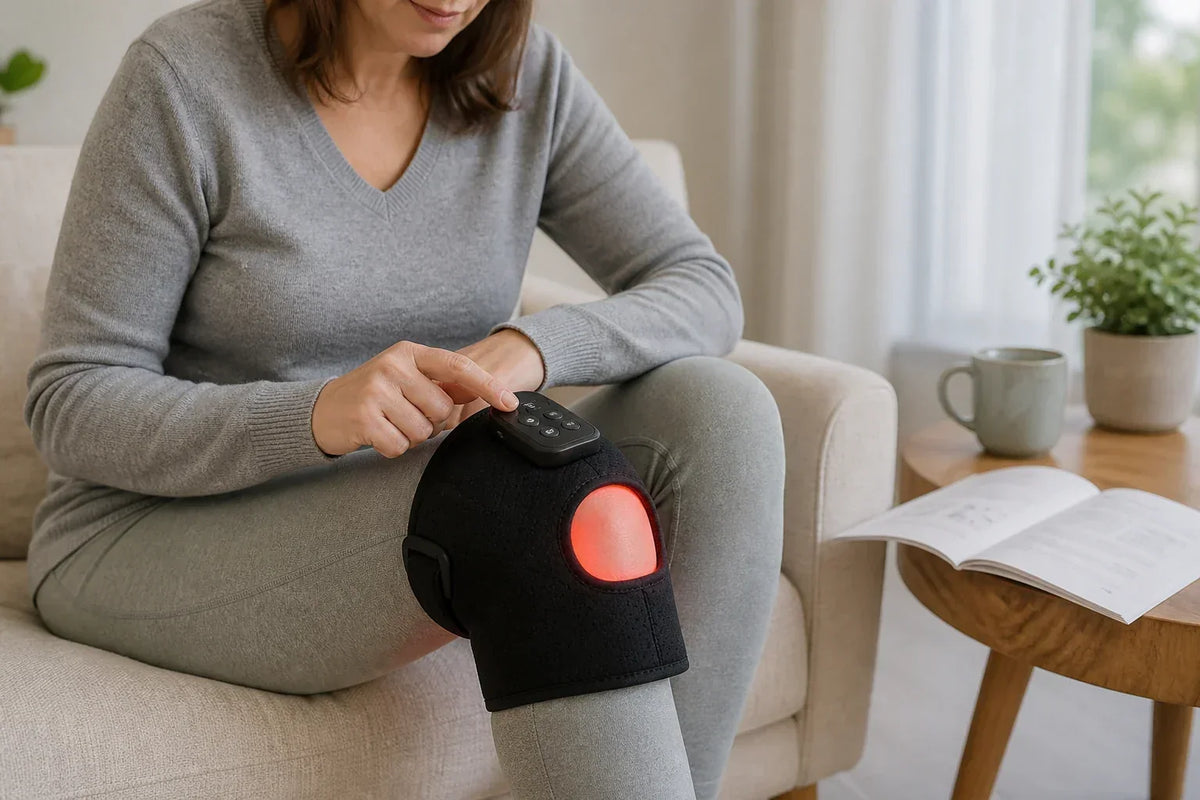
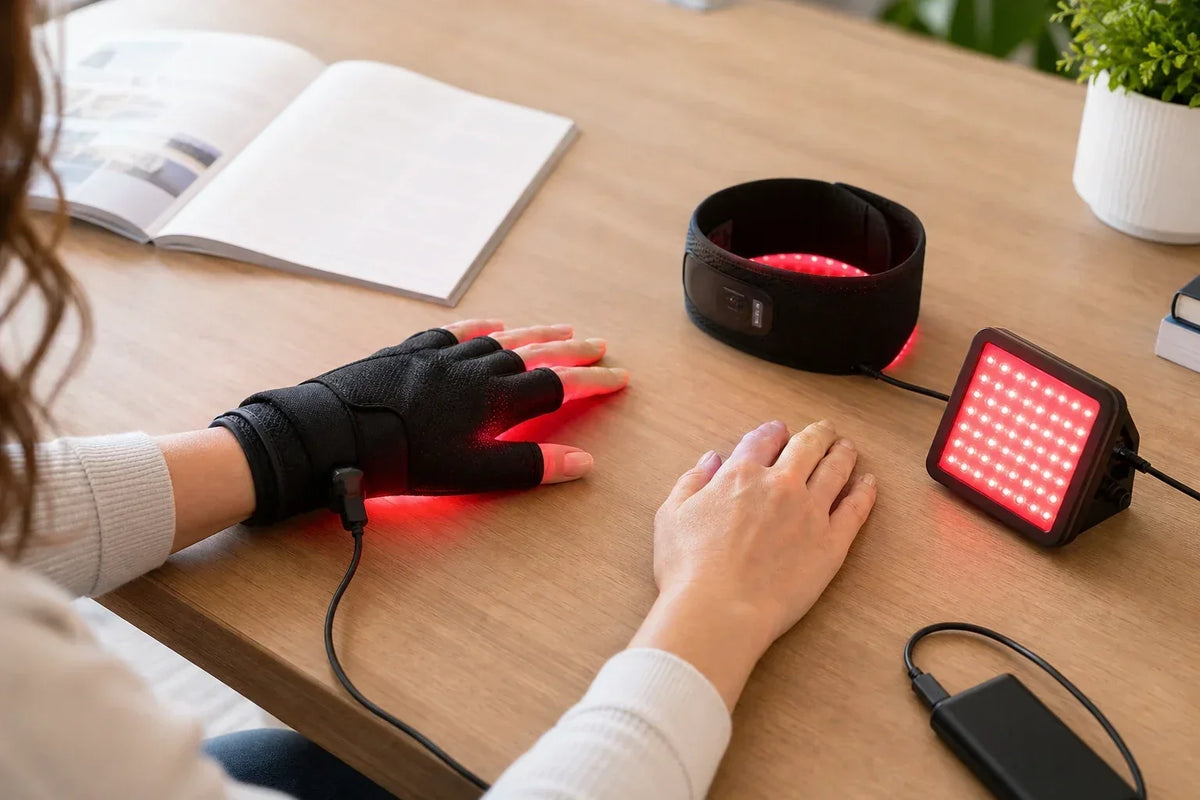
| Mat or wearable device | Relaxed routine or one specific area | Track comfort, use time, and cleaning routine |
If you are still choosing a device, you can compare broader options in the red light therapy devices for home use collection, or read more educational guides in the Red Light Therapy Encyclopedia.
What Not to Count as Progress
Do not count temporary redness from warmth, flattering lighting, a good sleep night, or fresh moisturizer as proof. These can make your skin look different without proving your red light routine is the reason.
The FTC reminds brands that health-related product claims should be truthful, not misleading, and supported by reliable evidence. You can review the guidance here: FTC Health Products Compliance Guidance. I think users should apply the same standard to their own expectations. Look for steady patterns, not one lucky mirror moment.
Simple 8-Week Tracking Plan
If you want a clear answer, try this simple tracking plan. It works for a mask, panel, or wand, and it keeps the process honest.
| Week | Action | What to Check |
|---|---|---|
| Week 0 | Take baseline photos and read the manual | Device distance, time, eye protection, routine order |
| Weeks 1-2 | Follow the device schedule | Comfort, ease of use, setup friction |
| Week 4 | Take comparison photos | Subtle changes in texture, tone, and routine consistency |
| Week 8 | Review photos and usage log | Decide whether to continue, adjust, or change device type |
My Personal View
If someone asks me, “How to tell if red light therapy is working?” I would tell them to stop checking the mirror every night and start tracking the routine like a calm experiment. Same lighting, same distance, same schedule, same device settings. That gives you a much better answer than guessing.
My honest advice is this: give your device a fair 8-week test, use it exactly as directed, and judge progress by photos and consistency, not hype. If your setup is easy to repeat and the changes are slowly moving in the right direction, that is a good sign. If the routine feels annoying, random, or too small for your goal, adjust the setup before deciding red light is not working.