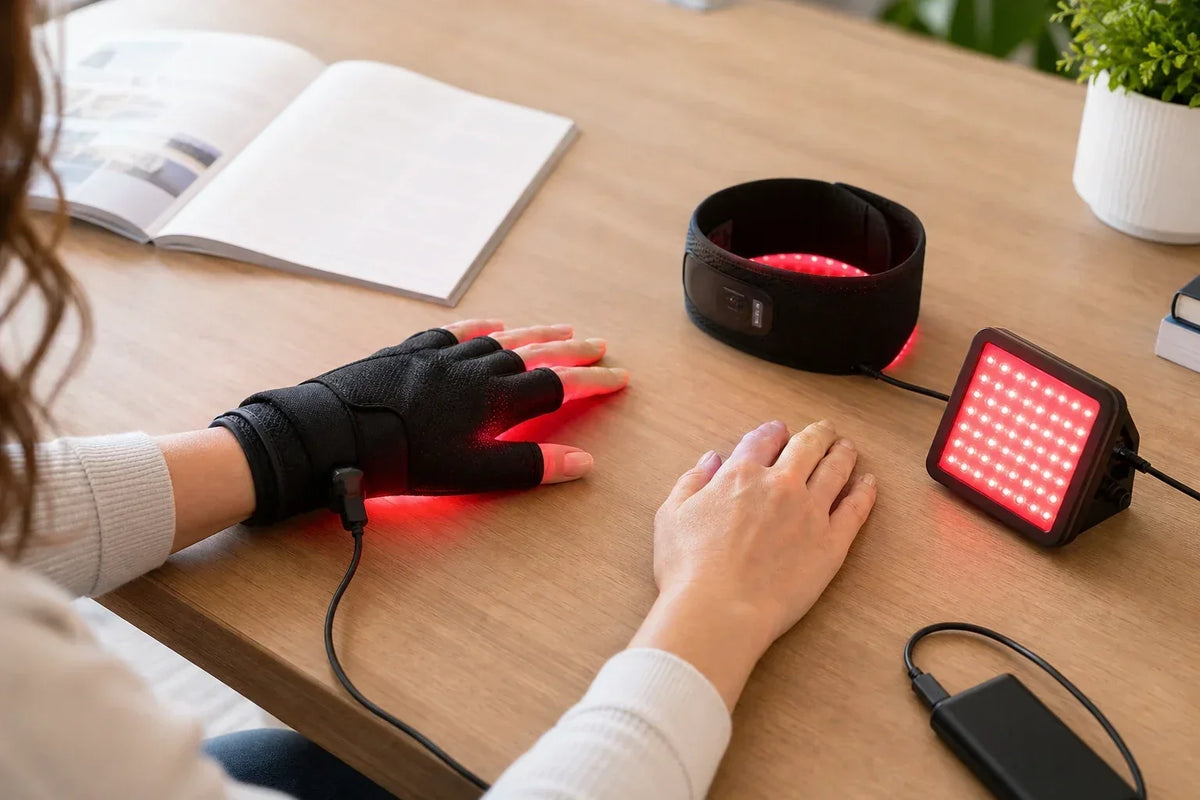
Compare the best red light therapy devices for home use, including panels, LED masks, wands, and mats. Learn how to choose by coverage, space, routine, and budget.

Editorial Review: This guide was created with reference to public guidance from the FDA, FTC, Cleveland Clinic, Harvard Health, and the American Academy of Dermatology. It is written for at-home wellness and beauty device education, not medical advice.
Best red light therapy devices for home use is a tricky search because “best” does not mean the same thing for everyone. A face mask may be best if you only care about a simple skincare routine. A large red light panel may be best if you want broader body coverage at home. A wand may be best if you want something small and easy to store. The real question is not “which device looks most popular online?” The better question is: which red light device fits your space, your routine, your budget, and the area you actually want to use it on?
That is the angle I would use as a buyer. Do not start with the most expensive device. Start with your daily routine. If the product is hard to set up, too bright for your room, uncomfortable to hold, or annoying to clean, it will quietly end up in a drawer. This guide compares red light panels, LED masks, handheld wands, mats, and wearable devices in a practical American home-use way, so you can choose with less confusion and fewer expensive mistakes.

Quick Answer: The Best Home Device Depends on Your Use Case
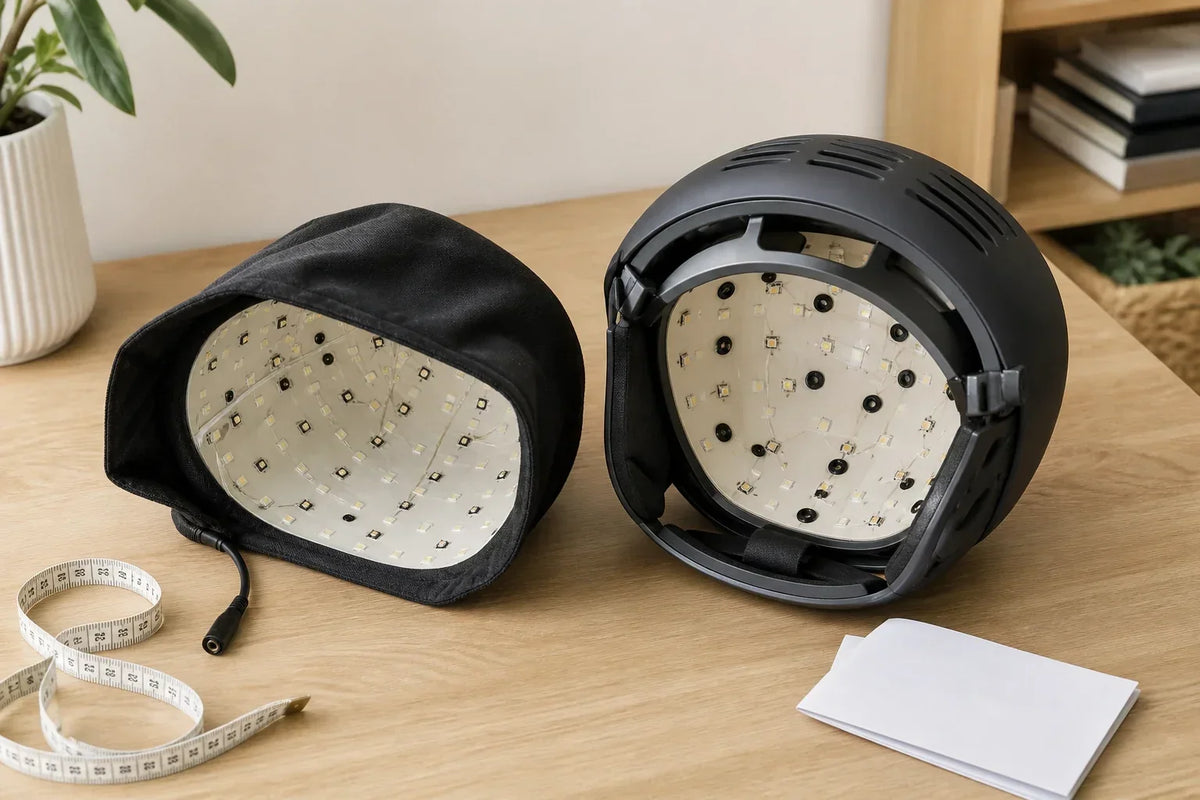
If you want one simple answer, here it is: for full-body flexibility, choose a panel; for face-focused skincare, choose a mask; for small targeted areas, choose a wand; for relaxed sofa or floor use, choose a mat; for hair or scalp routines, choose a cap-style device if that is your focus.
Most people go wrong because they buy based on ads instead of habits. We are using a home wellness device, not decorating a tech shelf. The best red light therapy device for home use is the one you can use consistently without rearranging your life.
| Device Type | Best For | Home Use Advantage | Watch Before Buying |
|---|---|---|---|
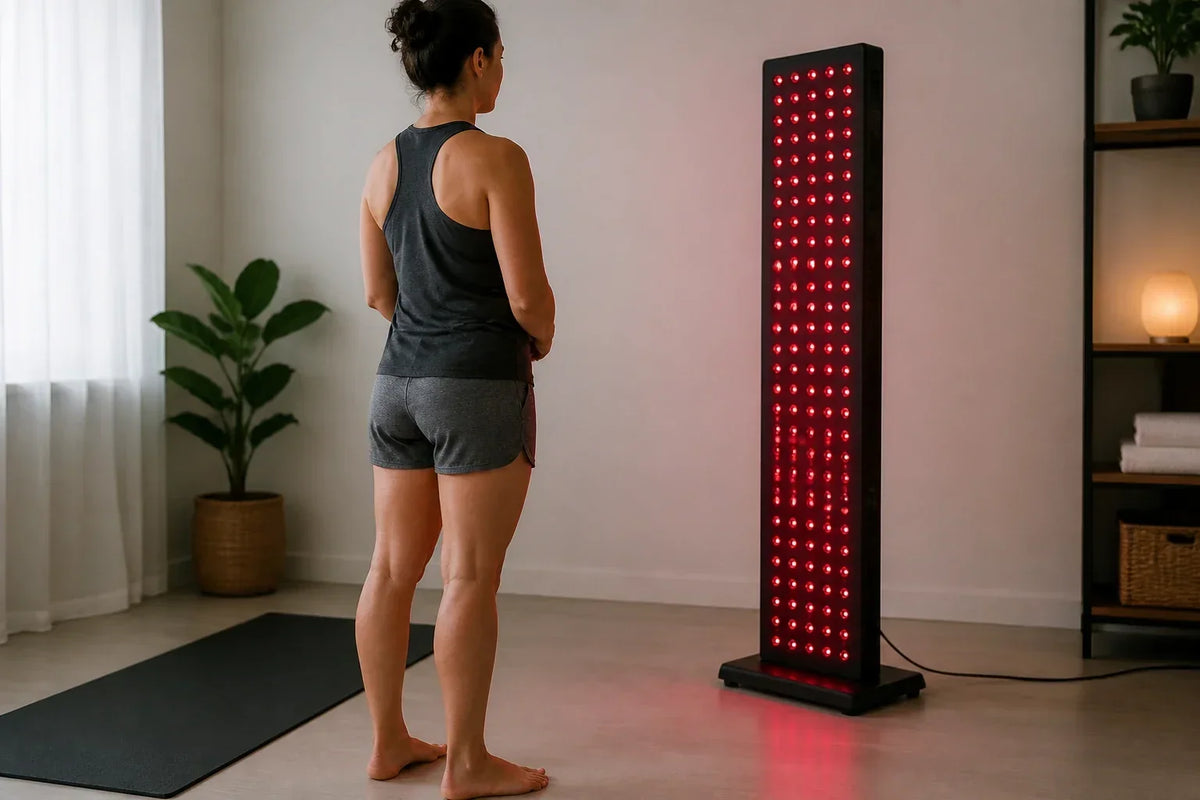
| Red Light Panel | Body, face, home gym, shared use | Broad coverage and flexible placement | Check size, stand stability, distance, and brightness |
| LED Face Mask | Face skincare routine | Hands-free and easy to wear | Check comfort, eye area design, and fit |
| Handheld Wand | Small areas and travel | Portable and affordable | Can feel slow for larger areas |
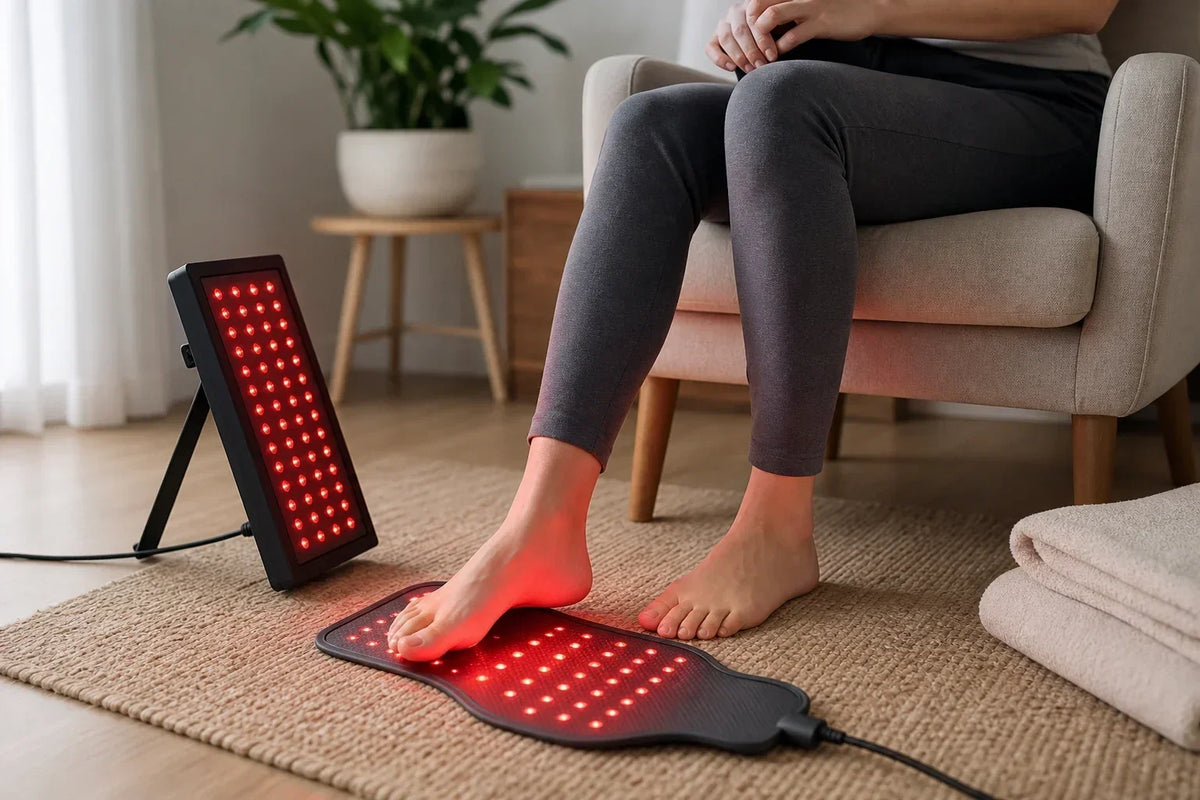
| Red Light Mat | Relaxed body use | Easy to lie on or place on sofa | Check cleaning, heat comfort, and storage |
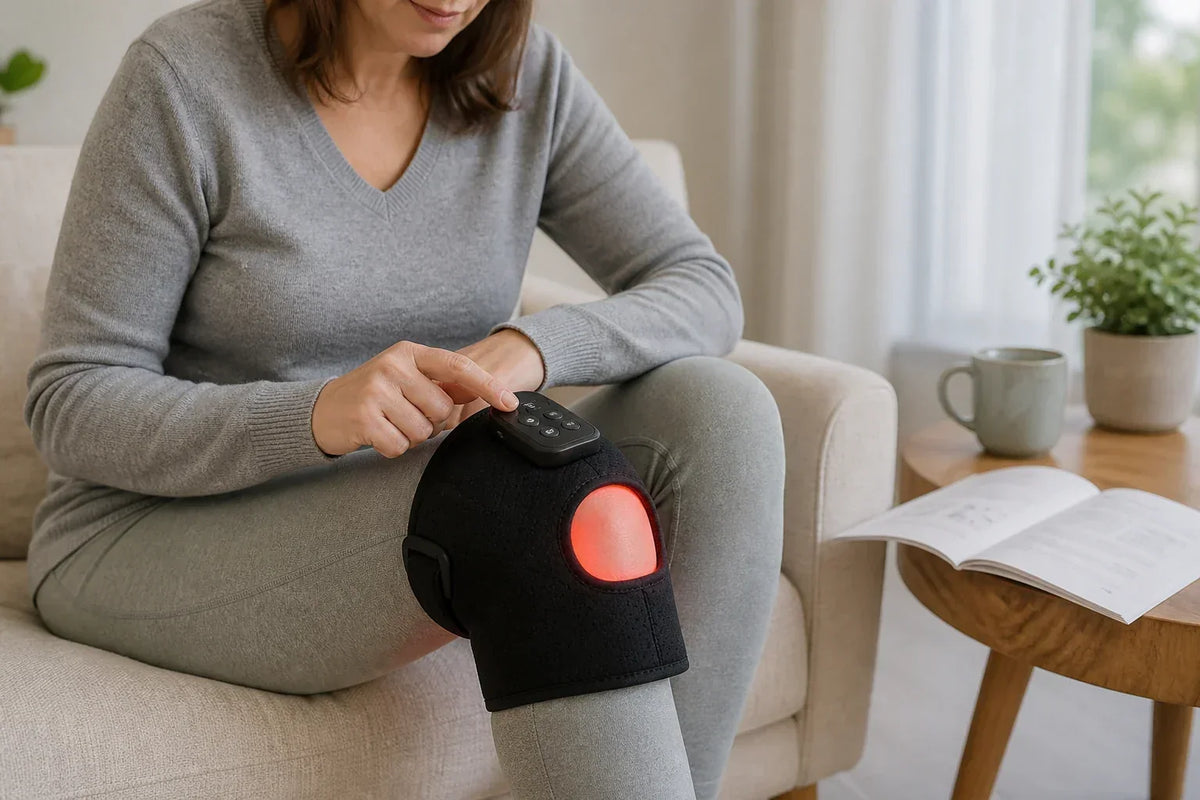
| Wearable Device | Specific routines like scalp or joints | Designed for one area | Less versatile than a panel |
What Google’s Top Results Usually Miss
Many ranking pages list products, prices, and “best overall” labels. That is useful, but it can still leave the buyer unsure. A person living in a small apartment does not need the same advice as someone building a garage gym. A person who only wants a face routine does not need a large panel. A person who wants body coverage may regret buying a tiny wand.
So instead of asking which device wins on paper, ask which device removes friction from your week. That is where real home-use value lives.
Red Light Panel: Best for Flexible Home Use
A red light panel is often the strongest all-around choice for home users because it can be used while standing, sitting, stretching, or placing it near a chair or yoga mat. If you are comparing the best red light therapy devices for home use, the panel category should be near the top of your list.
A panel also works well when more than one person in the home may use the device. You can place it in a bedroom, home gym, office corner, or wellness space. For many buyers, this gives a better cost-per-use than a face-only tool.
When a Panel Makes Sense
Choose a panel if you want broader coverage, adjustable positioning, and a device that can support both face and body routines. This is the option I would choose if I wanted one device to do more than one job at home.
What to Check
Look for clear wavelength information, recommended distance, session timing, a stable stand, simple controls, warranty, and a return policy. If a product page looks beautiful but avoids basic specs, I would be cautious.
LED Face Mask: Best for Skincare Simplicity
An LED face mask is best for people who want a facial skincare routine without holding a device. You put it on, follow the timer, and continue your evening. That hands-free convenience is why masks are so popular in beauty content.
Cleveland Clinic notes that LED light therapy devices for at-home use should be used according to instructions, and users should consider FDA-cleared or FDA-approved labeling and eye protection guidance. You can read their overview here: Cleveland Clinic LED Light Therapy Overview.
When a Mask Makes Sense
Choose a mask if your main interest is face-focused beauty use and you like routines that pair with reading, scrolling, or watching TV. A mask is not as flexible as a panel, but it is easy to repeat.
What to Check
Check fit, comfort, treatment time, eye opening design, strap quality, charging method, and whether the mask touches your skin in a way you can tolerate. A mask that feels awkward will not become a habit.

Handheld Wand: Best for Beginners and Small Spaces
A handheld wand is usually smaller, lighter, and easier to store. It can be a good starter device if you are not sure whether you will use red light regularly. But it is not the best tool for large areas because you must move it around manually.
My view is simple: a wand is good if you want to test the habit. It is less ideal if your real goal is full-body use. Many people buy a small device first, then realize the session feels too slow. That does not mean the wand is bad. It just means it has a specific job.
| Buyer Type | Best Device Choice | Why |
|---|---|---|
| Face routine beginner | LED face mask or wand | Simple, familiar, and easy to store |
| Body coverage user | Large panel | Broader light field and fewer position changes |
| Home gym user | Panel with stand | Fits naturally after stretching or workouts |
| Small apartment user | Medium panel or wand | Better balance of coverage and storage |
| Relaxed evening user | Mask or mat | Low-friction routine while resting |
Red Light Mat: Best for Relaxed Body Routines
A red light mat is useful if you prefer lying down or placing the device on a sofa, bed, or floor. It can feel less technical and more like part of a calm evening routine. But it may not offer the same adjustable positioning as a panel.
Before buying a mat, think about cleaning. A mat touches fabric, skin, and furniture more often than a panel. If the cleaning instructions are unclear, that is not a small issue. Home devices should be easy to keep fresh.
What Specs Actually Matter?
Specs can be confusing, especially when every brand tries to sound advanced. For home use, focus on the details that affect your routine: wavelength, coverage, distance, timer, comfort, and safety instructions.
Harvard Health suggests looking for FDA-cleared labeling when considering a home device, avoiding use with light-sensitive conditions or medications, and using eye protection when device directions recommend it. You can read their consumer guidance here: Harvard Health red light therapy guidance.
| Spec | Why It Matters | Good Sign |
|---|---|---|
| Wavelength | Helps you understand the device type | Clear red and near-infrared wavelength listing |
| Coverage Area | Decides how much of the body or face is reached | Size and LED layout are clearly shown |
| Recommended Distance | Helps you use the device correctly | Brand gives distance and session guidance |
| Timer | Makes routine easier to repeat | Simple timer or automatic shutoff |
| Warranty | Protects a higher-cost purchase | Clear return and service policy |
FDA-Cleared, FDA-Approved, or Just Marketing?
These words matter. Some consumer content uses FDA-cleared and FDA-approved loosely, but they are not the same. As a buyer, do not just look for a badge. Read the claim carefully and check whether the brand explains what the status applies to.
The FDA’s general wellness guidance explains how low-risk wellness products may be positioned when claims stay within a general wellness scope. You can review it here: FDA General Wellness Policy. The FTC also reminds brands that health-related product claims should be truthful, not misleading, and supported by evidence: FTC Health Products Compliance Guidance.
My practical advice: trust brands that use careful language. Be cautious when a page makes dramatic promises but gives weak instructions, vague specs, or no clear support information.
How to Choose Based on Your Home Setup
For a bedroom, choose a device that can stay neat. For a home gym, choose a panel with a stable stand. For a bathroom skincare routine, choose a mask or wand that is easy to clean. For a living room routine, choose something quiet and simple.
The best home red light device should feel easy on an ordinary Tuesday night. That is a better test than how exciting the device looks on the product page.
Small Apartment
Choose a medium panel, wand, or mask. Avoid oversized systems unless you have a fixed corner for them.
Home Gym
Choose a panel with a stand. Place it near a mat or bench so the routine connects naturally to movement and stretching.
Skincare Vanity
Choose a mask or wand. Keep it near your cleanser and moisturizer so the routine becomes automatic.
Common Buying Mistakes
The first mistake is buying based only on “best overall” labels. Best for whom? Best for face, body, price, travel, or ease of use? The second mistake is choosing a device too small for your real goal. The third mistake is ignoring comfort.
The American Academy of Dermatology says red-light devices are considered safe, but long-term effects on skin or hair are still not fully known and more research is needed. You can read their consumer guidance here: AAD red light therapy safety guidance. That is why I prefer measured expectations and clear instructions over hype.
My Personal Recommendation
If I were choosing one device for most home users, I would choose a quality red light panel before a specialized device. A panel gives more flexibility. You can use it near a chair, yoga mat, desk, or home gym. It is easier to share across different routines, and it does not lock you into one use case.
But if your goal is only face skincare, a comfortable LED mask may be more realistic. If you travel often, a wand may be enough. If you love lying down and want a calm evening ritual, a mat may fit better.
So my honest answer is this: the best red light therapy device for home use is not the most viral one. It is the one that matches your room, your patience, and your actual habit. Buy for the life you live, not the routine you imagine for one perfect week.