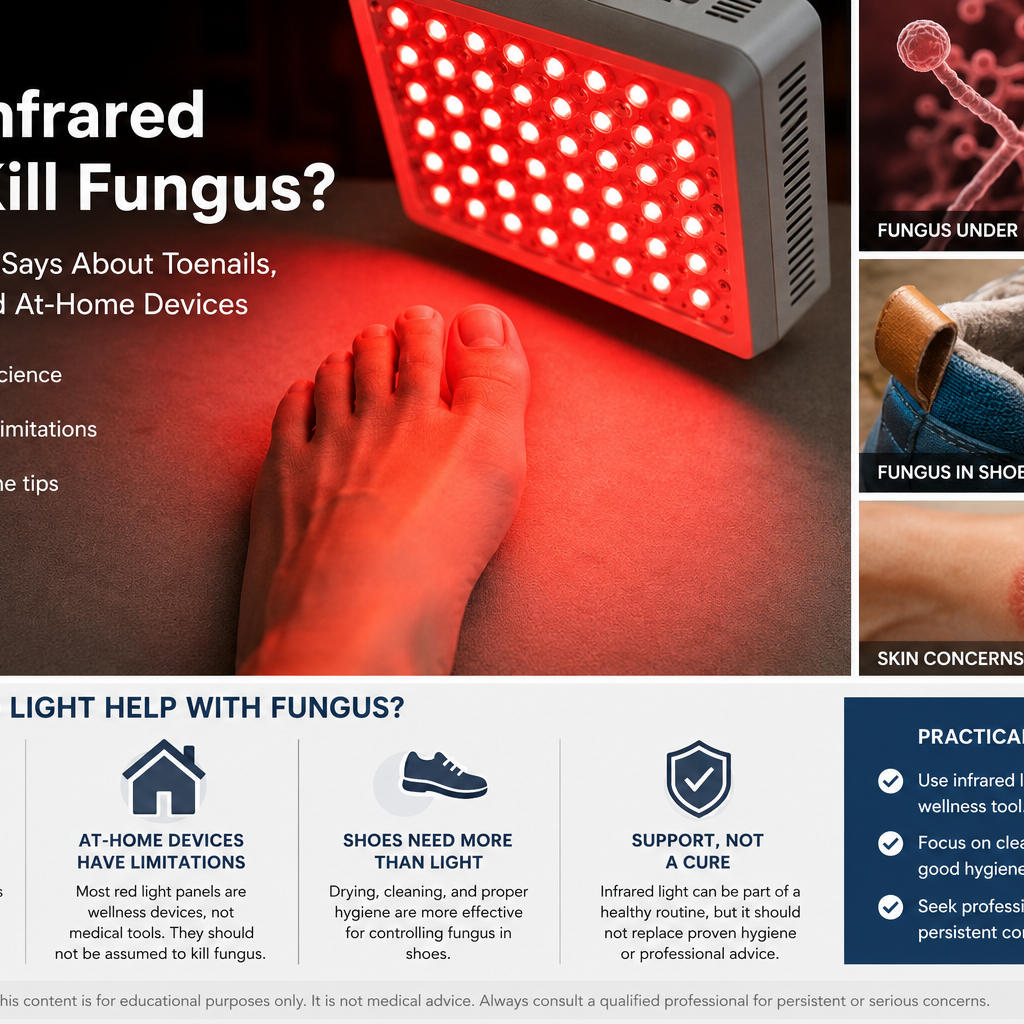
Does infrared light kill fungus? Learn what research says about infrared, near-infrared, toenail fungus, shoes, skin concerns, and at-home red light devices.
Editorial Review: This article was written with reference to public research from PubMed, NIH/PMC, Health Canada, and FDA general wellness guidance. It is for home wellness education and product-understanding only, not medical advice.

Does infrared light kill fungus? The honest answer is: in certain laboratory and professional-device settings, specific light wavelengths have shown antifungal activity, especially in research around toenail fungus and photodynamic methods. But that does not mean a regular at-home infrared lamp or red light panel can be described as a reliable way to kill fungus on skin, nails, shoes, or household surfaces. For everyday users, the smarter answer is more careful: infrared and near-infrared light may support a clean, dry, wellness-focused routine, but it should not replace proven hygiene steps or professional guidance when a real fungal concern is suspected.
This is exactly where many articles online become too aggressive. Some say red or infrared light “kills fungus” like it is simple. Others say it does nothing at all. I do not think either answer helps the person searching at midnight because their toenail looks odd, their gym shoes smell musty, or they are wondering whether a home red light device can help. So let’s slow down and separate three things: research-grade light, clinic-style laser systems, and normal at-home infrared devices.
Quick Answer: Infrared Light Can Affect Fungus, But Context Matters
The key point is context. “Infrared light” is a broad phrase. It can mean a low-power home wellness panel, a near-infrared laser, a controlled photodynamic therapy system, or a heat-based device used in a professional setting. These are not the same.
A PubMed-listed study on 870nm and 930nm near-infrared light reported a nonthermal device approach for nails affected by onychomycosis. You can review the abstract here: PubMed near-infrared nail study. A NIH/PMC review also discusses light-based methods, including laser and photodynamic approaches, but the evidence is still not the same as saying every home infrared product can remove fungus. You can read that review here: NIH review on laser therapy for nails.
| User Question | Practical Answer | Why It Matters |
|---|---|---|
| Does infrared light kill fungus? | Specific wavelengths may affect fungi in controlled settings | But home devices are not the same as clinical systems |
| Can I use infrared light for toenails? | Research exists mainly around nail-related laser or light systems | Results depend on device type, protocol, and nail condition |
| Can infrared light clean shoes? | Do not rely on infrared alone | Drying, washing, airflow, and proper hygiene matter more |
| Can a red light panel kill fungus at home? | Do not make that assumption | Consumer panels are usually wellness devices, not antifungal tools |
Why This Keyword Is Confusing
The phrase does infrared light kill fungus mixes two worlds together. One world is scientific research, where researchers test exact wavelengths, exposure time, energy density, and fungal species. The other world is everyday home use, where someone owns a red light panel or infrared lamp and wants a simple yes-or-no answer.
That is why this topic needs a careful answer. A wavelength in a study does not automatically become a home method. A professional laser is not the same as a consumer red light device. And a warm light feeling on the skin does not prove fungal inactivation.
The Search Intent Behind This Question
People searching this usually fall into three groups. Some are asking about toenails. Some are asking about skin or body areas. Some are asking about shoes, socks, bathrooms, or gym gear. The answer changes depending on the scenario.
My Personal Take
If I were answering a friend, I would say this: infrared light is interesting, but do not treat it like a magic disinfectant. Use it only as a supportive wellness idea unless a qualified professional gives you a more specific plan.
Infrared Light vs Red Light vs Near-Infrared: What Is the Difference?
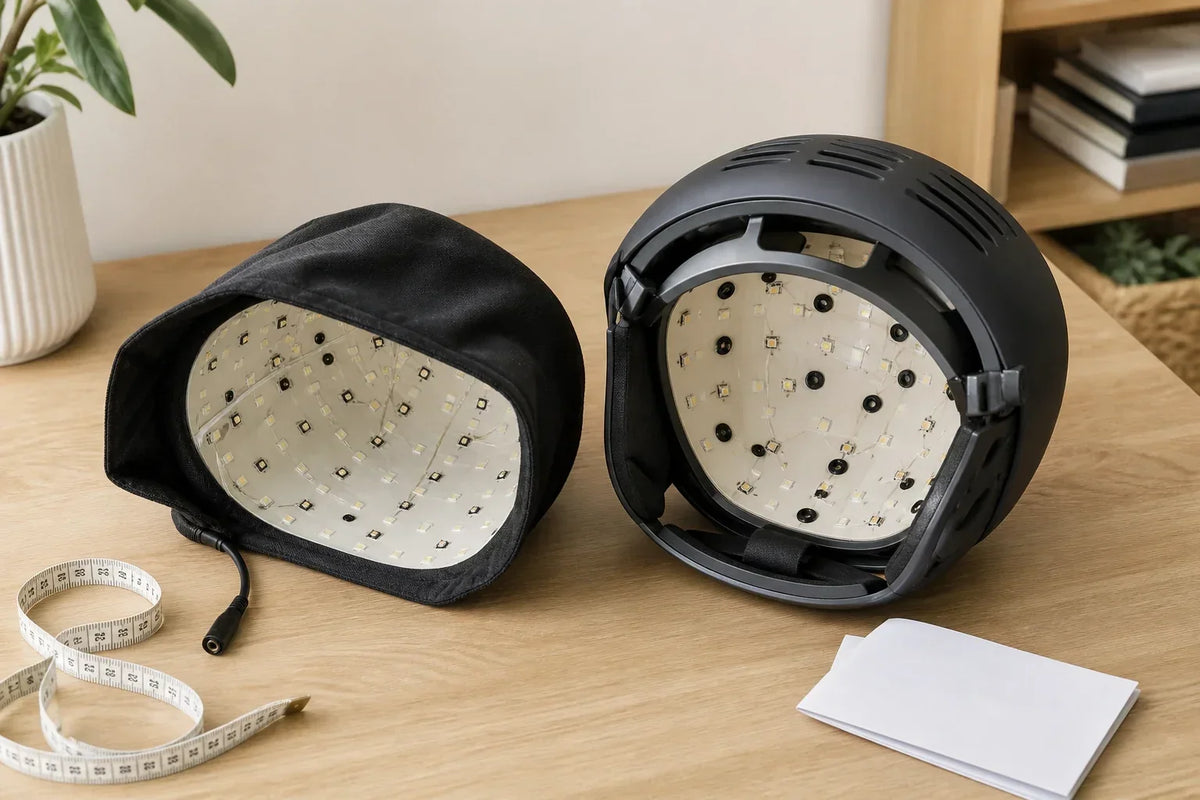
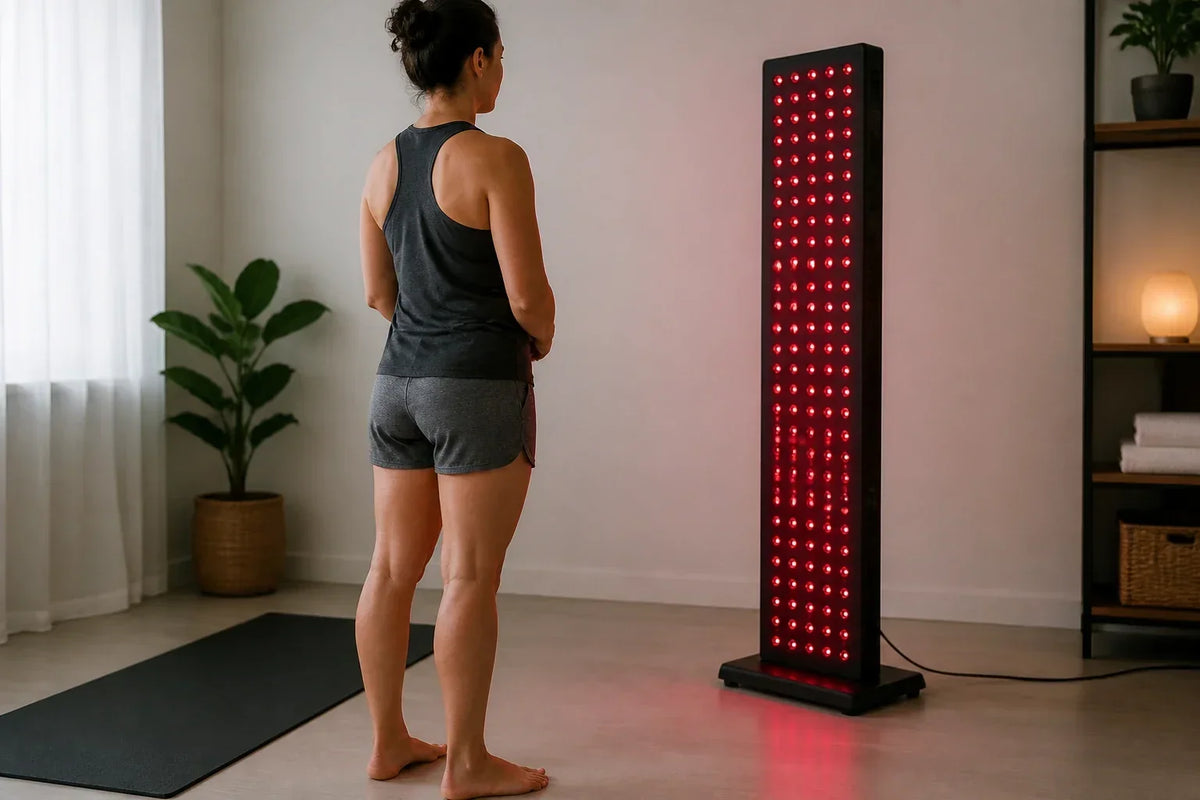
Red light is visible to the eye. Near-infrared light is just beyond visible red, so people may not see it clearly. Infrared is a wider category that includes near-infrared, mid-infrared, and far-infrared. When people talk about red light panels, they often mention 660nm red light and 850nm near-infrared light.
But the fungus-related research people find online often involves specific lasers or carefully controlled systems. A home wellness panel using near-infrared light is usually built for general wellness positioning, not for making claims about killing fungus.
| Light Type | Common Consumer Meaning | Fungus-Related Reality |
|---|---|---|
| Red Light | Visible red light used in home beauty and wellness devices | Not automatically an antifungal method |
| Near-Infrared | Often used in panels around 800nm to 900nm | Some nail studies involve near-infrared wavelengths |
| Infrared Heat | Warmth from lamps or saunas | Warmth alone should not be treated as reliable fungus removal |
| Professional Laser | Clinic-style device with controlled parameters | Research exists, but results and approval language vary |
What Does Research Say About Light and Toenail Fungus?
Most serious search results around infrared light and fungus focus on toenail onychomycosis. This makes sense because nails are hard for topical products to reach, and researchers have explored light and laser systems as another device-based approach.
One review in NIH/PMC describes the Noveon device, which emits 870nm and 930nm light, and discusses a possible mechanism involving fungal structures and reactive oxygen species. You can read the review here: NIH/PMC laser therapy review. Another review on photodynamic therapy explains that light-activated methods have been studied against fungal organisms, often with a photosensitizing agent rather than light alone. You can view it here: NIH/PMC photodynamic therapy review.
Here is the plain-English version: there is a scientific reason people ask the question, but the evidence does not support treating every infrared product as a fungus-killing solution. Especially for at-home shoppers, the difference between “studied under controlled conditions” and “works from my home device” is huge.
Why “Kill Fungus” Is Too Strong for Most Home Devices
The word “kill” is the risky part. It sounds clear, but it demands strong proof. If a brand says a home red light or infrared device kills fungus, the claim should be supported by the exact device, exact protocol, and reliable evidence. Otherwise, the wording may overpromise.
Health Canada has stated that it had not received enough evidence to support claims that laser treatments could be used to treat fungal nail infection, while some devices may be licensed only for temporarily increasing nail clarity. You can read that clarification here: Health Canada clarification.
The FDA also has general wellness guidance for low-risk products, which is useful for understanding why consumer wellness brands should be careful with strong disease-related claims. You can review it here: FDA General Wellness Policy.
Can Infrared Light Kill Fungus in Shoes or Socks?
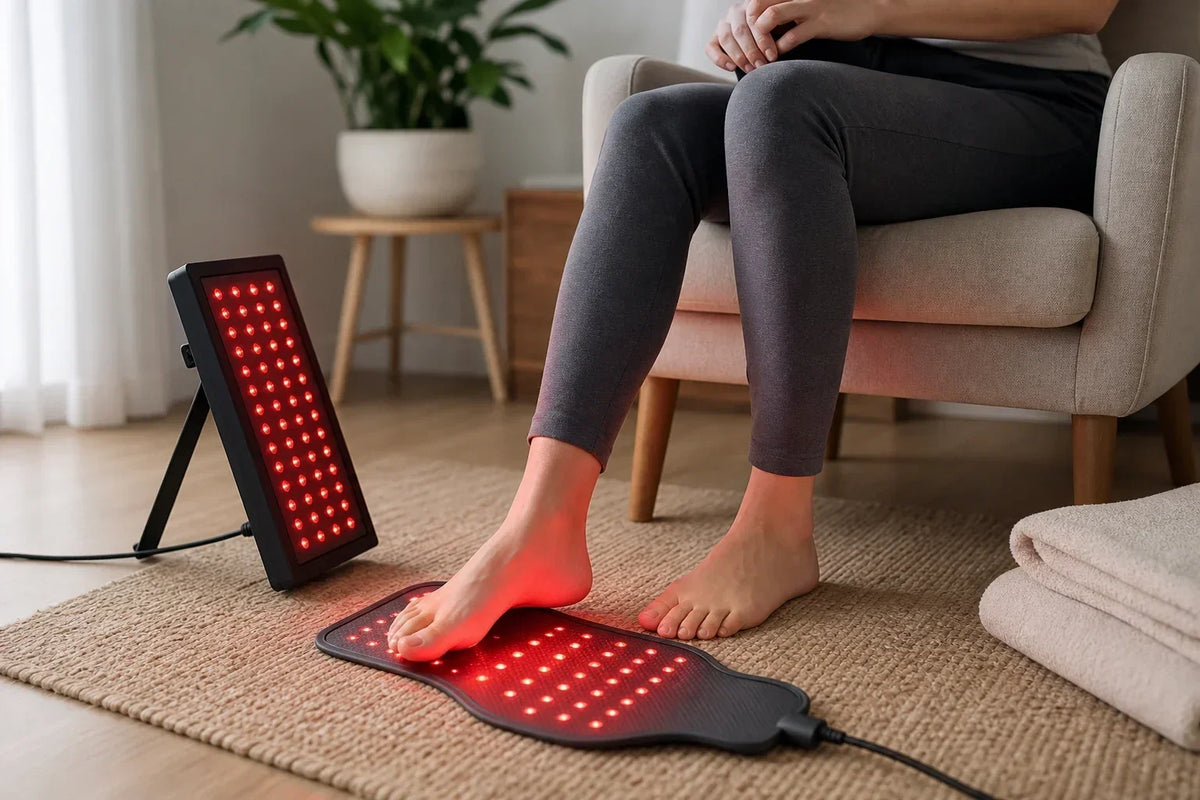
This is a common hidden search intent. Someone may wonder whether shining infrared light into shoes can deal with odor or fungal concerns. I would not rely on that. Shoes are complex: fabric, foam, moisture, sweat, and dark corners all affect the environment.
A more practical routine is simple. Dry shoes fully. Rotate pairs. Wash socks in a sensible way. Use airflow. Keep feet clean and dry. If you use any light-based gadget for shoes, treat it as an extra hygiene step, not the main answer.
Simple Shoe Hygiene Table
| Problem | Better First Step | Where Light Fits |
|---|---|---|
| Musty shoes | Dry completely with airflow | Optional extra, not the main method |
| Sweaty socks | Wash and change frequently | Not a replacement for washing |
| Damp bathroom items | Reduce moisture and improve ventilation | Light alone is not enough |
Can a Red Light or Infrared Panel Be Used for Skin Fungus?
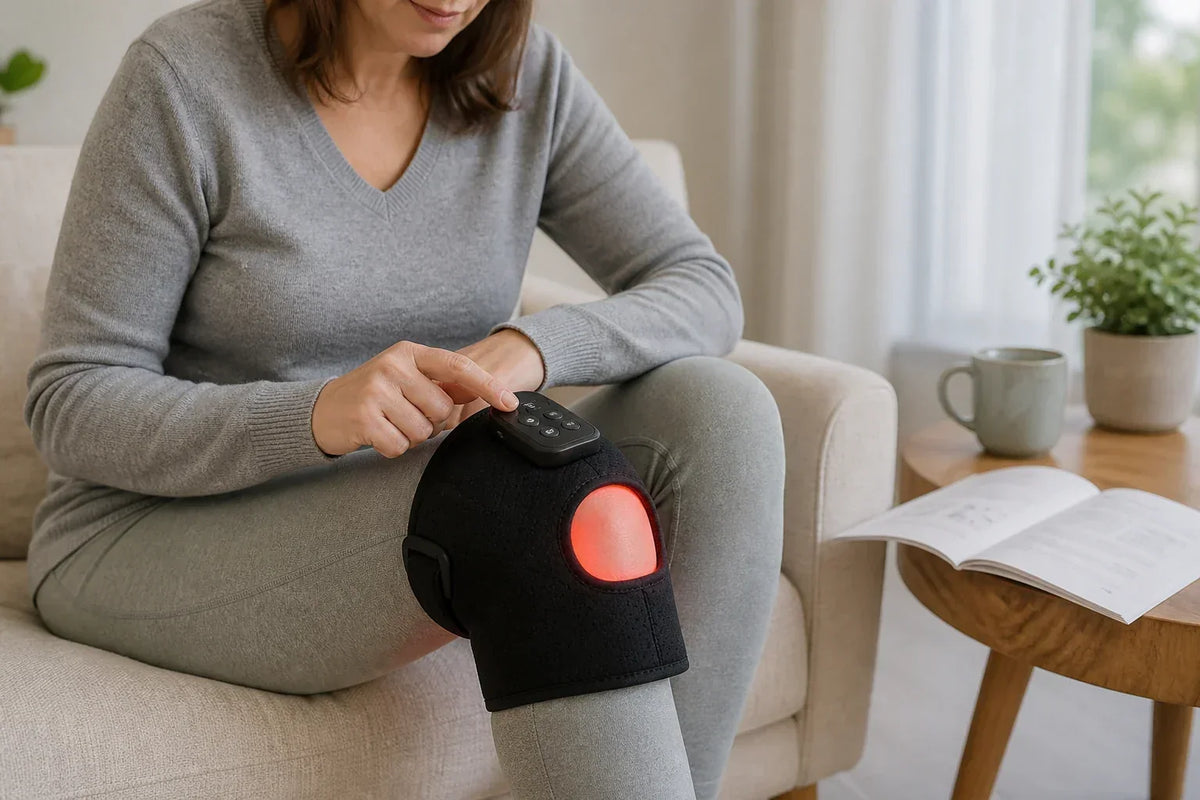
This is where I would be extra careful. Skin-looking concerns can have many causes, and it is easy to misread them from photos or symptoms. A wellness panel should not be used as a self-diagnosis tool or a replacement for professional care when something looks persistent, spreading, or uncomfortable.
If you already use red light or near-infrared light for general wellness, keep the routine within the product’s normal instructions. Do not change session time, distance, or intensity because you read a fungus article online. More light is not automatically smarter.
What Should At-Home Users Actually Do?
The practical answer depends on what you are trying to solve. If this is about household hygiene, start with moisture control. If it is about shoes, start with drying and washing routines. If it is about nails or skin, consider professional input before making assumptions.
For a red light or near-infrared home device, use it as a wellness tool. Follow the manual. Keep expectations measured. Avoid claims that turn a general light device into an antifungal product without device-specific proof.
How to Read Product Claims Without Getting Misled
When reading a product page, look for the exact wording. “Supports a home wellness routine” is different from “kills fungus.” “Studied wavelengths” is different from “this device clears fungal nails.” “May support healthy-looking skin” is different from a strong antifungal claim.
| Claim Type | More Careful Wording | High-Risk Wording |
|---|---|---|
| Home wellness | Supports a clean, consistent wellness routine | Kills fungus at home |
| Nail appearance | Supports healthy-looking nails with proper care | Removes fungal infection |
| Device science | Uses red and near-infrared wavelengths | Scientifically destroys all fungus |
| Usage guidance | Follow the brand manual and keep expectations realistic | Use longer for faster results |
My Personal View
If someone asks me, “does infrared light kill fungus?” I would answer like this: specific light systems may affect fungi under controlled conditions, and there is research worth reading. But I would not buy a normal at-home infrared device expecting it to act like a proven antifungal solution.
My practical advice is simple. Use infrared or red light for what a home wellness device is good at: a repeatable, calm, comfortable routine. For fungus-related concerns, keep hygiene serious, keep claims modest, and get professional guidance when the situation is more than a simple cleaning question. I would rather give a careful answer that protects the reader than a dramatic answer that sounds exciting but does not hold up.