Compare red light therapy for body at home, including panel, bed, and mat setups. Learn how to choose the right size, space, distance, and routine for full-body home use.
Reviewed with public guidance from: FDA general wellness product guidance, FTC product-claim guidance, and Cleveland Clinic’s red light therapy overview. This article is written for home wellness education and everyday product selection.
Red light therapy for body at home is one of the first things people search when they want a private, repeatable wellness routine without booking studio visits. But here is the honest part: not everyone needs a full bed, and not every small device gives enough coverage for body use. The real decision is about space, comfort, device size, session flow, and whether a panel, bed, or mat actually fits your week. If you want a simple at-home body setup that feels easy to keep using, this guide will help you choose without paying for more than you will use.

When we are using a home wellness device, the product is only half of the story. The other half is the room it sits in, the time you can repeat, and how comfortable the setup feels after the excitement fades. Some friends want a full-body red light therapy at home experience. Some want a compact red light panel for body use. Some just want something they can place near a yoga mat after work. What should you choose? Let’s break it down in a practical way.
For trust and product-claim quality, the FDA’s general wellness guidance explains how low-risk wellness products can be positioned around healthy lifestyle support when claims stay within a low-risk wellness scope. You can review it here: FDA General Wellness Policy. The FTC also reminds brands that product claims should be truthful, not misleading, and supported by reliable evidence: FTC Health Products Compliance Guidance.
Why Body Users Choose Red Light Therapy at Home
The main reason is simple: convenience. A studio visit may feel nice once, but repeating it several times a week is harder. With red light therapy for body at home, the routine can happen in your bedroom, home gym, or wellness corner. That makes it easier to connect the device to habits you already have, like stretching, showering, reading, or a quiet evening reset.
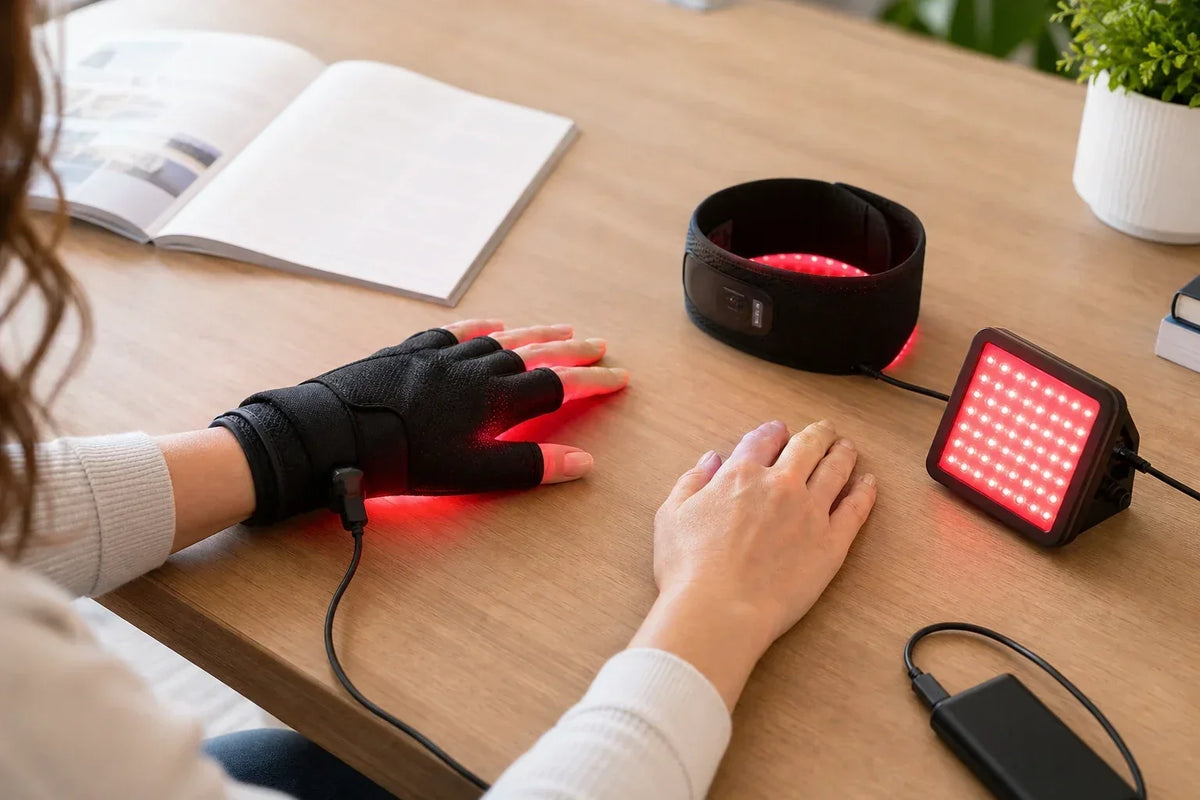
Body use also changes the buying decision. A small handheld device may work for a tiny area, but it can feel slow when your goal is broader body coverage. A larger panel, a modular panel set, a mat, or a bed-style system will usually make more sense for people who want a wider light field and fewer position changes.
Panel, Bed, or Mat: Which Home Setup Makes Sense?
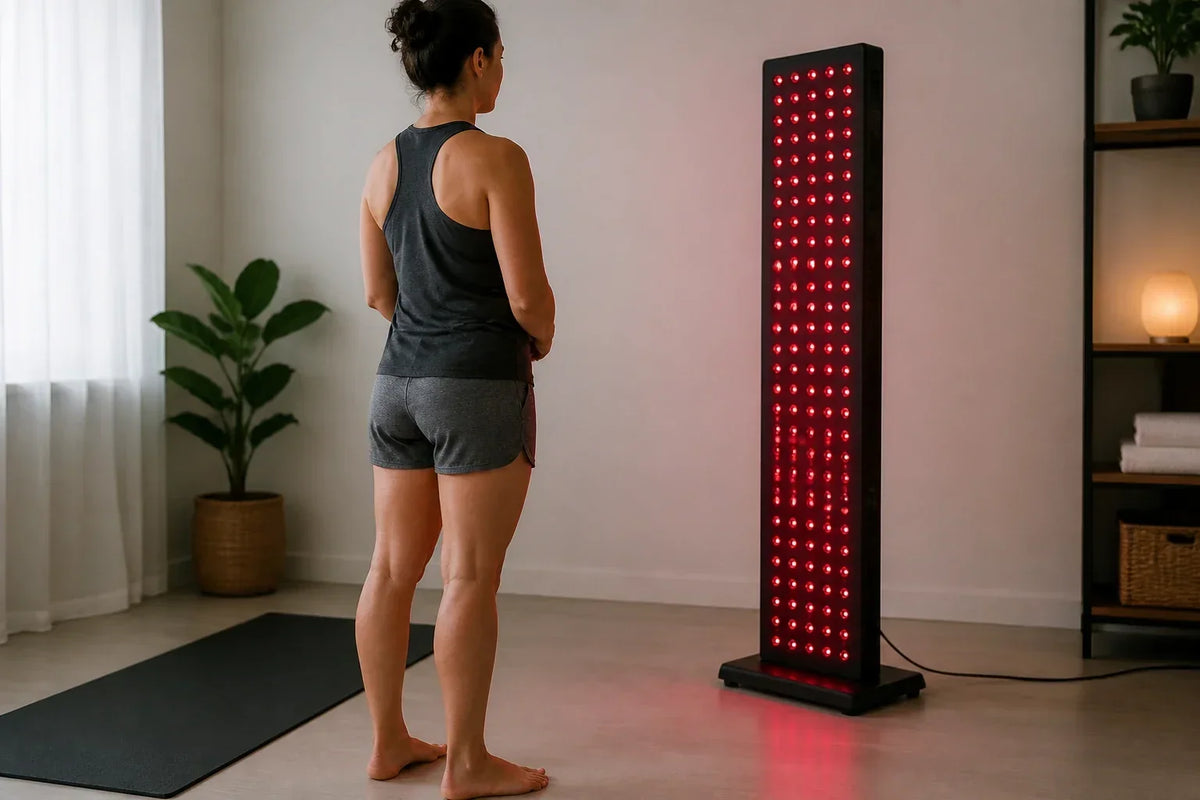
Before looking at price, choose the format. A red light therapy panel for body use is usually the most balanced option for many homes. A bed-style setup feels more immersive but needs more room. A mat can be easier to store and may feel casual for sofa or floor use.
| Home Setup | Best For | Space Needed | Daily Use Feel | Buyer Note |
|---|---|---|---|---|
| Large Body Panel | Users who want strong coverage with flexible placement | Wall, stand, home gym corner, or bedroom space | Easy to stand, sit, or stretch nearby | Often the most practical first serious setup |
| Full Bed-Style System | Users who want a spa-like lying-down routine | Dedicated room or larger wellness area | Relaxed and immersive | Higher cost and less portable |
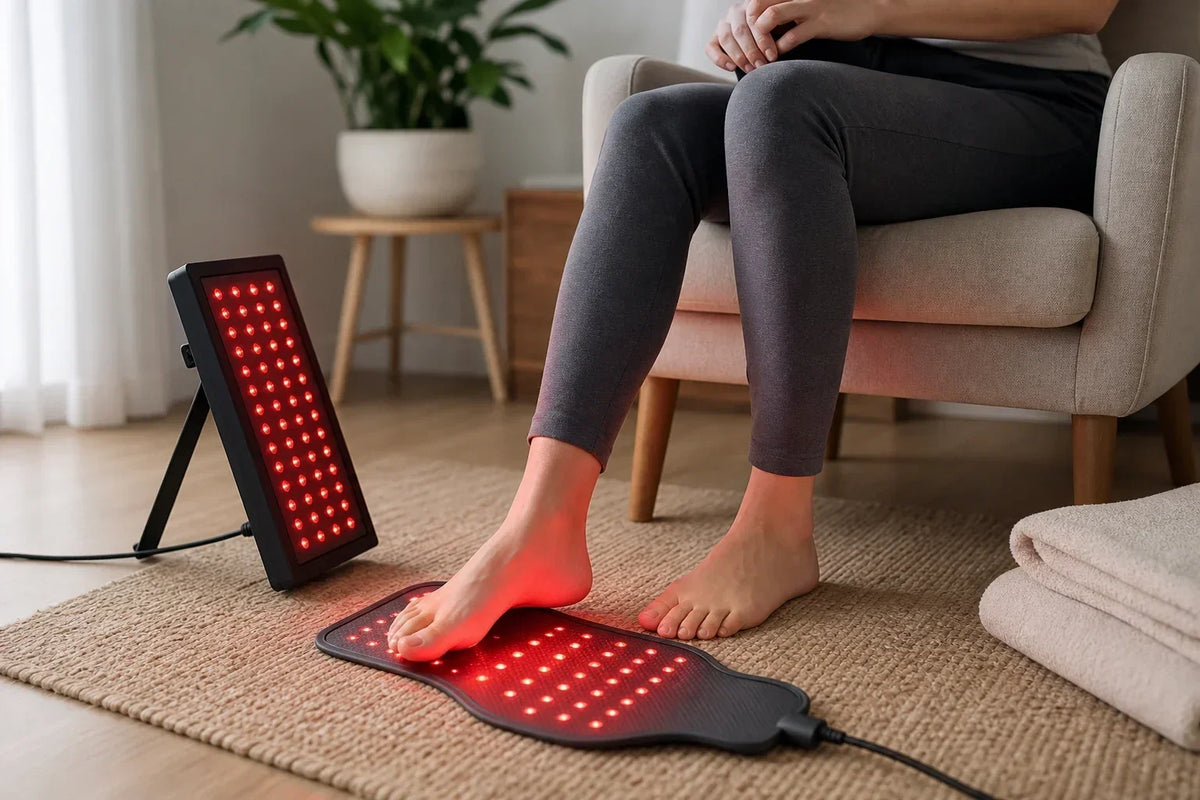
| Flexible Mat | Users who want easy storage and casual body use | Bed, sofa, floor, or storage drawer | Simple and low-friction | Check material comfort and cleaning method |
| Small Portable Device | Beginners testing the habit | Very little space | Easy to store, slower for broad body use | Better for trying the routine than full coverage |
My quick view: if this is your first red light therapy for body at home setup, a large panel is usually the safest decision from a lifestyle angle. It gives meaningful coverage, does not take over the room, and still feels simple enough to use often.
What Size Device Do You Need for Body Use?
Size should follow the body area you want to cover and the way you plan to stand, sit, or lie down. For full body red light therapy at home, a bigger panel or panel set reduces the need to constantly change position. For a small apartment, a medium panel on a stand may be more realistic than a bed-style device.
Small Apartment Setup
If your space is tight, choose a device that can stand near a wall, window, or closet area. The goal is to keep the setup clean. When a device needs ten minutes of moving furniture, it becomes hard to use. A slim panel on a stand can work well because it stays ready without making the room feel crowded.
Home Gym Setup
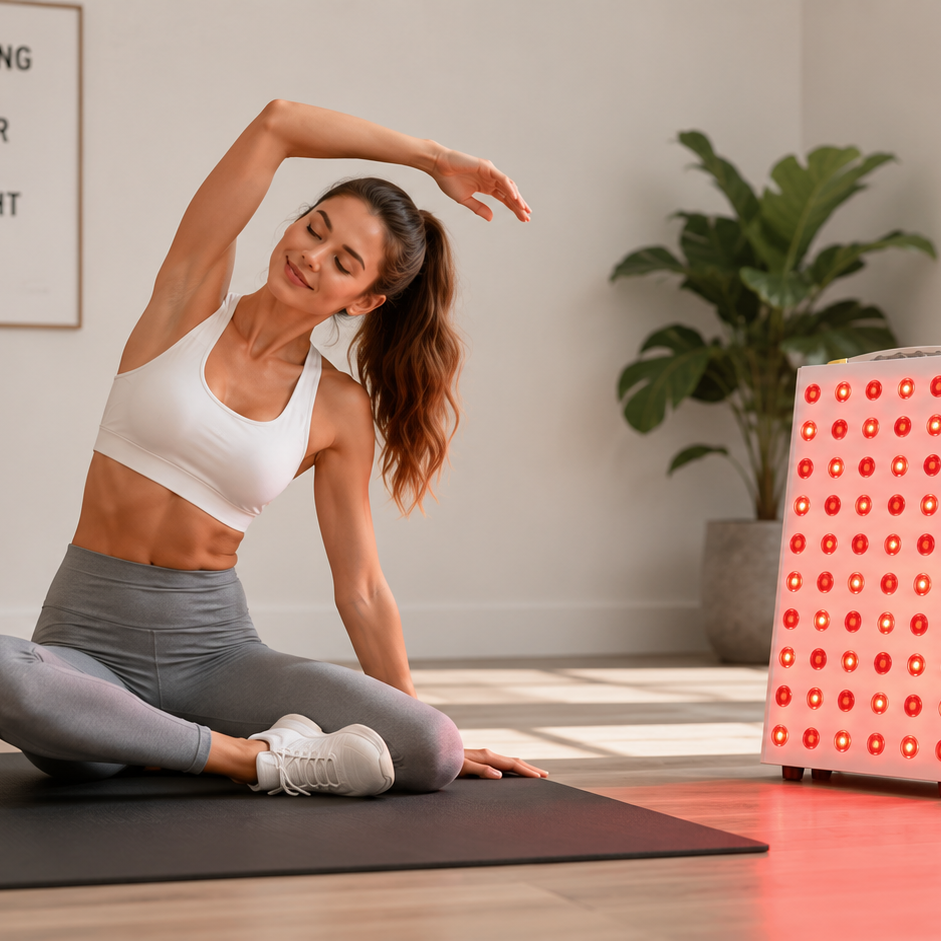
A home gym is one of the easiest places for a body red light routine. Place the panel near a yoga mat, bench, or stretching area. That way, the device becomes part of your cool-down flow instead of a separate task. Many American homes already use garage gyms or spare-room workout spaces, so this setup feels natural.
Bedroom Wellness Setup
A bedroom setup works best when the device is quiet, stable, and easy to turn on. Keep cables neat and leave walking space around the panel or mat. If another person shares the room, brightness and timing matter. A good home routine should feel calm, not annoying.
Which Wavelengths Should Body Users Look For?
Many home red light devices use red light around 660nm and near-infrared around 850nm. These are common wavelengths discussed in consumer red light products. Cleveland Clinic’s overview explains red light therapy as a light-based approach used in different settings and notes that more research continues in this area. You can read their overview here: Cleveland Clinic red light therapy overview.
For a shopper, wavelength is important, but it is not the only detail. Coverage, distance, timer control, heat comfort, eye comfort, build quality, and the stability of the stand also matter. A red light therapy panel for body use should feel safe, steady, and simple during a normal home session.
How Far Should You Stand from a Body Panel?
Distance should follow the brand manual. This is one of the easiest details to ignore, but it shapes your routine. If you stand too far away, the session may feel less efficient. If you stand too close without following guidance, it may feel too intense. The simple rule is this: use the recommended distance and keep the habit comfortable.
| Use Goal | Suggested Setup Style | Why It Works |
|---|---|---|
| Quick evening body routine | Panel near bedroom or living room corner | Easy to use after showering or before relaxing |
| Post-workout reset | Panel near yoga mat or gym bench | Fits naturally after stretching |
| Relaxed lying-down routine | Bed-style device or mat | Better for users who enjoy a slower routine |
| Small-space body care | Medium panel with stand | Good coverage without taking over the room |
How Long Should a Home Body Session Be?
There is no universal number that fits every device. A high-quality brand should give clear session timing, distance, and frequency guidance. If the product page gives big promises but no real usage instructions, be careful. For red light therapy for body at home, clear instructions are part of product quality.
A simple beginner rhythm is to start with the brand’s lower recommended range, watch how comfortable the routine feels, and avoid the “more must be better” mindset. The goal is a routine you can repeat. If a schedule feels too long, too bright, or too complicated, you will probably skip it.
What Should You Check Before Buying?
A body device costs more than a tiny facial gadget, so the buying checklist matters. Look beyond the product photo and check the details that affect real home use.
| Checklist Item | Good Sign | Warning Sign |
|---|---|---|
| Coverage | Clear size, LED layout, and recommended use distance | Only lifestyle photos with few specifications |
| Controls | Timer, mode selection, and easy display | Confusing buttons or unclear settings |
| Home Fit | Stable stand, manageable weight, clean cable layout | Too bulky for your room |
| Support | Manual, warranty, return policy, responsive service | No clear after-sale help |
| Claim Style | Measured wording and practical guidance | Fast, dramatic, overconfident promises |
Common Mistakes with Body Red Light Devices
The first mistake is buying too small for body use. A mini device may be fine for testing, but it can become frustrating if your real goal is broader coverage. The second mistake is buying too large for your room. A full bed-style setup sounds premium, but if it blocks your space, you may avoid it.
The third mistake is ignoring the routine. The best home body red light device is not always the largest one. It is the one you can leave ready, use comfortably, and repeat without thinking too much. We are using wellness tools to make life easier, not to add another chore.
Where Should You Place It at Home?
Placement decides whether the device becomes part of your life. Put it near an existing habit. If you stretch in the morning, place it near your mat. If you relax at night, place it near a lounge chair. If you work out in the garage, put it beside your bench. This way, the device connects to a routine you already have.
Also think about light direction. A front-facing panel should have enough open space in front of it. Keep cords away from walkways. Use eye protection if the brand recommends it. Keep pets and children away from controls. Simple setup makes long-term use much easier.
My Personal View
If you are searching for red light therapy for body at home, do not start by asking, “What is the biggest device I can buy?” Start by asking, “What device will I actually use three or four times a week?” That one question saves money, space, and disappointment.
My advice is simple: for most first-time body users, start with a strong, stable panel before jumping into a full bed-style system. If you already have a dedicated wellness room and love lying-down routines, a bed can make sense. But if your home life is busy, a panel near your mat, chair, or gym area is often the smarter move. Choose the setup that feels easy on a normal Tuesday night. That is the one that usually wins.