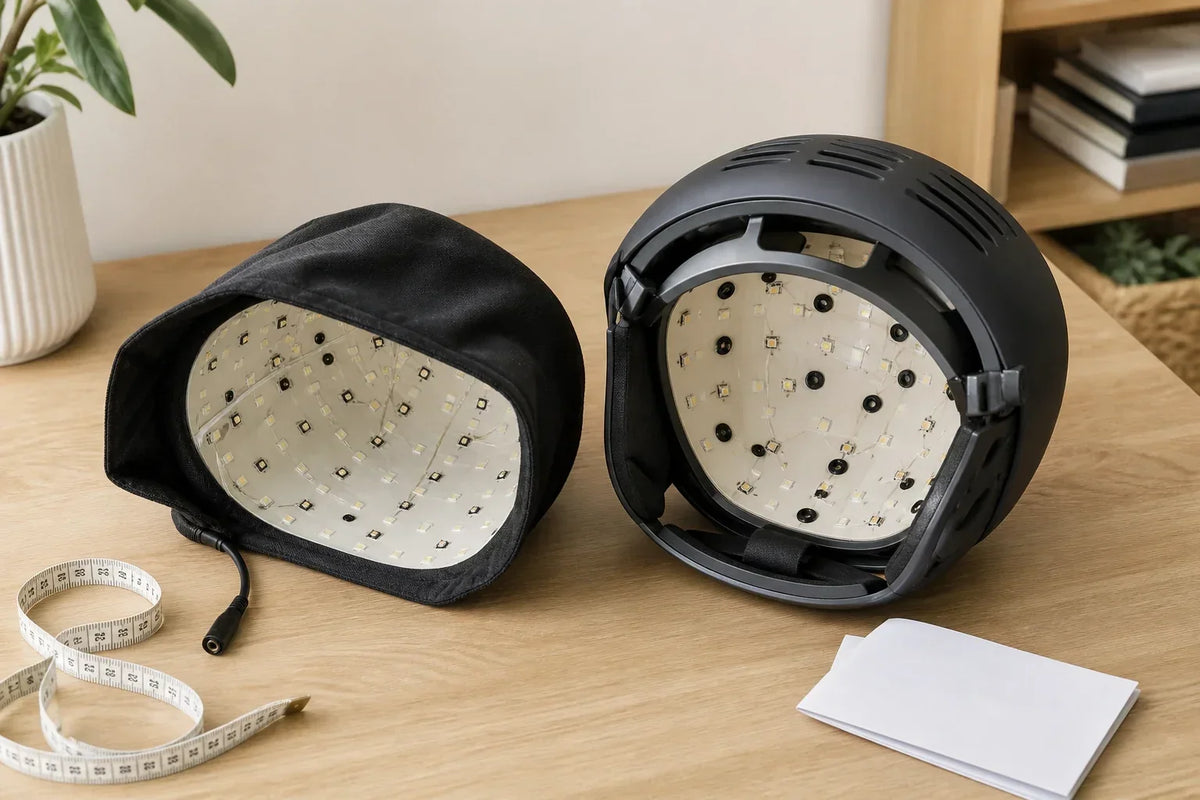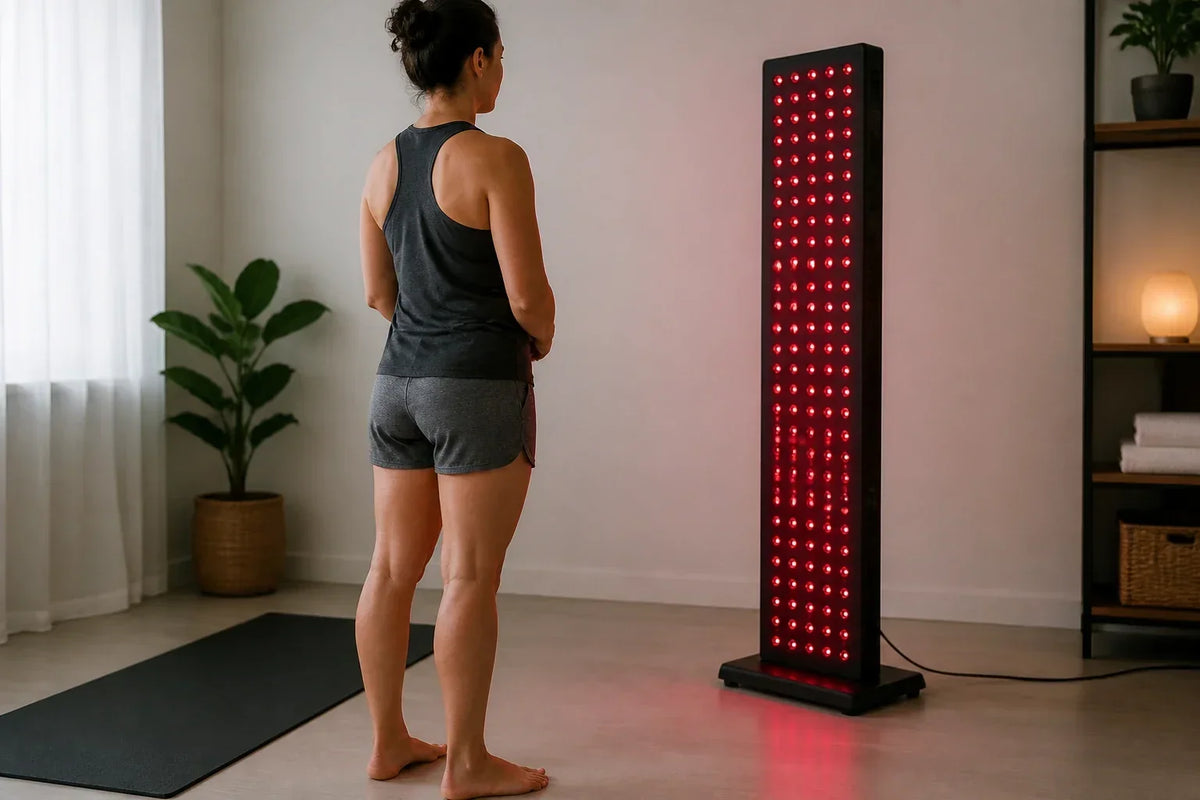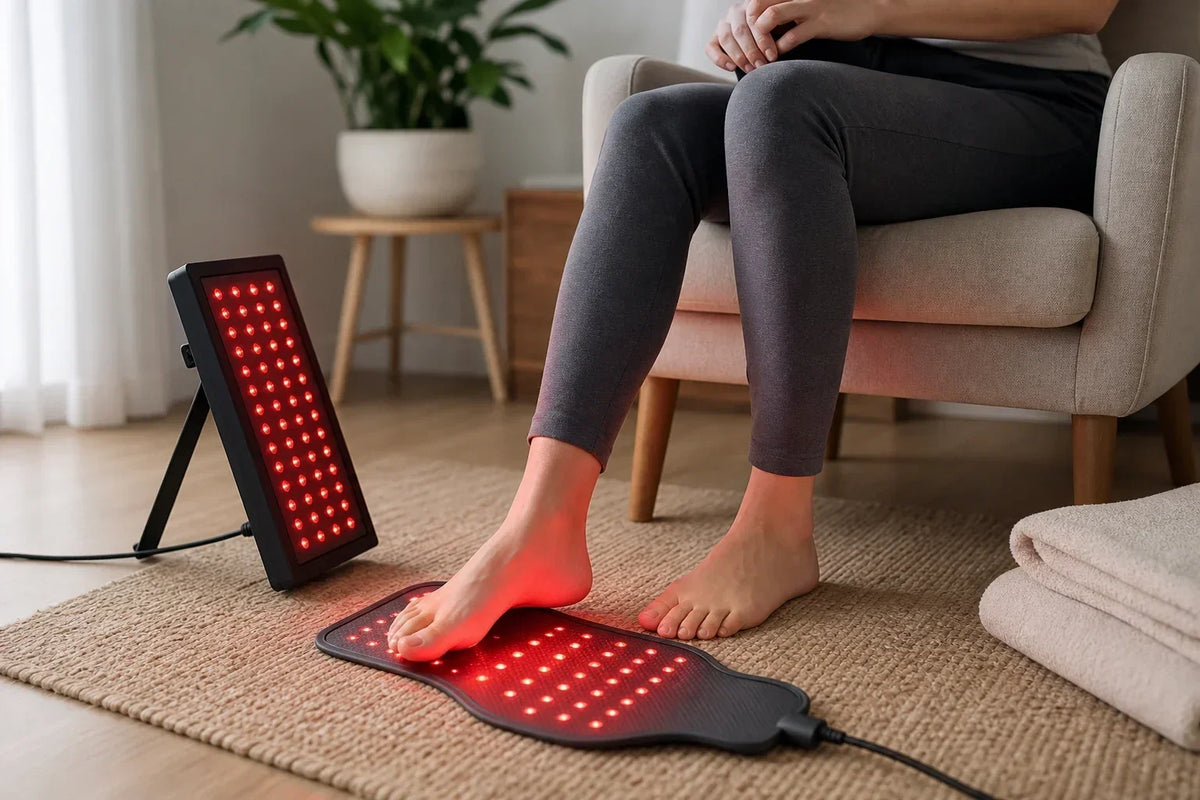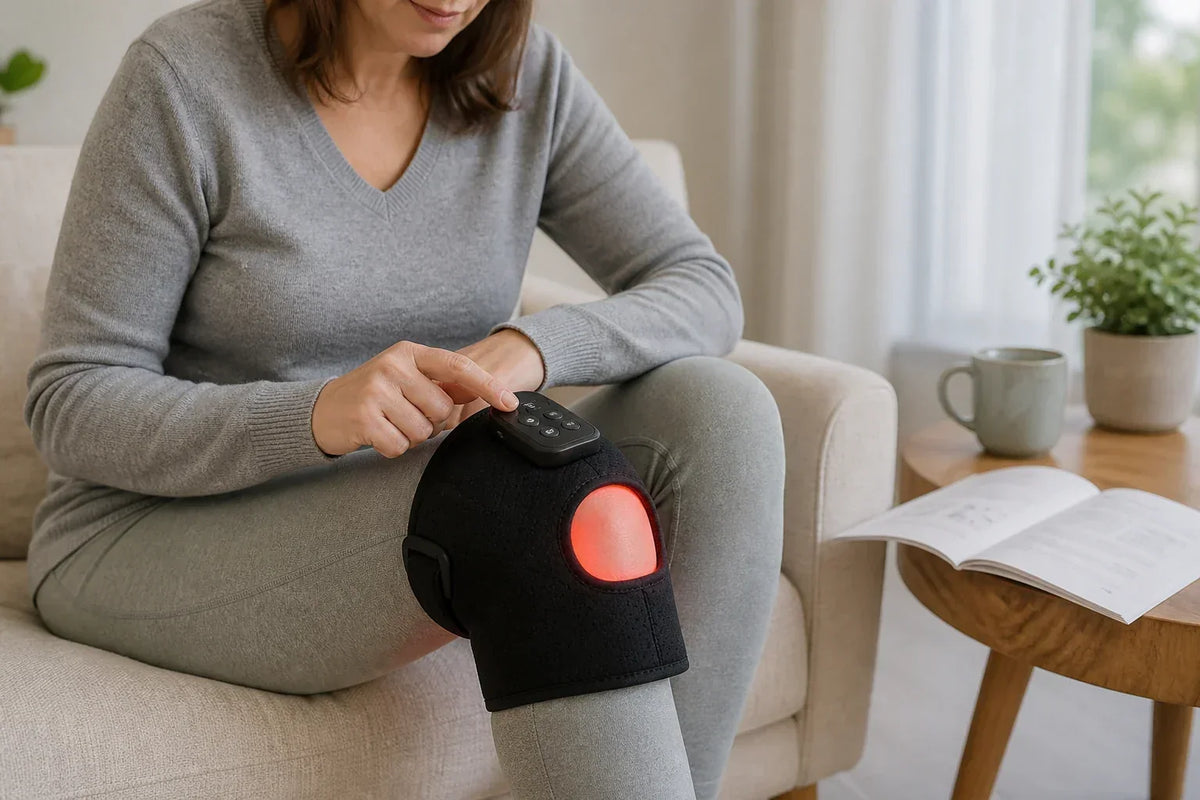
Red light therapy bed at home sounds like the dream setup: no appointments, no studio visits, and a private wellness routine you can use on your own schedule. But before you buy a full-size bed, there is one question worth asking first: do you really need a bed, or would a large red light panel fit your home and daily routine better? In this guide, we will break down the real buying decision from a home user’s point of view, including space, cost, comfort, setup, device size, and how to choose between a bed, panel, or mat without paying for more than you will actually use.
Reviewed with public guidance from: FDA general wellness product guidance and FTC health product advertising guidance. This article focuses on home wellness use, not medical claims.
Buying a red light therapy bed at home sounds exciting at first. Then the real questions show up. Do you actually need a full bed? Is a panel enough? How much space does it take? And if you are using it in a bedroom, garage gym, or small apartment, what setup will not become annoying after two weeks?
We have seen many people start with a big dream and then realize the daily habit matters more than the biggest device. A home red light bed should fit your space, your schedule, and your comfort routine. It should not feel like another bulky machine you avoid using. That is the point of this guide. We will walk through the real buying logic, from size and budget to placement and everyday use.
For general wellness positioning, the FDA describes low-risk wellness products as products intended to support a healthy lifestyle when they avoid disease-related claims. You can read the FDA guidance here: FDA General Wellness Policy. The FTC also reminds brands that benefit claims should be truthful, not misleading, and supported by evidence: FTC Health Products Compliance Guidance.

Why People Search for a Red Light Therapy Bed at Home
Most people are not searching for a red light device because they want another gadget. They want a simple routine they can do without driving to a studio. A red light therapy bed at home usually appeals to people who want more body coverage, a private setup, and a repeatable wellness habit after work, workouts, or long screen-heavy days.
The pain point is simple: studio visits cost time, appointments are easy to skip, and handheld devices can feel too small. A full bed looks like the premium answer. But that does not mean every home needs one. Some users are better served by a large panel, a half-body mat, or a foldable setup that is easier to store.
Home Bed, Panel, or Mat: Which One Fits Your Daily Routine?
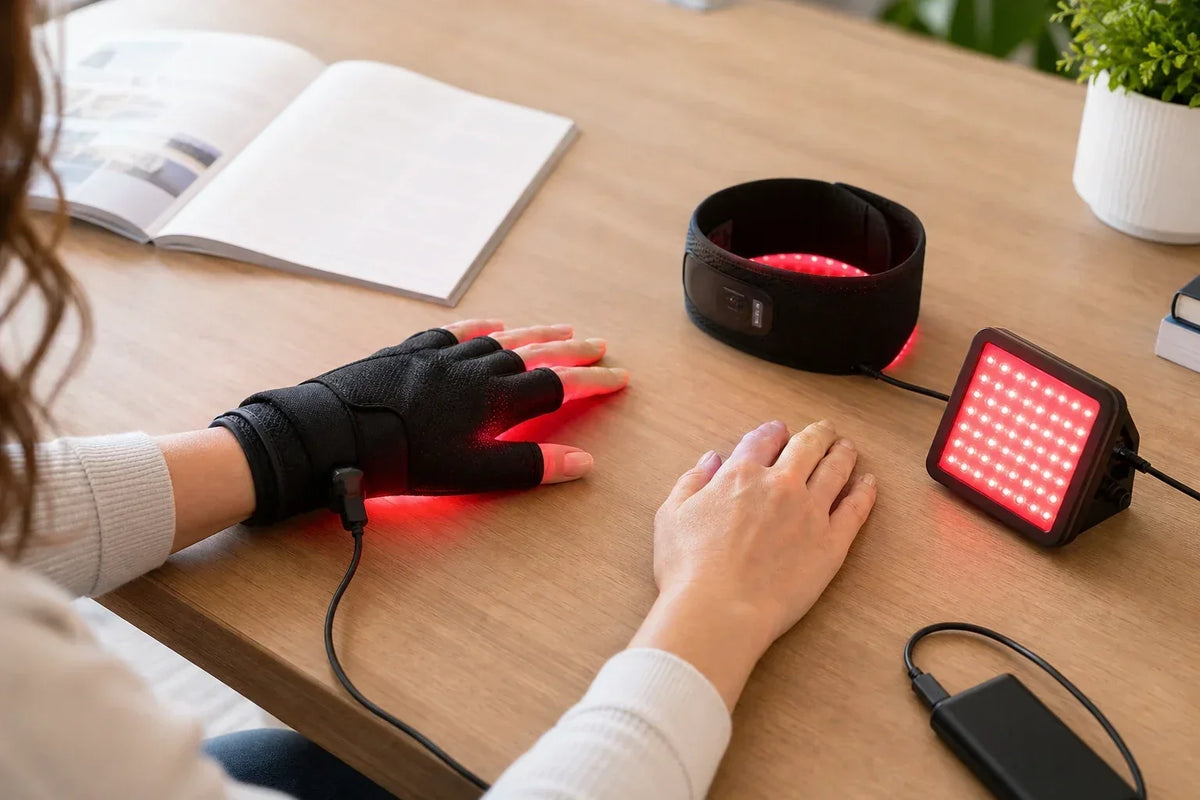
Before looking at prices, choose the form factor. This is where many buyers make the wrong decision. A red light bed gives large coverage and a relaxed lying-down experience. A panel is more flexible for standing, sitting, or targeted use. A mat can be easier to place on a sofa, bed, or floor.
| Option | Best For | Home Space Needed | Main Advantage | Watch Before Buying |
|---|---|---|---|---|
| Full Red Light Bed | Users who want full-body coverage and a spa-like routine | Dedicated room, gym area, or large bedroom | Comfortable lying-down experience | Higher cost and less portable |
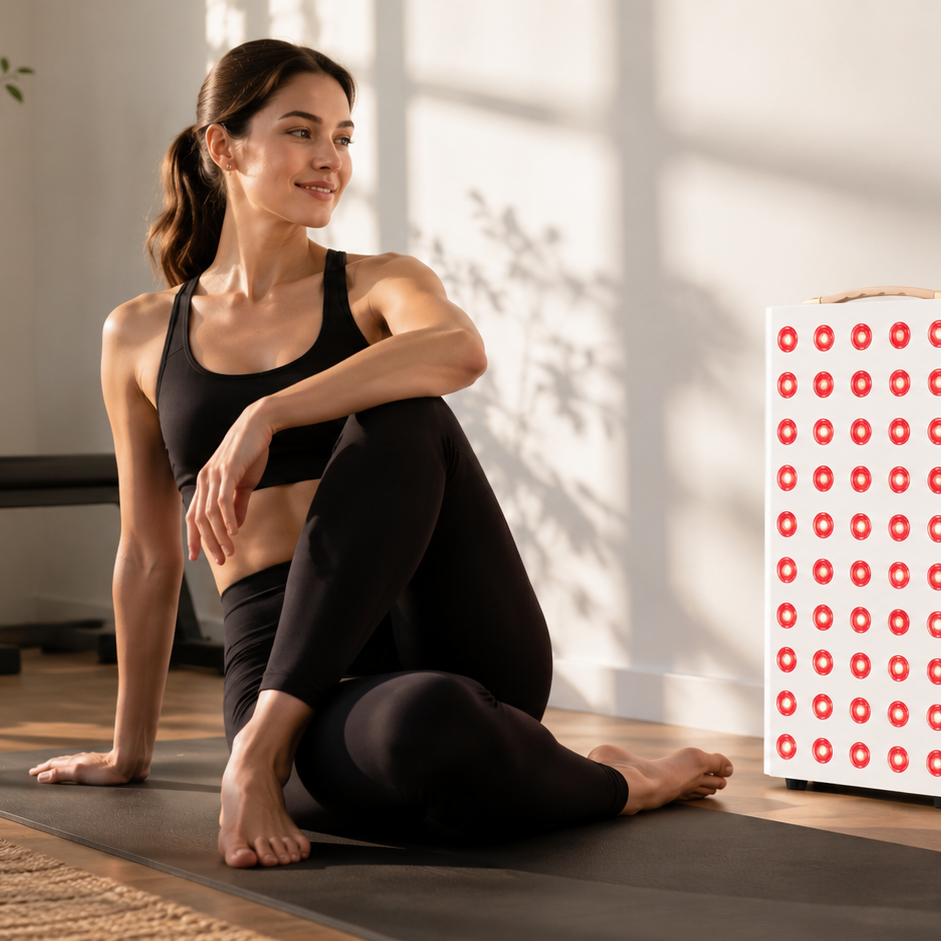
| Large Red Light Panel | Users who want strong coverage with flexible placement | Wall, door, stand, or corner space | Good balance of coverage and practicality | Requires distance planning |
| Red Light Mat | Users who want easy storage and casual use | Bed, sofa, or floor space | Simple to store and move | Check heat comfort and build quality |
| Portable Device | Beginners testing the habit first | Very small | Lower entry cost | Less coverage per session |
My honest take: if this is your first home setup, a red light panel often makes more sense than a full bed. But if you already know you like lying down for your routine, and you have a fixed space, a bed can feel much more natural. That is the difference between buying a product and building a habit.
What Size Red Light Therapy Bed at Home Should You Choose?
Size should match your body coverage goal and your room layout. A full-size bed-style setup is best when you want a dedicated wellness corner. But for many homes in the U.S., especially apartments or shared spaces, a vertical panel on a stand can be more realistic.
Small Space Setup
If you live in an apartment, dorm, or compact home office, do not force a full bed into the room. A wall-mounted or stand-mounted device can keep the area clean. Look for a setup that can stay plugged in, because if you need to unpack wires every time, you will probably use it less.
Home Gym Setup
A garage gym or workout room is one of the easiest places to use a red light therapy bed at home. The device can become part of your cool-down ritual. Keep it near a yoga mat, bench, or stretching area. This way, it feels like a normal step, not a separate task.
Bedroom Setup
Bedroom use is popular because it feels private and calm. The key is cable management. Use a safe outlet position, leave walking space around the device, and avoid placing bright light where it bothers another person in the room. Simple setup wins.
Which Wavelengths Matter for Home Use?
Most home red light devices focus on red and near-infrared light. A common consumer setup includes red light around 660nm and near-infrared around 850nm. Cleveland Clinic notes that red light does not use the same type of ultraviolet light found in tanning beds, which is one reason many users see it as a gentler wellness option. You can review their overview here: Cleveland Clinic red light overview.
For shoppers, the practical question is not just wavelength. It is also coverage, distance, session time, comfort, build quality, and whether you can use the device consistently. A red light therapy bed at home with impressive numbers is not helpful if it is too large, too hot, too noisy, or hard to clean.
How Much Does a Home Red Light Bed Cost?
Prices vary widely. A small device may cost far less than a full bed-style system. Large panels usually sit in the middle, while full-body beds tend to be the biggest investment. Instead of chasing the cheapest price, compare cost per use. If you use a $1,200 setup four times a week for two years, the real daily cost becomes much easier to understand.
| Budget Level | Likely Device Type | Good For | Buyer Advice |
|---|---|---|---|
| Entry Level | Portable device or small panel | Testing the habit | Start here if you are unsure about consistency |
| Mid Range | Large panel or panel set | More body coverage at home | Best balance for many home users |
| Premium | Bed-style or full-body system | Dedicated wellness room | Buy only if space and usage are clear |
Also check warranty, return window, replacement parts, customer support, and whether the brand explains its parameters clearly. The FTC guidance is useful here because it reminds brands to avoid exaggerated promises. As a buyer, you should apply the same rule: clear details matter more than loud claims.

How to Set Up a Red Light Therapy Bed at Home
Here is a simple setup method that works for most American homes.
Step 1: Pick the Room First
Choose the room before choosing the device. Measure the floor area, outlet position, ceiling height, and storage space. A device that technically fits but blocks your daily movement will soon become frustrating.
Step 2: Create a Repeatable Routine
Use the device at a time you can repeat. Many people prefer after a shower, after a workout, or before winding down in the evening. The exact time matters less than consistency.
Step 3: Follow the Brand Instructions
Distance and session length should follow the manufacturer’s guide. Do not guess. More is not always better. A calm, moderate routine is usually easier to keep than an aggressive schedule.
Step 4: Protect Your Eyes and Comfort
Bright light can feel intense. Use the eye protection recommended by the brand, especially with near-infrared modes. Also pay attention to skin comfort, room temperature, and ventilation.
Step 5: Track Real Usage
Write down how often you use it for the first 30 days. Not every detail needs to be scientific. Just track whether the routine fits your life. If it does, you made a good home purchase. If it does not, the device may be too complicated for your daily rhythm.
Common Buying Mistakes
The first mistake is buying too large too early. A full red light therapy bed at home feels premium, but it can be overkill for beginners. The second mistake is ignoring the room setup. The third mistake is believing dramatic claims without checking the product details.
A smarter path is to ask four questions:
- Will I use this at least three times a week?
- Can it stay set up without making the room messy?
- Does the brand clearly explain wavelength, coverage, and use distance?
- Is the return policy clear enough if it does not fit my home?
Who Should Choose a Bed Instead of a Panel?
A bed-style setup makes sense for users who already have a dedicated wellness space, prefer lying down, and want a more immersive routine. It can also work for couples or families who will share the device. In that case, the cost per use becomes more reasonable.
A panel makes more sense if you want flexibility. You can place it near a desk, home gym, or bedroom corner. A panel also makes it easier to adjust position based on daily needs. For many people, this is the most practical first serious upgrade.
Final Checklist Before You Buy
| Checklist Item | Why It Matters | Good Sign |
|---|---|---|
| Room Fit | The device must fit real home life | You can leave it ready to use |
| Clear Specs | Helps compare devices fairly | Wavelength, size, and distance are listed |
| Simple Controls | Reduces daily friction | Easy timer and mode selection |
| Support and Warranty | Protects a larger purchase | Clear return and service policy |
| Claim Quality | Avoids exaggerated marketing | Brand uses measured, realistic language |
My Personal View
If you are searching for a red light therapy bed at home, do not start with the biggest machine in your mind. Start with your room, your schedule, and your patience. A device you can use comfortably four times a week is better than a beautiful setup you avoid because it is hard to move, too bright, or taking over the room.
My suggestion is simple: choose the smallest setup that still gives you the coverage you truly want. If you already have a home gym or wellness room, a bed-style system can feel excellent. But for most first-time users, a high-quality panel or modular setup is easier to live with. Build the habit first. Upgrade when your routine proves it deserves more space.