How long should a red light therapy session be? Learn when 5, 10, or 20 minutes makes sense, how distance changes timing, and how often to use it.
Editorial Review: This article was created with reference to public red light therapy and LED light therapy resources, including Cleveland Clinic, Harvard Health, the American Academy of Dermatology, FDA general wellness guidance, and FTC health product compliance guidance. It is written for consumer education and at-home routine planning, not medical advice.

If you are asking how long should a red light therapy session be, the practical answer is this: most at-home users should start with about 5 to 10 minutes per area, then work toward 10 to 20 minutes if the device instructions support it. A session does not need to be long to be useful. In fact, longer sessions are not automatically better.
My personal take is simple: session time is not a competition. The best red light therapy routine is usually the one you can repeat safely and consistently without guessing. A bright body panel, a face mask, a small handheld device, and a full-body bed should not all be used for the same amount of time.
The better question is not only “How many minutes?” It is “How many minutes, at what distance, with what device, on what area, and how often?” That is where most home users get confused.
Quick Q&A: What Most People Want to Know First
| Question | Short Answer | My Practical Note |
|---|---|---|
| How long should a red light therapy session be? | For many at-home users, 10 to 20 minutes per area is a common range, but beginners often start with 5 to 10 minutes. | I would start shorter and follow the device manual before increasing time. |
| Is 10 minutes of red light therapy enough? | Often, yes, especially for beginners, face routines, and smaller treatment areas. | If I were new, I would rather do 10 minutes consistently than overdo a long session once. |
| Is 20 minutes too long? | Not always, but it depends on device strength, distance, and body area. | Twenty minutes can be reasonable for some panels, but I would not treat it as the default for every device. |
| Can you do red light therapy every day? | Some device routines allow daily use, while others recommend 3 to 5 sessions per week. | I would build consistency first, not maximum frequency. |
| How long should red light therapy be for face? | Many face masks and facial LED devices use shorter sessions, often around 10 minutes. | The face is not where I would experiment with extra-long exposure. |
| How long should red light therapy be for body? | Body panel sessions often fall around 10 to 20 minutes per area, depending on distance and output. | Panel distance matters as much as the timer. |
The Simple Timing Rule: Start With 5–10 Minutes
If you are new to red light therapy, the safest practical starting point is usually 5 to 10 minutes per area. This gives you time to understand the device brightness, warmth, distance, and how the routine feels.
A common mistake is buying a panel and immediately using it for the longest session shown online. That is not how I would start. I would begin conservatively, repeat the routine for a couple of weeks, and only then decide whether longer sessions make sense.
Cleveland Clinic describes red light therapy as an emerging area that still needs more research for many uses. You can review its overview here: Cleveland Clinic red light therapy overview.
| User Level | Practical Session Length | Frequency Starting Point | My Note |
|---|---|---|---|
| Complete beginner | 5–10 minutes per area | 3 times per week | Best for learning distance, comfort, and device feel. |
| Regular home user | 10–15 minutes per area | 3–5 times per week | A realistic routine for many people. |
| Experienced panel user | 15–20 minutes per area | Based on manual guidance | Only if the device instructions support it. |
| Face mask user | Often around 10 minutes | Follow mask instructions | Do not copy body panel timing for a face mask. |
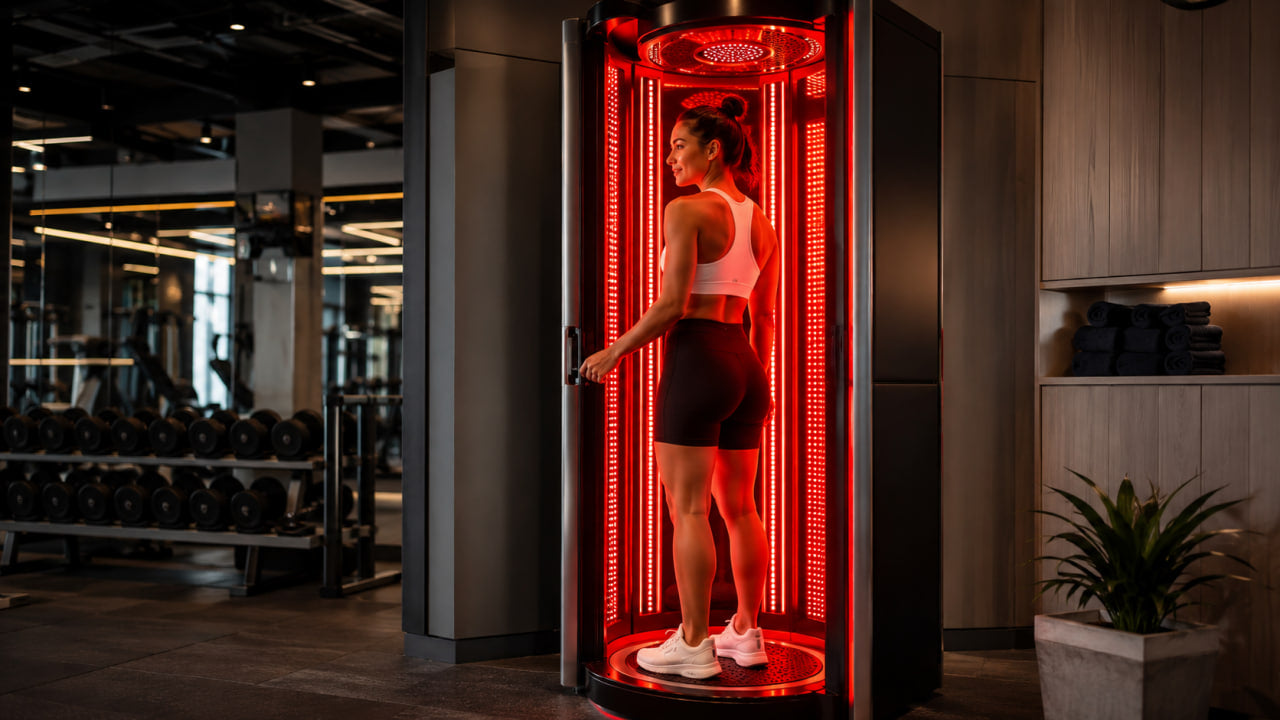
| Full-body setup user | Often 10–20 minutes total or per position | Follow the bed or panel system manual | Whole-body exposure should be guided, not guessed. |
Why There Is No One Perfect Session Time
The reason this question is tricky is that red light therapy devices are not identical. A small face mask, a handheld wand, a portable panel, a large body panel, and a commercial bed can all have different outputs and distances.
That means “10 minutes” does not mean the same thing on every device. A strong panel used close to the body may deliver more light in 10 minutes than a weaker device used farther away.
Here’s the practical way I’d look at it: the timer is only one part of the dose. Distance, brightness, wavelength, body area, and frequency also matter.
| Factor | Why It Changes Session Time | What to Do |
|---|---|---|
| Device power | A stronger panel may need less time than a weaker device. | Check the manufacturer’s timing guide. |
| Distance | Farther distance usually lowers light intensity. | Use the recommended distance range. |
| Body area | Face, scalp, torso, and legs are not used the same way. | Match the routine to the area. |
| Frequency | Daily short sessions differ from longer sessions a few times weekly. | Do not increase both time and frequency too fast. |
| Skin comfort | Warmth, redness, or discomfort may mean the setup is too intense. | Shorten the session or increase distance. |
| Eye exposure | Bright panels near the face need more caution. | Use eye protection if recommended. |
How Long Should Red Light Therapy Be for the Face?
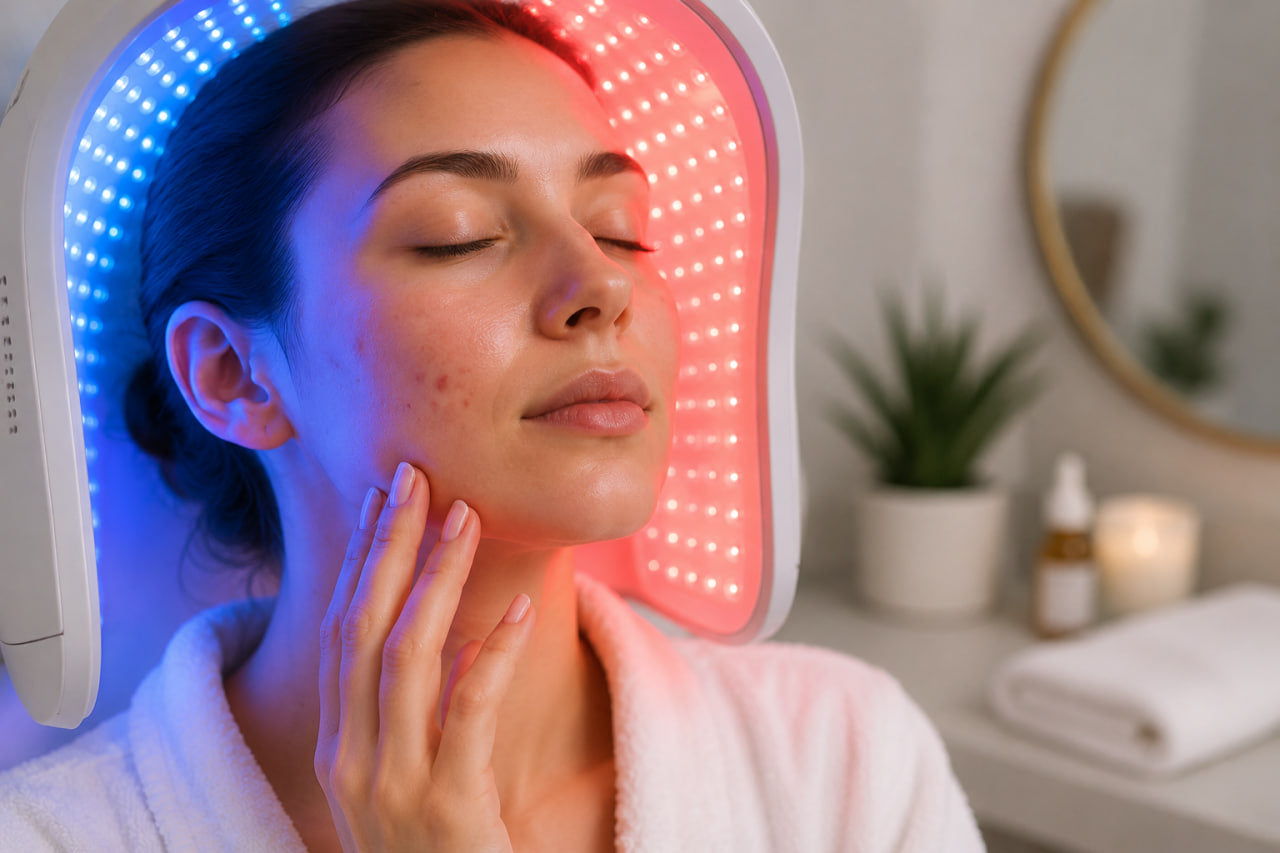
For the face, many users should think shorter and more controlled. LED masks and face-focused devices often use built-in timers, commonly around 10 minutes, though the exact session length depends on the product.
Harvard Health recommends wearing eye protection if the device directions recommend it and making sure the light is not going into the eyes. You can review its guidance here: Harvard Health red light therapy guidance.
In my view, the face is not the place to improvise with longer sessions. Facial skin routines already involve cleansers, serums, moisturizers, retinoids, exfoliants, and sun exposure. Keep the light step simple.
Face Routine Example
- Cleanse and dry the skin.
- Use the LED mask or facial device for the recommended time.
- Keep eyes closed or use shields if instructed.
- Apply gentle skincare after the session if that fits your routine.
- Track skin comfort instead of changing multiple products at once.
How Long Should Red Light Therapy Be for the Body?
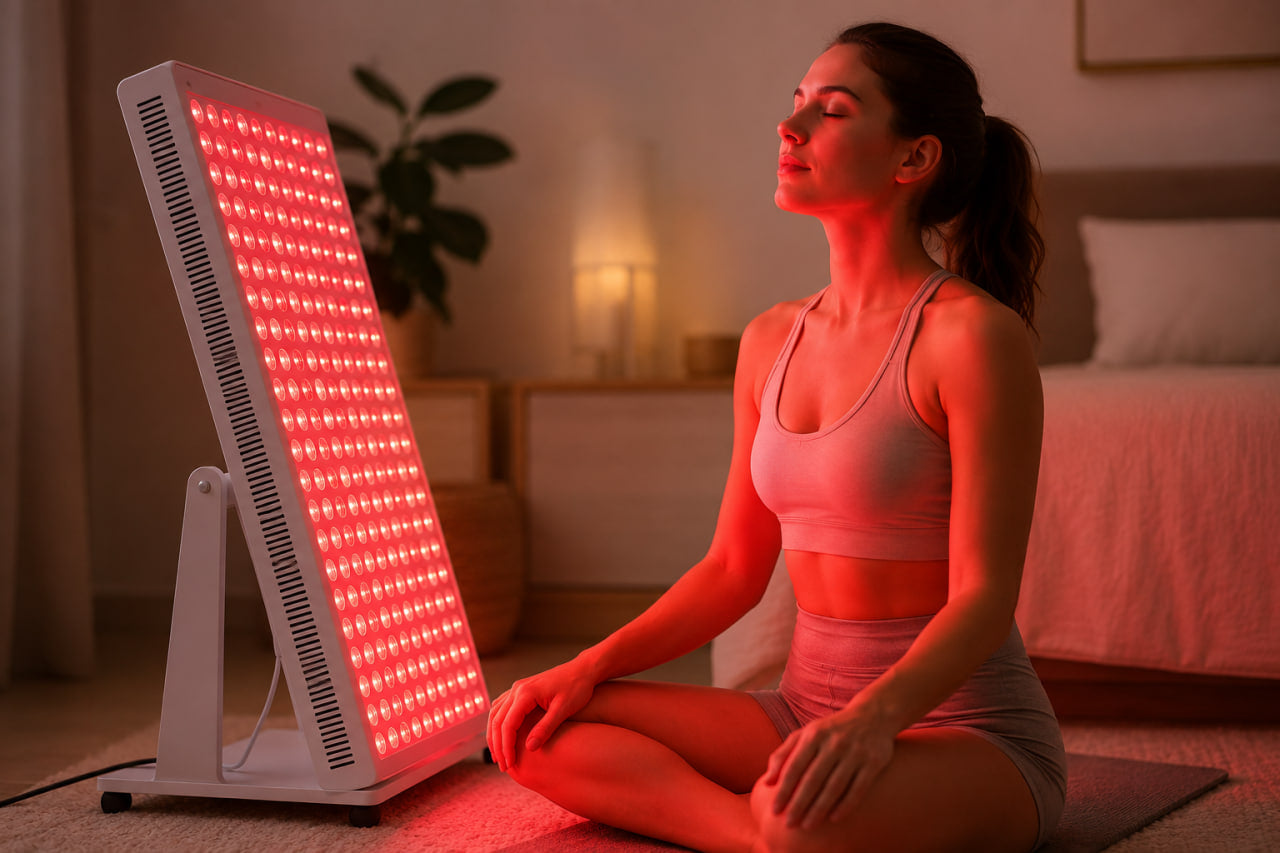
For body panels, a common at-home range is 10 to 20 minutes per area. Some users may do shorter sessions closer to the panel, while others may use longer sessions at a greater distance. The manual should decide the boundary.
If you are using a panel for the torso, back, legs, or shoulders, position matters. Standing too close for too long is not smarter. Sitting far away for too little time may also be less useful. The balance is distance plus time.
My practical view: pick one body area first. Do not try to create a complicated full-body routine on day one. Use a repeatable setup, then adjust slowly.
| Body Area | Common Session Range | Setup Note | What I Would Avoid |
|---|---|---|---|
| Face | Often around 10 minutes | Use mask or face-device instructions. | Extra-long face sessions. |
| Upper body | 10–20 minutes | Use recommended panel distance. | Standing too close without eye protection. |
| Back | 10–20 minutes | Make positioning comfortable and repeatable. | Twisting awkwardly just to chase coverage. |
| Legs | 10–20 minutes per area | Larger panels make this easier. | Trying to cover too much with a tiny device. |
| Scalp | Follow device instructions | Caps and helmets differ from panels. | Assuming a body panel works like a scalp device. |
How Often Should You Do Red Light Therapy?
For many at-home routines, 3 to 5 sessions per week is a practical starting range. Some devices allow daily use, but that does not mean every beginner should start daily.
I would rather see someone do 10 minutes, 3 to 5 times per week, for several weeks than do a 30-minute session randomly and then stop. Consistency is the part people underestimate.
The American Academy of Dermatology recommends following specific precautions when choosing and using at-home red light devices, including guidance from a board-certified dermatologist and careful product selection. You can review the AAD guide here: American Academy of Dermatology red light therapy guide.
| Goal of Routine | Beginner Schedule | Later Schedule | My Practical Note |
|---|---|---|---|
| Simple home wellness routine | 5–10 minutes, 3 times weekly | 10–15 minutes, 3–5 times weekly | Keep it easy enough to repeat. |
| Facial LED routine | Follow mask timer | Follow brand instructions | Do not mix too many skincare changes at once. |
| Body panel routine | 10 minutes per area, 3 times weekly | 10–20 minutes per area if appropriate | Distance matters as much as time. |
| Busy schedule | Short sessions on fixed days | Keep the same days weekly | A routine you remember beats a perfect plan you ignore. |
Is a 30-Minute Red Light Therapy Session Better?
Not usually as a default. A longer session may sound more powerful, but red light therapy does not work like “more minutes always equals more value.” With light-based routines, dose matters.
If your device manual says 10 minutes, do not assume 30 minutes is three times better. If your panel is strong and close, a long session may simply be unnecessary.
This is where many home users get confused. They try to make the routine more effective by making it more intense. I would do the opposite: make the routine more consistent, more comfortable, and easier to repeat.
What Happens If a Session Is Too Long?
If a red light therapy session is too long, too close, or too frequent, some users may notice warmth, temporary redness, dryness, eye discomfort, or general irritation. That does not mean everyone will respond the same way, but it is a sign to adjust.
FDA general wellness guidance explains how low-risk wellness products are approached when they are positioned around general wellness use. You can review it here: FDA General Wellness Policy for Low Risk Devices.
FTC guidance also reminds businesses that health-related claims should be truthful, not misleading, and supported by reliable evidence. You can review it here: FTC Health Products Compliance Guidance.
| Signal | What It May Mean | What to Adjust |
|---|---|---|
| Warmth feels too intense | Device may be too close or session too long | Increase distance or reduce time. |
| Eyes feel strained | Light may be too bright near the face | Use goggles or change position. |
| Skin feels dry | Routine may be too frequent or skincare may be too aggressive | Shorten sessions and simplify skincare. |
| Routine feels hard to maintain | Plan may be too complicated | Use fewer areas or shorter sessions. |
| No clear schedule | Inconsistent use makes results hard to judge | Pick fixed days and times. |
How to Build a Beginner-Friendly Red Light Therapy Routine
If I were helping a friend set up red light therapy at home, I would keep the first month boring. Boring is good here. It helps you know what is working and what needs adjusting.
Start with one device, one distance, one body area, and one simple schedule. Do not change session time, frequency, skincare, supplements, sleep schedule, and workout plan all at once. If you change everything together, you will not know what mattered.
Simple 4-Week Routine Example
| Week | Session Length | Frequency | Focus |
|---|---|---|---|
| Week 1 | 5–8 minutes | 3 times weekly | Learn distance, brightness, and comfort. |
| Week 2 | 8–10 minutes | 3 times weekly | Keep the same body area and routine. |
| Week 3 | 10–15 minutes | 3–4 times weekly | Increase only if the manual supports it. |
| Week 4 | 10–20 minutes | 3–5 times weekly | Settle into a routine you can maintain. |
Common Mistakes With Red Light Therapy Session Time
The biggest mistake is thinking the longest session is the best session. The second is copying someone else’s routine without knowing their device. The third is ignoring distance.
From an editor’s point of view, what often gets missed is the “per area” detail. Ten minutes on the face, ten minutes on the back, and ten minutes on each leg can quickly become a long routine. Keep the total plan realistic.
| Mistake | Why It Happens | Better Move |
|---|---|---|
| Starting with 20 minutes immediately | People want faster results | Start with 5–10 minutes and build slowly. |
| Ignoring distance | Users focus only on minutes | Follow the device’s distance guide. |
| Using face mask timing for body panels | All red light devices get grouped together | Match timing to device type. |
| Doing too many body areas at once | The routine becomes too ambitious | Choose one or two priority areas first. |
| Skipping eye protection | The user assumes red light is always gentle | Use shields or goggles if recommended. |
| Changing the routine every few days | Impatience makes tracking impossible | Keep the same routine long enough to judge it fairly. |
My Practical View
My personal take is simple: for most at-home users, I would start with 5 to 10 minutes and settle into 10 to 20 minutes only if the device instructions support that range. I would not chase long sessions just because they feel more serious.
If this were my routine, I would choose one time of day, one area, and one distance for the first few weeks. I would use eye protection when recommended. I would track comfort. I would not change five other habits at the same time.
The part I would pay attention to is consistency. A clear 10-minute routine done several times a week is usually more realistic than a complicated 45-minute routine that you stop after four days.
So, how long should a red light therapy session be? For many home users: start short, stay consistent, follow the manual, and think in weeks, not one oversized session.
References
- Cleveland Clinic: Red Light Therapy Overview
- Harvard Health: Red Light Therapy for Skin Care
- American Academy of Dermatology: Red Light Therapy Safety Guide
- Health.com: How Often Should You Do Red Light Therapy?
- Restore Hyper Wellness: Red Light Therapy Service Overview
- FDA: General Wellness Policy for Low Risk Devices
- FTC: Health Products Compliance Guidance
FAQ
How long should a red light therapy session be?
For many at-home users, a red light therapy session is commonly around 10 to 20 minutes per area. Beginners often start with 5 to 10 minutes and follow the device manual before increasing time.
Is 10 minutes of red light therapy enough?
Yes, 10 minutes can be enough for many home routines, especially for beginners, face devices, and smaller areas. Device type, distance, and consistency matter too.
Is 20 minutes of red light therapy too much?
Twenty minutes is not automatically too much, but it depends on the device, distance, and area. Do not use 20 minutes as a default if your manual recommends a shorter session.
Can I do red light therapy for 30 minutes?
I would not use 30 minutes as a beginner default. If a device allows longer sessions, follow the manual carefully and pay attention to warmth, eye comfort, and skin response.
How often should you do red light therapy?
Many home routines use red light therapy 3 to 5 times per week. Some devices allow daily use, but frequency should follow the device instructions and your comfort level.
Should red light therapy be done before or after skincare?
For facial routines, many users prefer clean, dry skin before the light session, then apply serum or moisturizer afterward. Follow your device instructions and avoid adding too many active products at once.