Commercial red light therapy guide for spas, gyms, and wellness studios. Compare beds, panels, equipment cost, session pricing, ROI, and claims.
Editorial Note: This article is written for spa owners, gym operators, wellness studios, recovery rooms, and business buyers comparing commercial red light therapy equipment. It is for business education and consumer understanding, not medical advice or a treatment recommendation.

If you searched commercial red light therapy, you are probably not looking for a small face mask. You are likely asking a business question: what kind of red light therapy equipment belongs in a spa, gym, wellness clinic, recovery studio, or premium home wellness room, how much does it cost, and how do you price sessions without making risky claims?
The direct answer is this: commercial red light therapy usually means a larger, more durable light setup designed for repeated use, clear client positioning, easy cleaning, and a room layout that feels professional. The best choice is not always the biggest bed. For many businesses, a panel system is easier to start with, easier to service, and easier to scale.
My personal take is simple: I would not buy commercial red light therapy equipment only because it looks impressive. I would start with the business model first. Are you selling standalone sessions, adding it to an existing spa menu, improving a gym recovery area, or building a premium wellness membership? The answer changes the equipment you should consider.
Quick Q&A: What Most Business Buyers Want to Know First
| Question | Short Answer | My Practical Note |
|---|---|---|
| What is commercial red light therapy? | It is red light therapy equipment and service design built for repeated client or member use. | I would think beyond the device: room, pricing, cleaning, staff training, and claims all matter. |
| What equipment is best for a business? | Beds, pods, large panels, multi-panel systems, and booths are all common options. | For many first-time operators, panels are easier than beds. |
| How much does commercial red light therapy equipment cost? | Commercial panels can start far lower, while beds and pods can reach tens of thousands of dollars. | I would price the whole setup, not just the product page. |
| How much can a red light therapy session cost? | Many businesses position sessions from about $25 to $125 depending on market, device, and package structure. | The right price depends on your audience and whether it is standalone or bundled. |
| Do you need a dedicated room? | Usually yes for a premium experience, especially with beds or larger panel systems. | The room often sells the service before the device does. |
| Can I market it as a medical service? | Be careful. Health-related claims need proper support and should not overpromise. | I would keep commercial copy focused on wellness, routine, comfort, and device experience unless you have the right regulatory support. |
What Commercial Red Light Therapy Really Means
Commercial red light therapy is not just a stronger version of a home gadget. It is a complete service setup. The equipment may be larger, brighter, more durable, and more comfortable for repeated sessions, but the business side matters just as much.
A spa owner needs a room that feels calm. A gym owner needs a system that members can understand quickly. A wellness clinic needs clean instructions and careful language. A recovery studio needs throughput, scheduling, and staff consistency.
Cleveland Clinic explains that red light therapy uses red or near-infrared light and that more research is still needed for many claimed uses. You can review its overview here: Cleveland Clinic red light therapy overview.
Here’s the practical way I’d look at it: commercial red light therapy is a room, a routine, a device, a price point, and a promise. The promise is the part I would be most careful with.
Commercial Red Light Therapy Equipment Types
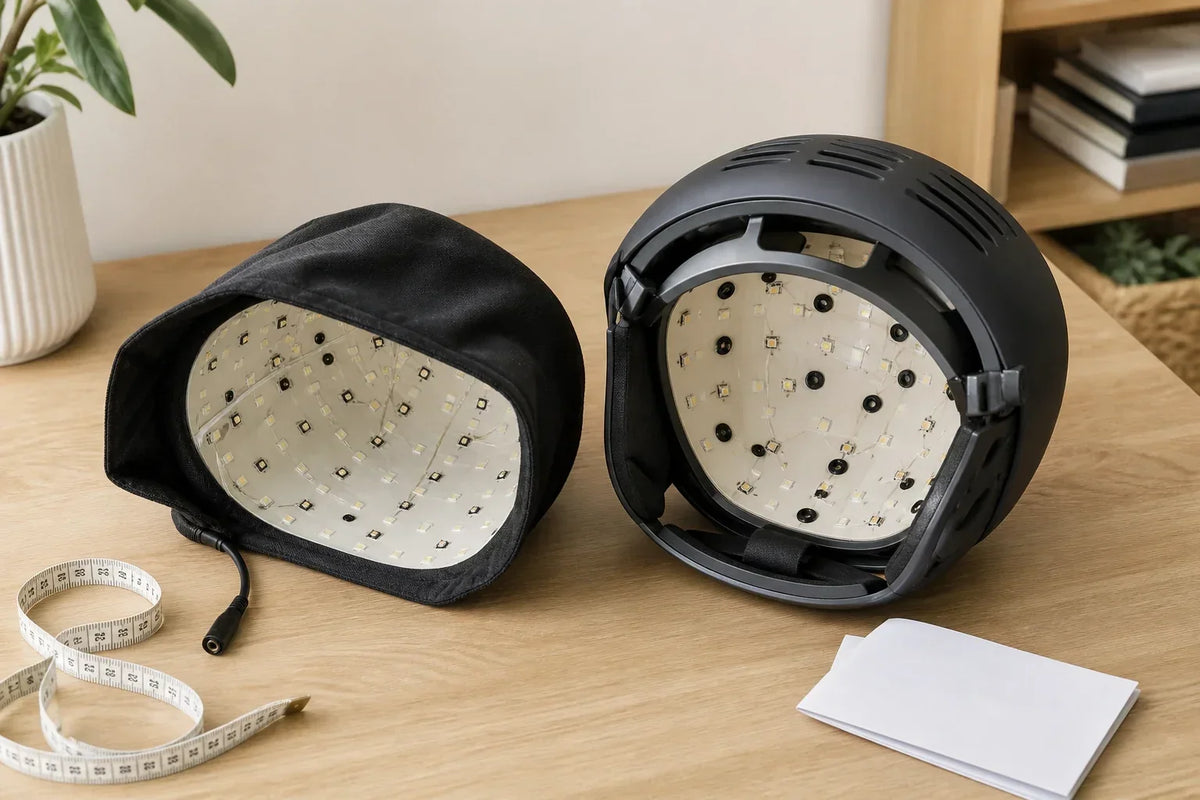
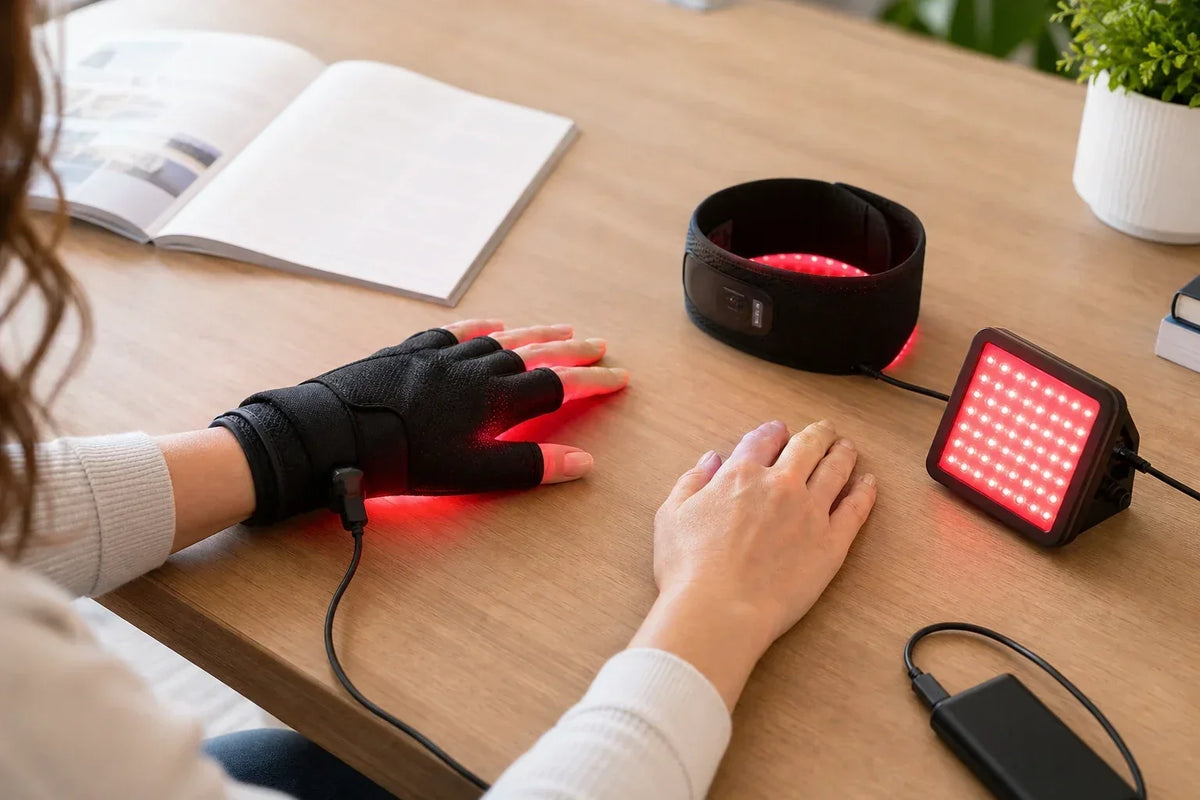
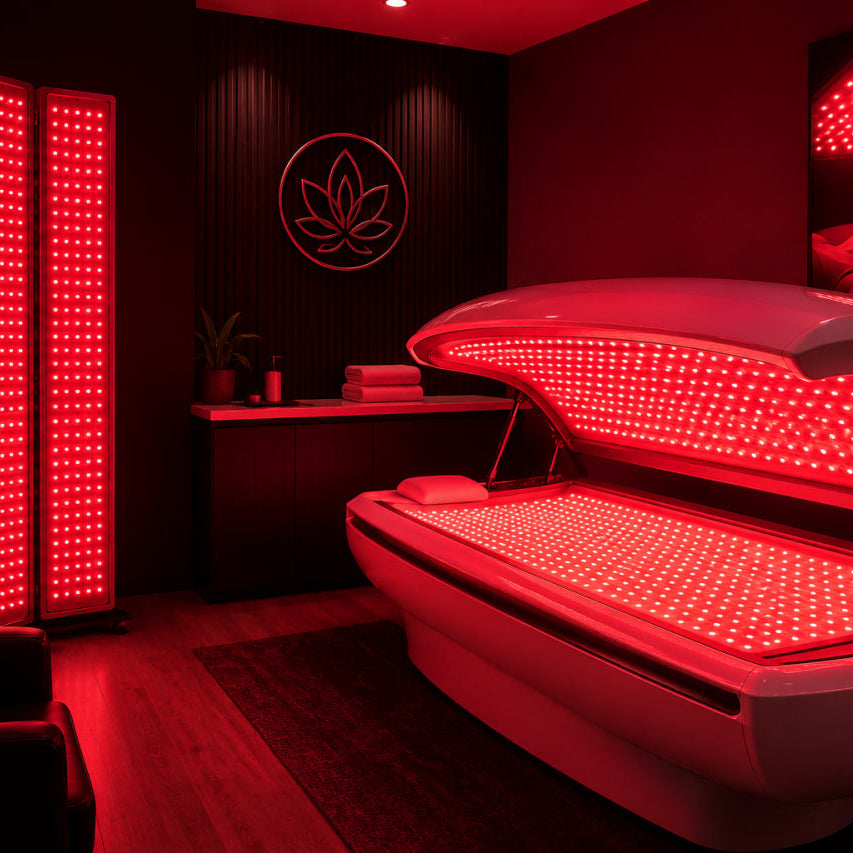
The equipment category is wider than most buyers expect. A commercial red light therapy setup can be a full-body bed, a pod, a booth, a wall of panels, a mobile panel system, or a smaller add-on device for facial services.
The best equipment depends on your space, budget, staffing model, and how you want clients to experience the session.
| Equipment Type | Best Fit | Business Advantage | What I Would Watch |
|---|---|---|---|
| Commercial red light therapy bed | Spas, luxury wellness rooms, recovery centers | Premium, full-body, passive experience | High cost, large footprint, freight, maintenance |
| Red light therapy pod | Studios wanting a high-end booth-like experience | Feels immersive and easy to package | Electrical, ventilation, cleaning, and service access |
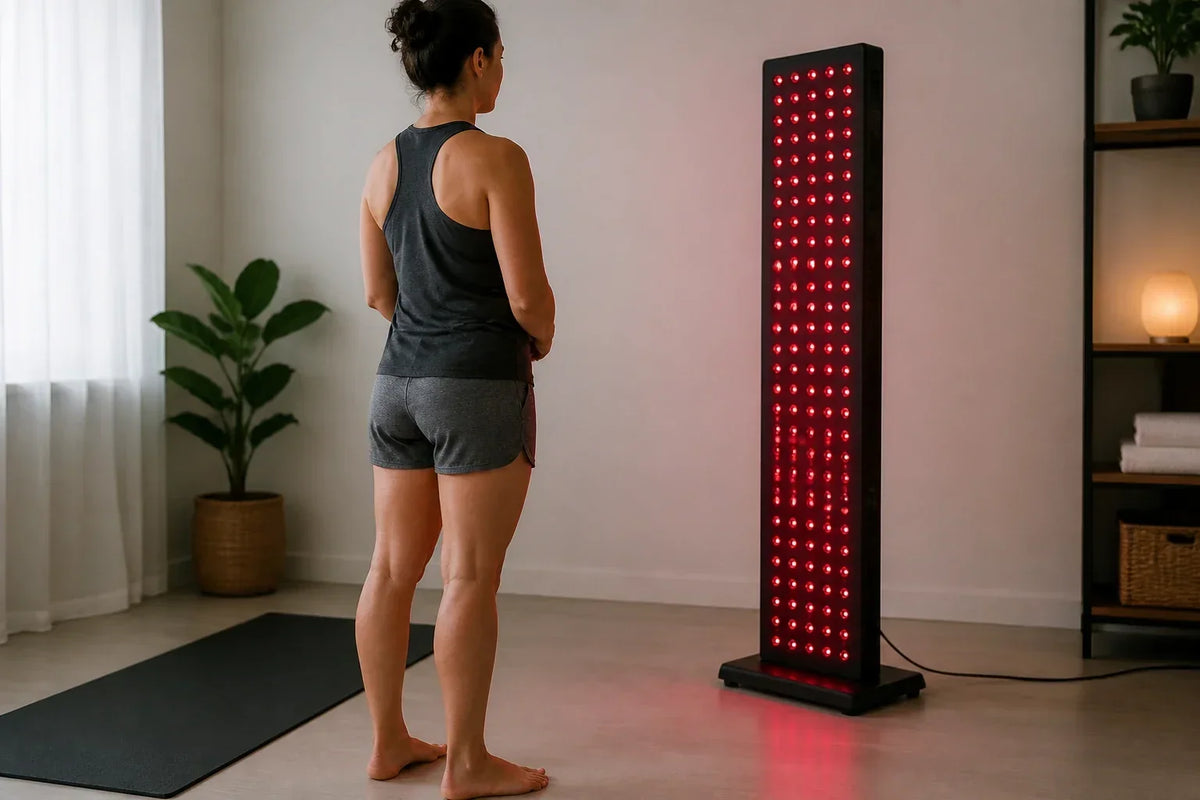
| Large commercial panels | Gyms, wellness studios, clinics, home studios | Flexible, scalable, easier to move | Requires clear distance and session instructions |
| Multi-panel wall setup | Recovery rooms and fitness centers | Broad coverage without a bed | Room layout and user positioning matter |
| Facial LED system | Estheticians, facial rooms, beauty spas | Easy add-on to skincare services | Should be positioned carefully and cleaned well |
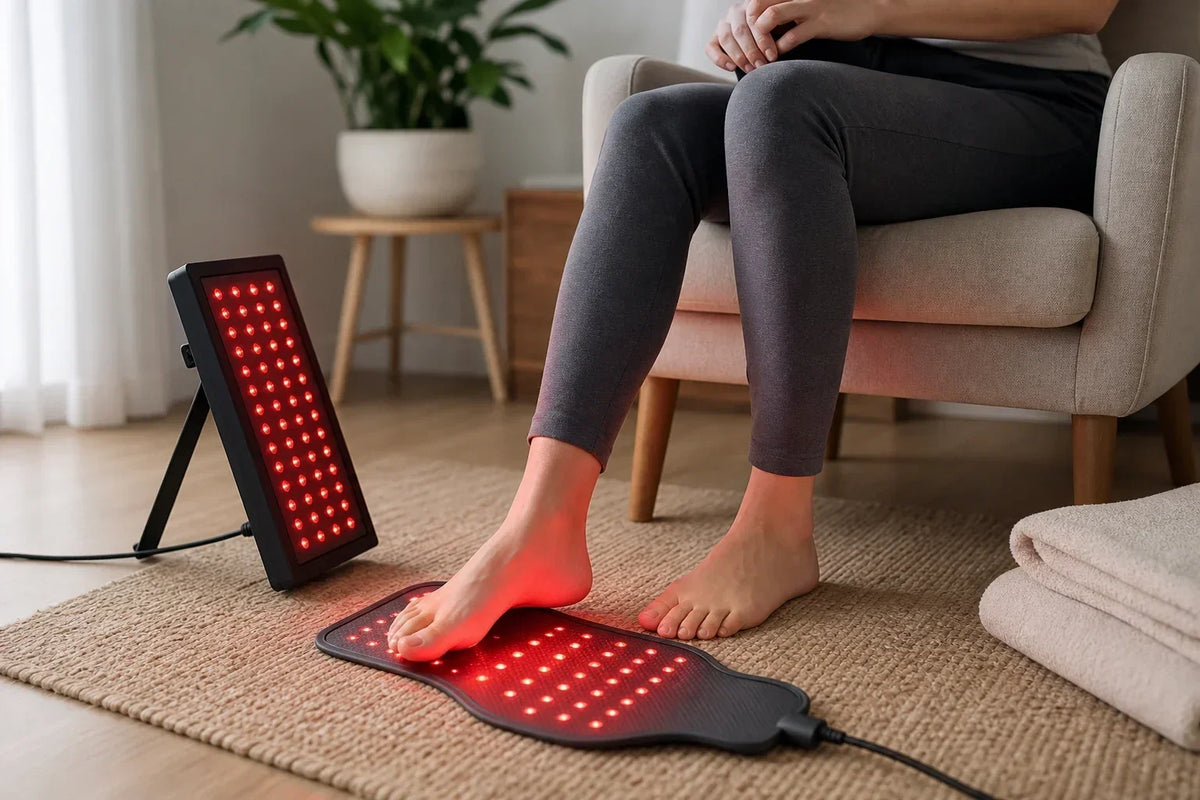
| Portable panel setup | Small businesses testing demand | Lower commitment and easier storage | Less dramatic than a dedicated room |
Commercial Bed vs Panels: Which Makes More Sense?
This is the key decision. A commercial red light therapy bed feels premium. It photographs well, clients understand the “lie down and relax” experience, and it can support a higher-priced service.
Panels are less dramatic, but they can be more practical. They cost less, move more easily, and allow a business to start smaller. If I were opening a small wellness room, I would compare panels first before committing to a full commercial bed.
| Business Factor | Commercial Bed | Panel System |
|---|---|---|
| Upfront cost | Usually much higher | Lower and easier to scale |
| Client experience | Premium, passive, spa-like | Flexible, more instructional |
| Space needs | Needs dedicated floor area | Can fit against a wall or on stands |
| Service speed | Simple client flow once room is ready | May require more positioning guidance |
| Maintenance | Large parts can be harder to service | Individual panels are easier to replace or upgrade |
| Best for | Luxury spas and premium wellness centers | Gyms, small studios, clinics, and test-launch setups |
How Much Does Commercial Red Light Therapy Equipment Cost?
Commercial red light therapy equipment can range from lower-cost panel systems to large full-body beds that cost tens of thousands of dollars. Search results often show commercial beds and full-body systems in a high price range, while panel systems can be much more accessible.
I would not compare only “device vs device.” Compare total setup cost: equipment, shipping, room buildout, staff training, cleaning supplies, electrical checks, replacement parts, and marketing.
| Setup Type | Typical Cost Level | What Is Included | My Practical View |
|---|---|---|---|
| Starter commercial panel setup | Lower to mid-range | One or more panels, stand, goggles, simple room setup | Best first step for many small businesses. |
| Multi-panel commercial setup | Mid-range | Several panels for broader coverage | Good balance between coverage and flexibility. |
| Commercial bed or pod | High range | Large full-body system, frame, controls, freight | Only makes sense if your business model can support the room and price. |
| Premium recovery room | High to very high range | Device, room design, lighting, seating, membership flow | The room experience becomes part of the product. |
| Commercial skincare LED setup | Variable | Facial LED system integrated into service menu | Works best as an add-on, not always as a standalone draw. |
Session Pricing: How Businesses Usually Think About It
Commercial red light therapy pricing depends on the market, the device, the room quality, and whether the session is sold alone or bundled. Some commercial providers describe average session prices around $25 to $125, depending on market and package structure.
My view is that the lowest price is not always the best strategy. A cheap session in a messy room feels forgettable. A well-designed room with clear instructions and a calm process can support stronger pricing.
| Pricing Model | How It Works | Best Fit | Watchout |
|---|---|---|---|
| Single session | Client pays per visit | Spas, walk-in wellness rooms | Revenue can be inconsistent without repeat use. |
| Session package | Client buys 5, 10, or 20 sessions | Studios building repeat behavior | Must manage expectations carefully. |
| Membership add-on | Monthly access added to gym or wellness membership | Gyms and recovery centers | Needs scheduling controls to avoid crowding. |
| Premium room upgrade | Red light is part of a larger recovery room | Fitness clubs and luxury wellness spaces | The entire room must feel worth the upgrade. |
| Service bundle | Red light added to facial, sauna, or recovery services | Spas and estheticians | Keep claims conservative and service-focused. |
ROI: The Simple Math Before You Buy
ROI is not only about how many sessions you need to sell. It is also about how hard the service is to operate. A bed may support higher pricing, but it also ties up a room and costs more upfront. A panel setup may produce lower-ticket sessions but can be easier to launch.
If I were calculating this for a small business, I would use conservative numbers first. Do not build your plan around every hour being booked. Most new services need time to educate clients and build repeat use.
| ROI Question | Why It Matters | My Practical Check |
|---|---|---|
| How many sessions per week can I realistically sell? | Demand decides payback speed | Start with a conservative estimate. |
| What is the average session price? | Pricing changes revenue fast | Compare local spas, gyms, and wellness rooms. |
| Is the device standalone or bundled? | Bundling can increase usage | A gym membership add-on may outperform one-off sales. |
| How much staff time is required? | Labor affects profitability | Unattended or low-touch setups need clearer instructions. |
| What is the opportunity cost of the room? | A room can only earn from one use at a time | Compare red light against massage, facial, sauna, or storage use. |
Room Design: The Setup Clients Actually Remember
Clients may come for the red light device, but they remember the room. Is it clean? Is it private? Is it easy to understand? Does it feel premium? Is there a place for shoes, phone, towel, goggles, and instructions?
The red glow looks good, but the experience must be calm. If the room feels like a storage closet with a device in it, the service becomes harder to price well.
Commercial Room Checklist
- Private or semi-private layout
- Clear session instructions
- Cleanable surfaces
- Eye protection available
- Towel or wipe station
- Good ventilation
- Timer or staff-controlled session flow
- Simple client positioning guide
- Calm lighting before and after the session
- Safe cable routing and stable device placement
Safety, Compliance, and Claims
This section matters more than many commercial buyers expect. A device can be excellent, but your website, front desk script, social posts, and service menu can still create problems if they make unsupported health claims.
The FDA’s general wellness guidance explains how certain low-risk wellness products are approached when they are positioned for general wellness use. You can review it here: FDA General Wellness Policy for Low Risk Devices.
The FTC also states that health-related product claims should be truthful, not misleading, and supported by reliable evidence. You can review its guidance here: FTC Health Products Compliance Guidance.
In my view, the safer commercial language is about the session experience, device category, comfort, routine, and general wellness positioning. I would avoid disease claims, guaranteed outcomes, and dramatic before-after promises unless you have strong legal and regulatory support.
| Marketing Area | Safer Direction | Riskier Direction |
|---|---|---|
| Service menu | Describe session length, device type, and room experience | Promise specific health outcomes |
| Website copy | Use careful educational language | Make broad medical-style claims |
| Social media | Show room setup, routine, and client comfort | Post exaggerated transformations |
| Staff script | Explain how the session works and who should ask a professional first | Give medical advice at the front desk |
| Packages | Position around consistency and experience | Guarantee results after a certain number of sessions |
Who Should Consider Commercial Red Light Therapy?
Commercial red light therapy can fit many business types, but the value changes by audience. A luxury spa may use it as a premium add-on. A gym may use it as a recovery-room feature. A wellness studio may make it part of a membership experience.
I would not add it just because it is trending. I would add it if it matches your client base and your team can explain it clearly.
| Business Type | Best Setup | Positioning Angle |
|---|---|---|
| Spa | Bed, pod, or facial LED system | Premium session add-on or relaxation room |
| Gym | Panels or recovery-room setup | Membership upgrade or post-workout routine |
| Med spa | FDA-cleared device category where appropriate | Professional service menu with careful claims |
| Chiropractic or wellness office | Panel or bed depending on space | General wellness support with staff supervision |
| Recovery studio | Multi-panel setup, bed, or pod | Bundled with sauna, compression, or mobility services |
| Beauty studio | Facial LED or compact panel | Skincare-adjacent add-on with conservative language |
What I Would Actually Do Before Buying
If I were helping a business owner choose commercial red light therapy equipment, I would not begin with the biggest device. I would begin with a one-page business plan.
That plan would answer: who will use it, how often, how much they will pay, which room it will occupy, how staff will clean it, what claims the business can safely make, and what happens if demand is slower than expected.
The part I would pay attention to is service design. A good red light therapy setup should be easy for the client to understand in 30 seconds. Where do they stand or lie down? How long is the session? Do they need goggles? What should they do before and after? What should they avoid expecting?
My Pre-Purchase Checklist
- Define the service: standalone, add-on, membership, or recovery room feature.
- Choose the device category: bed, pod, panels, booth, or facial system.
- Measure the room and check privacy.
- Confirm electrical requirements.
- Plan cleaning and staff workflow.
- Set conservative session pricing.
- Write compliant, careful service language.
- Check warranty, return policy, and parts support.
- Decide how you will track bookings and repeat use.
- Test demand before overbuilding the room.
My Practical View
My personal take is simple: commercial red light therapy can be a smart business add-on, but only when it is treated like a service, not just equipment. The device is important. The room, pricing, cleaning, staff explanation, and repeat-use strategy are just as important.
If I were starting small, I would probably test demand with a high-quality panel setup before buying a large commercial bed. If clients respond well, packages sell, and the room stays booked, then a premium bed or pod becomes easier to justify.
If I were building a luxury spa or recovery studio from day one, I would consider a bed or pod sooner. But I would still run the numbers carefully. Big red light equipment can look impressive. The real question is whether it earns its floor space every week.
The best commercial setup is not always the most expensive one. It is the one your clients understand, your staff can operate, your room can support, and your business can price responsibly.
References
- Vital Red Light: Commercial Systems
- LightStim: LED Bed
- DaVinci Medical: TheraLight 360 Full Body Red Light Therapy Bed
- Cleveland Clinic: Red Light Therapy Overview
- FDA: General Wellness Policy for Low Risk Devices
- FTC: Health Products Compliance Guidance
FAQ
What is commercial red light therapy?
Commercial red light therapy refers to red light therapy equipment and service setups designed for repeated use in spas, gyms, wellness studios, recovery rooms, beauty businesses, and similar settings.
What equipment do I need for commercial red light therapy?
Common options include commercial red light therapy beds, pods, large panels, multi-panel systems, booths, and facial LED systems. The best choice depends on your room, budget, audience, and pricing model.
How much does commercial red light therapy equipment cost?
Costs vary widely. Panel setups can be more affordable and scalable, while commercial beds and pods can cost tens of thousands of dollars. Always include shipping, room setup, electrical checks, and maintenance in your budget.
How much should a business charge for red light therapy sessions?
Session pricing depends on market, room quality, device type, and whether the service is standalone or bundled. Many businesses price sessions or packages based on local demand and service positioning.
Is a commercial red light therapy bed better than panels?
A bed can feel more premium and passive, while panels are usually more flexible, easier to move, and easier to scale. For many first-time business buyers, panels are the more practical starting point.
Can I make health claims for commercial red light therapy?
Be careful. Health-related claims should be truthful, not misleading, and supported by reliable evidence. For most businesses, safer copy focuses on session experience, routine, comfort, and general wellness positioning.