Red light therapy, also known as photobiomodulation (PBM), is a non-invasive technology.
It uses specific wavelengths of visible red and near-infrared light to support cellular function.
Scientific research suggests these wavelengths interact with cells.
They may help improve energy production, circulation, and tissue recovery.
Understanding how it works begins with the cellular energy system inside the body.
Researchers often study dosage, treatment time, and device distance.
These variables can influence how tissues respond to light exposure.

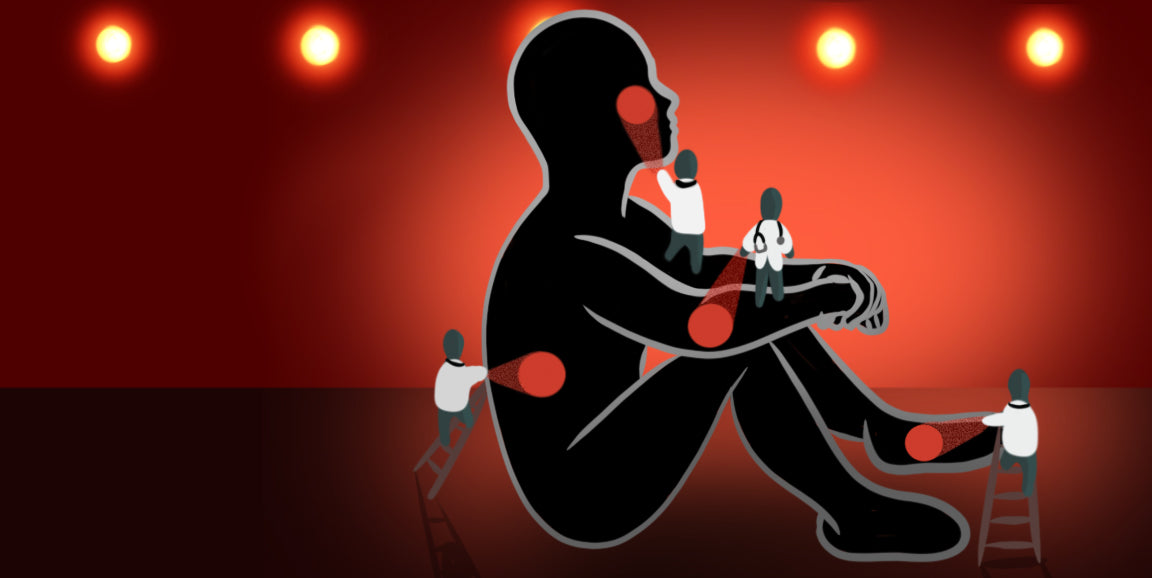
Red and near-infrared light can pass through the outer layers of the skin.
This helps it reach underlying tissues at different depths.
Different wavelengths penetrate to different depths:
630nm – 660nm (Red Light)
Primarily interacts with skin cells and surface tissues.
810nm – 850nm (Near-Infrared Light)
Penetrates deeper into muscles and joints.
Because it can reach deeper tissues, it is widely researched.
Common research areas include skin health, circulation, and recovery.
In clinical and wellness settings, application method can affect exposure.
Dose, distance, and time are often discussed in PBM studies.
Some protocols also consider skin tone and target tissue thickness.
These factors may change how far light can travel.

Inside nearly every cell are structures called mitochondria.
These organelles are responsible for producing cellular energy.
Research suggests mitochondria can absorb certain wavelengths of red and near-infrared light.
This interaction may stimulate biochemical processes linked to energy production.
Because mitochondria support many functions, efficiency may influence overall cellular health.
Photobiomodulation is studied for how it may affect these pathways.
Some studies also track markers tied to oxidative stress and inflammation.
Researchers may compare results across different exposure patterns.

Mitochondria produce adenosine triphosphate (ATP).
ATP is often called the “energy currency” of the cell.
When ATP increases, cells may have more energy for normal activity.
This may include:
Cellular repair
Tissue regeneration
Protein synthesis
Improved metabolic function
Many studies look at how light exposure may influence this energy process.
Results can vary by tissue type and study design.
This is why protocols often specify wavelength and treatment time.
Researchers may also report power output and session frequency.
These details help readers compare findings across different studies.

Another effect observed in photobiomodulation research is improved blood circulation.
Increased circulation may help deliver:
Oxygen
Nutrients
Cellular repair compounds
At the same time, circulation may help remove metabolic waste from tissues.
This process may support muscle recovery and overall tissue health.
Some people compare routine consistency to habits in marriage counseling.
The idea is steady practice can support long-term goals.
In wellness routines, people may track sessions like any other habit.
Notes on timing and comfort can help keep use consistent.
In research discussions, light exposure is often measured with clear variables.
This helps readers understand how sessions may be repeated over time.

By supporting cellular energy and circulation, it may aid natural recovery processes.
Research has explored photobiomodulation for several areas including:
Skin rejuvenation
Muscle recovery
Inflammation management
Tissue healing
While research continues to evolve, these mechanisms help explain ongoing interest.
It is studied in both medical and wellness fields.
It is often discussed alongside near-infrared exposure in PBM research.
Common study endpoints include comfort, function, and visible skin changes.
Researchers may also document how quickly tissues respond over time.
Our panels are designed using clinically studied wavelengths for home wellness routines.
This can help support consistent light delivery during regular use.
For many users, setup includes positioning and a comfortable routine.
Clear goals can help you choose session length and placement.
Shop Red Light Therapy Panels https://yamuri.net/products/yamuri-red-light-therapy-led