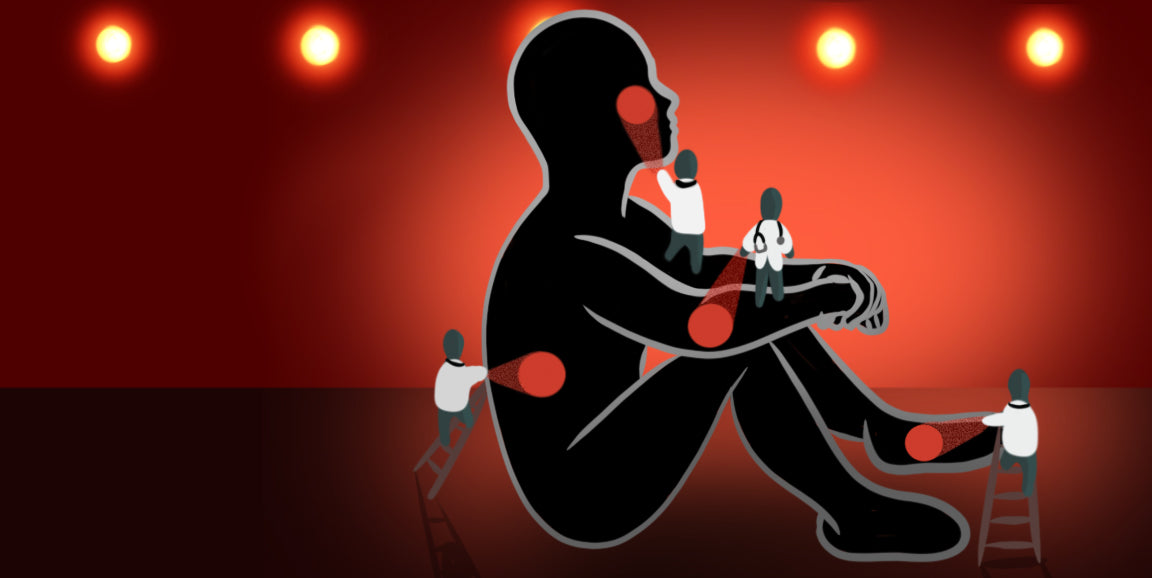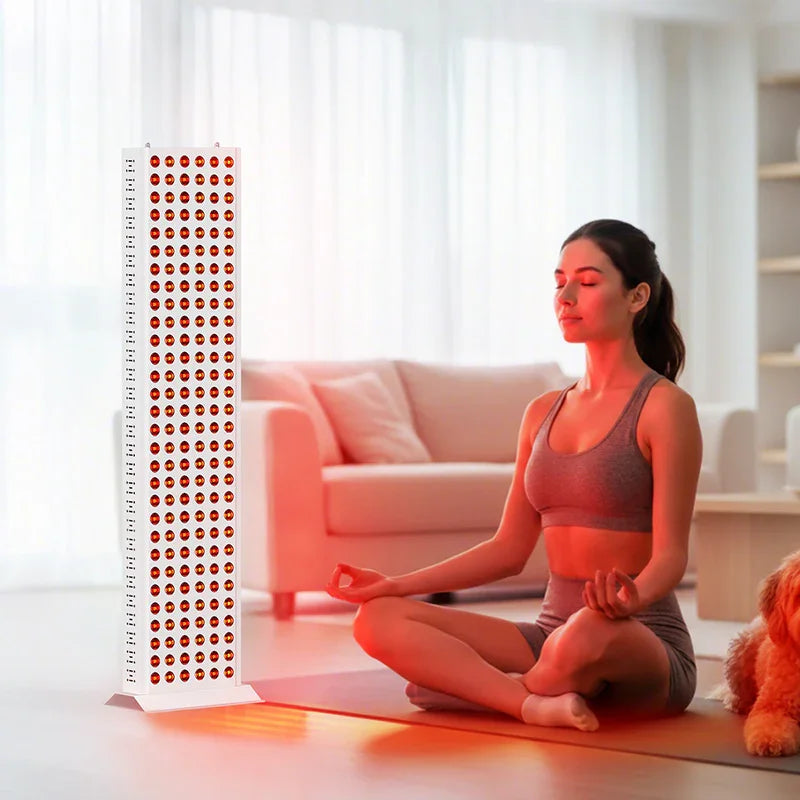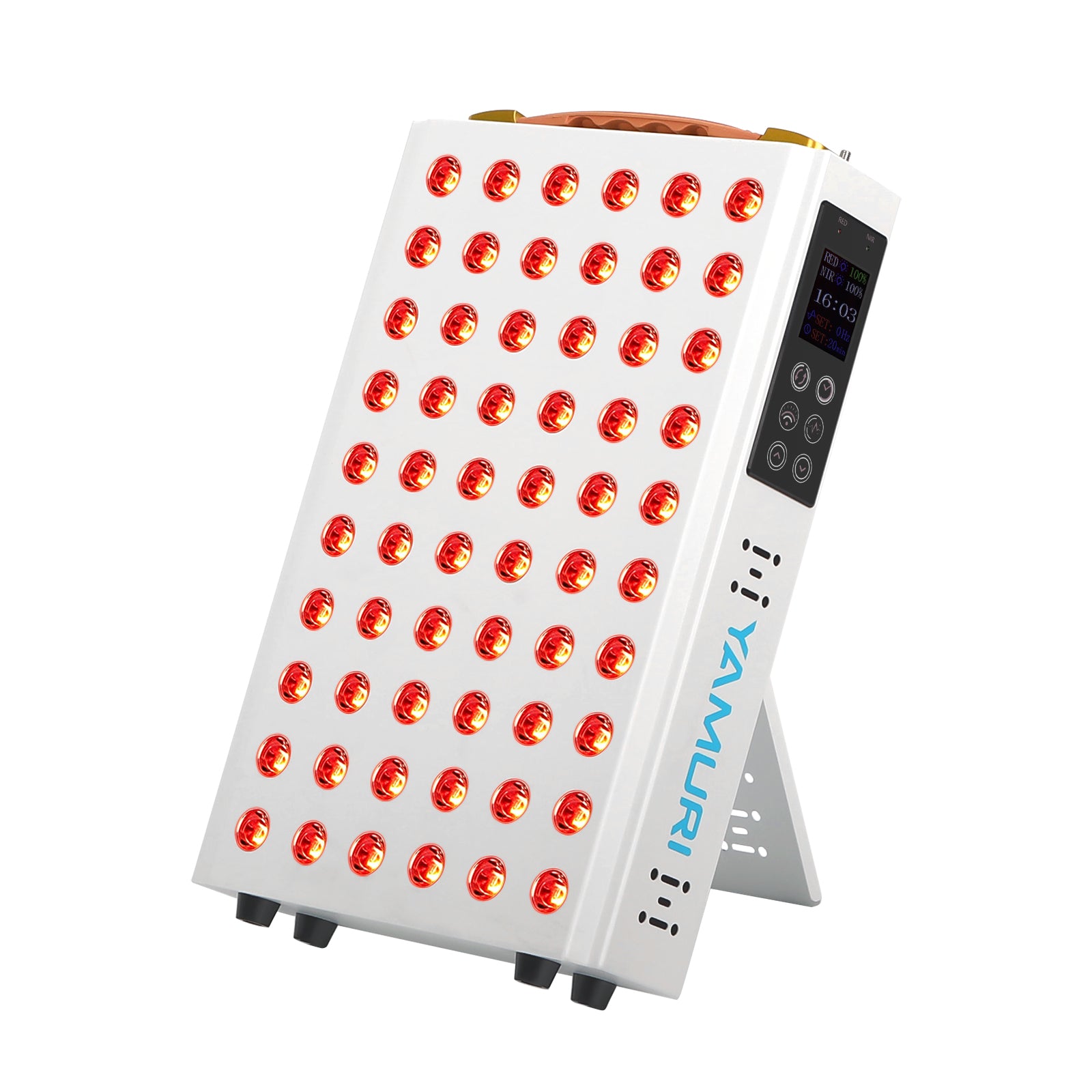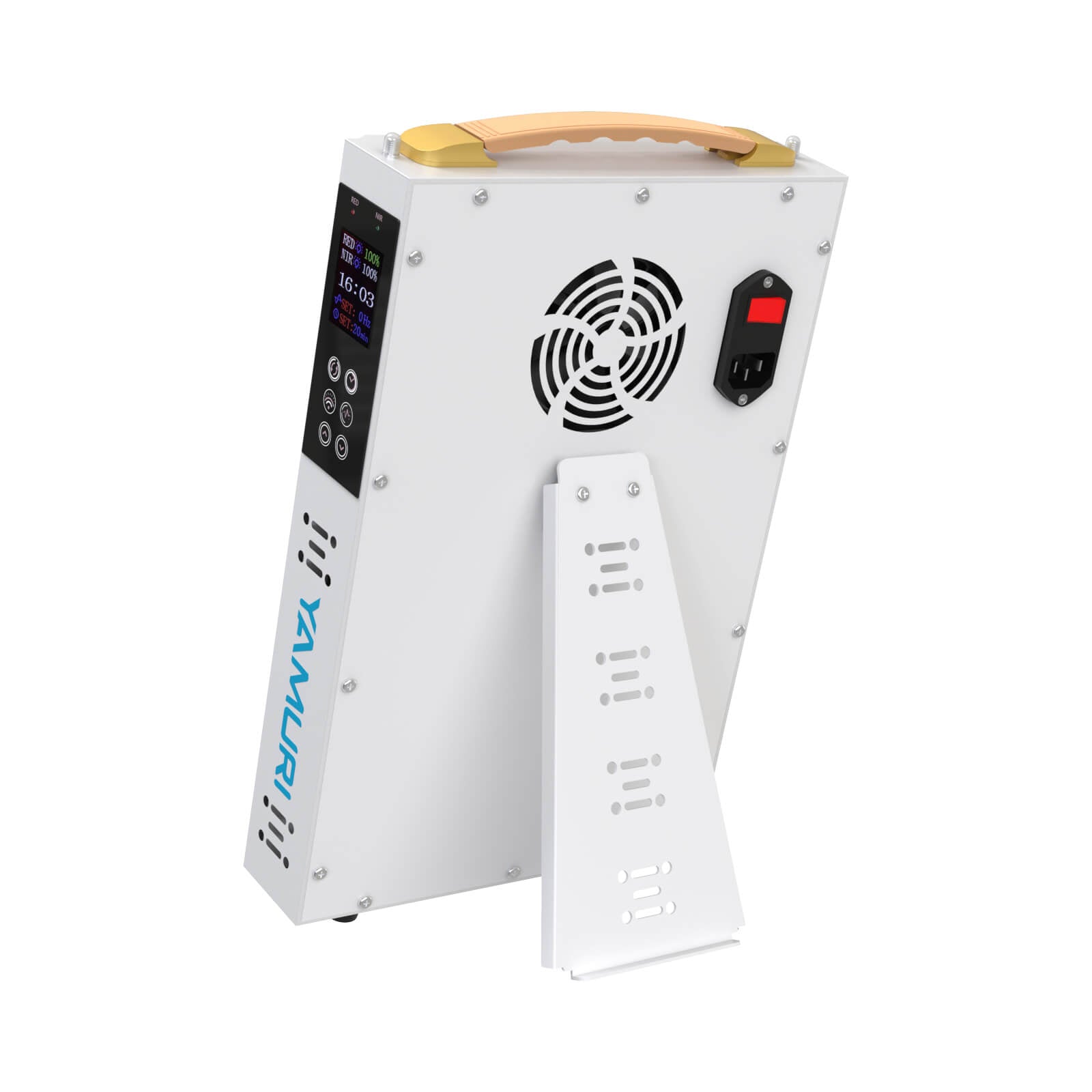
Red light therapy, also known as photobiomodulation (PBM), is a non-invasive therapy that uses specific wavelengths of red and near-infrared light to support cellular health. Over the past decades, researchers and medical institutions have explored how light energy may interact with cells, helping support circulation, recovery, and skin health.
Today, red light therapy is widely studied for applications in skin rejuvenation, muscle recovery, and overall wellness.

Photobiomodulation refers to the biological process in which specific wavelengths of light interact with cells in the body. Red and near-infrared light are able to penetrate the skin and reach the mitochondria, which are responsible for producing cellular energy.
Scientific studies suggest that exposure to these wavelengths may help stimulate the production of adenosine triphosphate (ATP). ATP is essential for cellular repair, regeneration, and normal biological function.
As ATP levels increase, cells may perform their natural repair processes more efficiently. This mechanism is one of the reasons red light therapy has been widely researched in both medical and wellness settings.

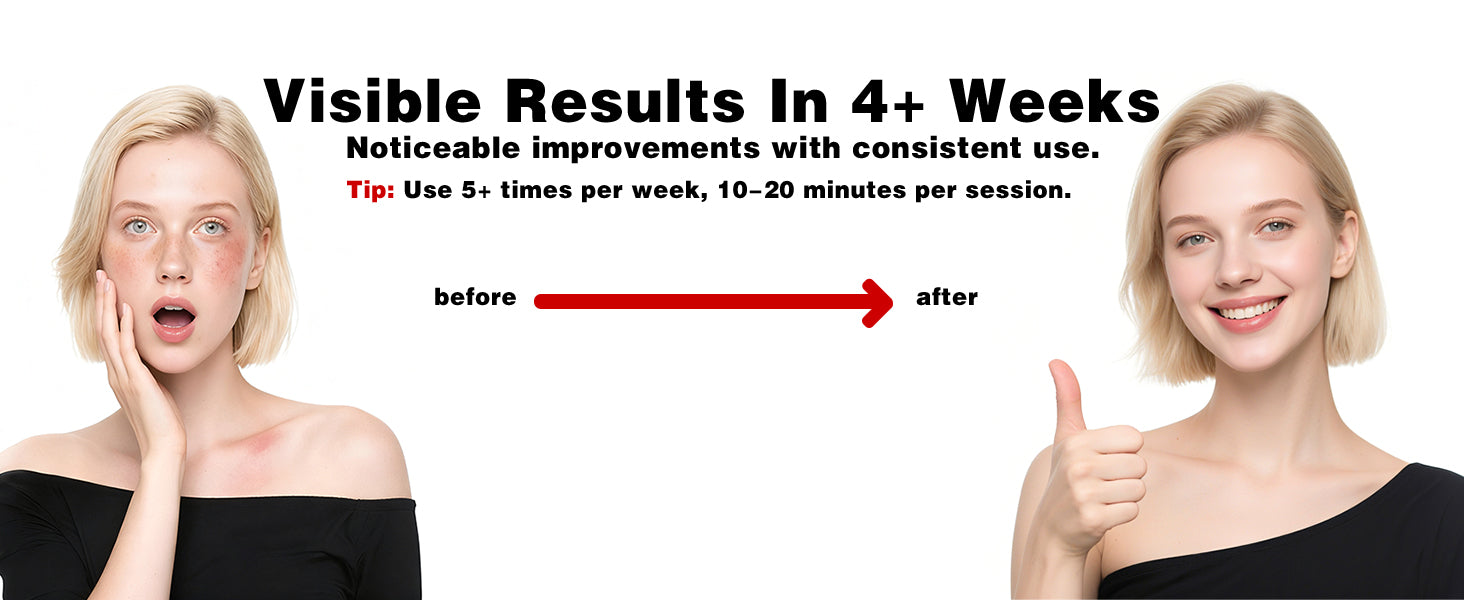
Dermatology research has explored how red light therapy may support skin health. Studies suggest that certain wavelengths of red light may help stimulate fibroblast activity, which plays a role in collagen production.
Collagen is an important structural protein that contributes to skin elasticity and firmness. As collagen levels naturally decline with age, the skin may begin to show wrinkles or fine lines.
Photobiomodulation therapy may help support the skin’s natural renewal processes by encouraging cellular activity and improving circulation in the treated area.

Red and near-infrared light therapy has also been studied for its potential role in muscle recovery and inflammation management.
Research suggests that photobiomodulation may help support blood circulation and reduce oxidative stress in tissues following physical activity. Increased circulation can help deliver oxygen and nutrients to muscles while supporting the removal of metabolic waste.
For this reason, red light therapy devices are often used by athletes and individuals seeking recovery support after exercise.

Another area of research involves the use of red light therapy for hair follicle stimulation. Clinical studies have examined how low-level light therapy may influence the growth cycle of hair follicles.
The proposed mechanism involves increased blood flow and cellular energy within the scalp, which may support follicle activity. This area of photobiomodulation research continues to grow as scientists explore its potential applications.

Scientific research on photobiomodulation commonly focuses on several key wavelengths of light.
Red light wavelengths such as 630nm and 660nm are typically associated with skin-level applications. These wavelengths primarily affect surface tissues and are often studied in dermatology.
Near-infrared wavelengths such as 810nm to 850nm penetrate deeper into the body and may reach muscles and joints. Because of this deeper penetration, near-infrared light is often explored for recovery and tissue support.
Understanding the interaction between different wavelengths and biological tissues remains an important area of ongoing scientific study.
Many academic and medical institutions have published research related to photobiomodulation and red light therapy.
Examples of scientific sources include:
• Stanford Medicine
• National Institutes of Health (NIH)
• PubMed scientific database
• Journal of Dermatology research publications
These sources contain peer-reviewed studies exploring the biological effects of red and near-infrared light on cells and tissues.
The information provided on this page is for educational purposes only and is not intended to replace professional medical advice. Always consult with a qualified healthcare professional before beginning any new therapy.
Explore Red Light Therapy Deviceshttps://yamuri.net/