Quick answer: Red light and near-infrared light are often mentioned together, but they are not exactly the same. Red light is usually used for skin-focused routines, while near-infrared light is often chosen for deeper body areas and post-exercise recovery routines. For many home users, a device that combines both 660nm red light and 850nm near-infrared light offers the most practical balance.

If you are comparing infrared vs red light therapy, the real question is not simply which one is “better.” The better question is: which wavelength makes sense for your goal, your body area, and your home routine?
Red Light vs Infrared Light: What Is the Difference?
Red light and infrared light sit next to each other on the light spectrum, but they behave differently when used in home wellness devices.
Red light is visible to the human eye. In home red light therapy panels, red light is commonly found around the 630nm to 660nm range. It is often used for surface-level routines, especially when the goal is to support a healthier-looking complexion, skin tone, and daily skincare consistency.
Near-infrared light, often abbreviated as NIR, is usually invisible or barely visible to the eye. In many home panels, near-infrared light is commonly found around the 810nm to 850nm range. It is often selected for larger body areas and recovery-focused routines because it can reach deeper than visible red light.
When people search for “infrared vs red light therapy,” they are usually comparing visible red light with near-infrared light. This is different from far-infrared heat products, such as infrared saunas, which work mainly through heat.
Infrared vs Red Light Therapy: Simple Comparison Table
| Feature | Red Light | Near-Infrared Light |
|---|---|---|
| Common wavelength range | 630nm–660nm | 810nm–850nm |
| Visibility | Visible red light | Mostly invisible to the eye |
| Common home-use focus | Skin appearance and surface-level routines | Body comfort and post-exercise recovery routines |
| Popular wavelength | 660nm red light | 850nm near-infrared light |
| Best device type | Face panel, compact panel, targeted panel | Body panel, larger panel, full-body setup |
| Best for home users who want | A skin-focused routine | A broader recovery and wellness routine |
Which Is Better for Skin: Red Light or Near-Infrared Light?
For skin-focused routines, red light is usually the more direct choice. Because red light is visible and commonly used around the 660nm range, it is often selected for face, neck, and upper-body routines.
Many home users choose red light when their goal is to build a simple skincare-support routine. The focus should be realistic: consistency, proper distance, correct session time, and comfortable use matter more than chasing a single “perfect” wavelength.
Near-infrared light can still be useful in a skin routine, especially when it is combined with red light in one panel. However, if your main goal is surface-level skin appearance, red light should remain the primary wavelength to understand.
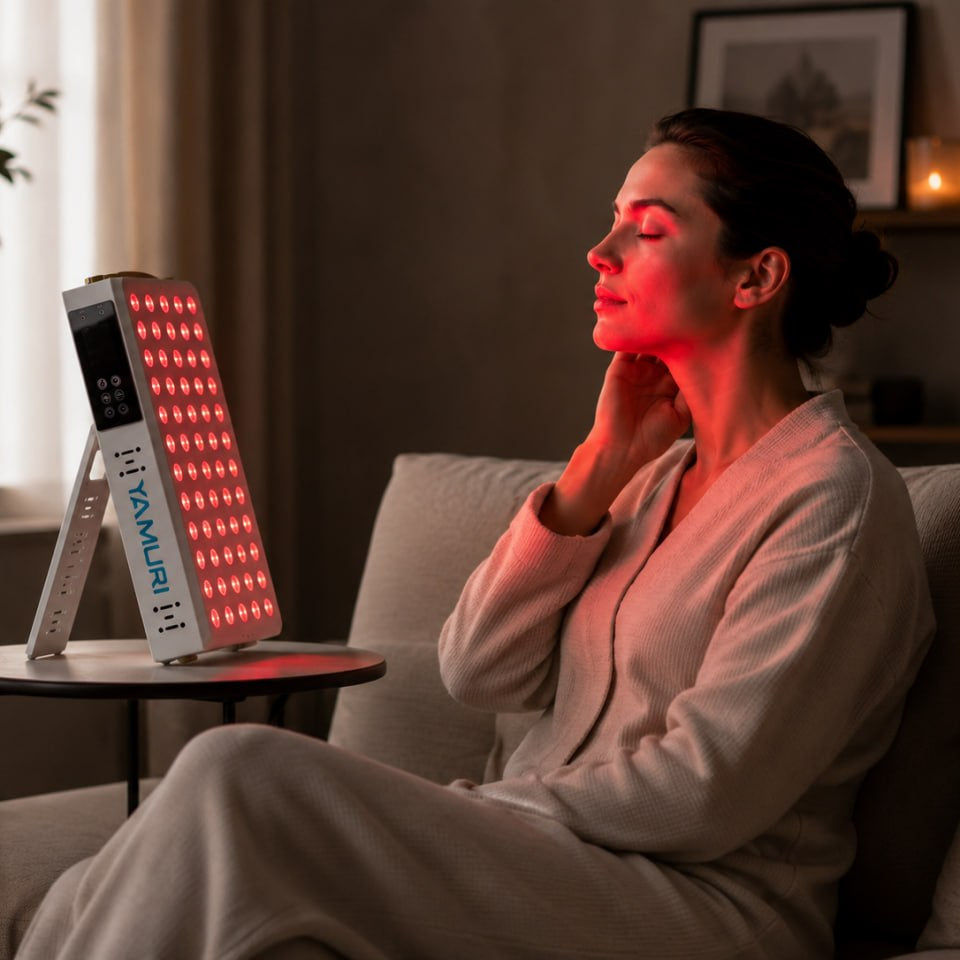
For a home routine that covers both skin and broader wellness use, you can explore Yamuri red light therapy panels with combined red and near-infrared wavelengths.
Which Is Better for Recovery: Red Light or Near-Infrared Light?
For recovery-focused routines, near-infrared light is often the more practical choice. Many users choose near-infrared light for larger areas such as the back, shoulders, legs, and full-body routines.
This does not mean red light is useless for recovery. It simply means that red light and near-infrared light have different strengths. Red light is commonly used for surface-level support, while near-infrared light is often chosen when the routine involves deeper body areas.
For people who exercise regularly, sit for long hours, or want a general body wellness routine at home, a larger red light therapy panel with both 660nm and 850nm wavelengths is usually more flexible than a small face-only device.

Which Is Better for Home Use?
For most home users, the best choice is not red light alone or near-infrared alone. A combined device is usually more practical.
A panel that includes both 660nm red light and 850nm near-infrared light allows you to use one device for multiple routines. You can use red light for skin-focused areas and near-infrared light for broader body routines.
This is why many home red light therapy panels combine both wavelengths. It gives users a simple way to cover skin, recovery, and general wellness use without buying separate devices.
When a smaller panel makes sense
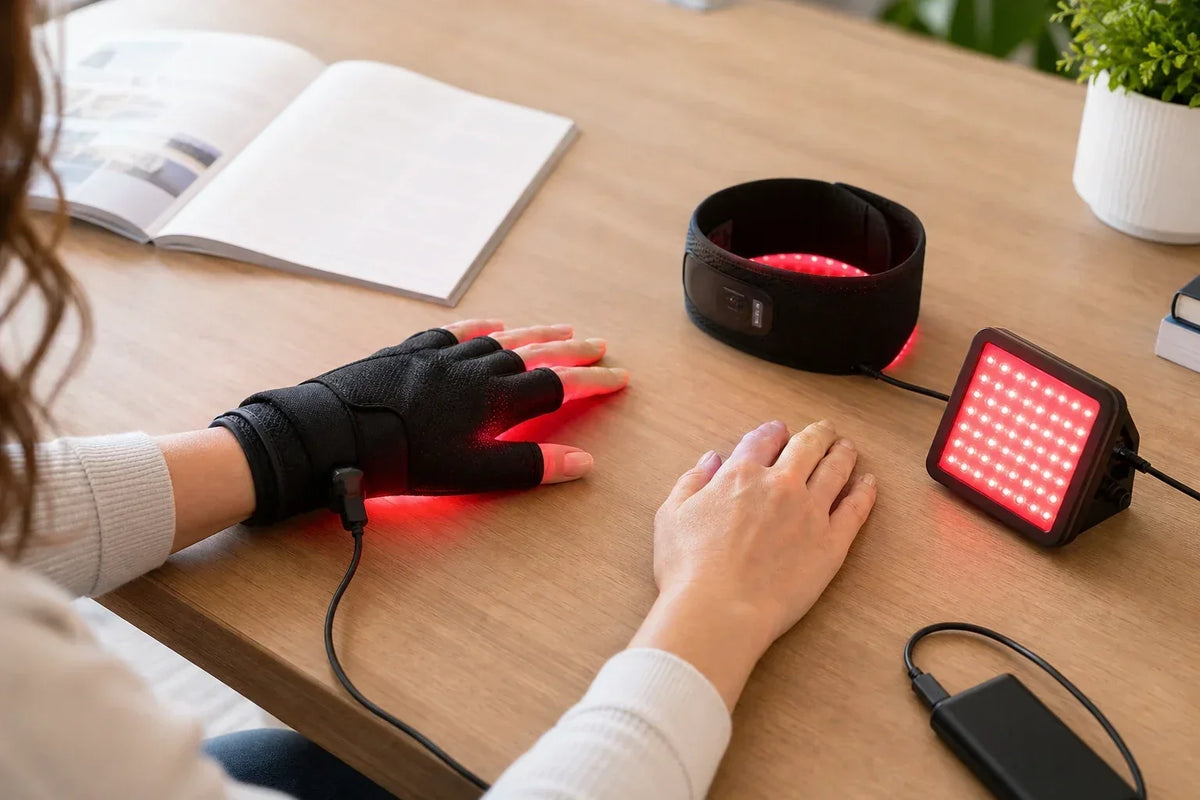
A smaller panel may be enough if you mainly want to use red light around the face, neck, hands, or one targeted area. It is easier to store, easier to move, and easier to include in a short daily routine.
When a larger panel makes sense
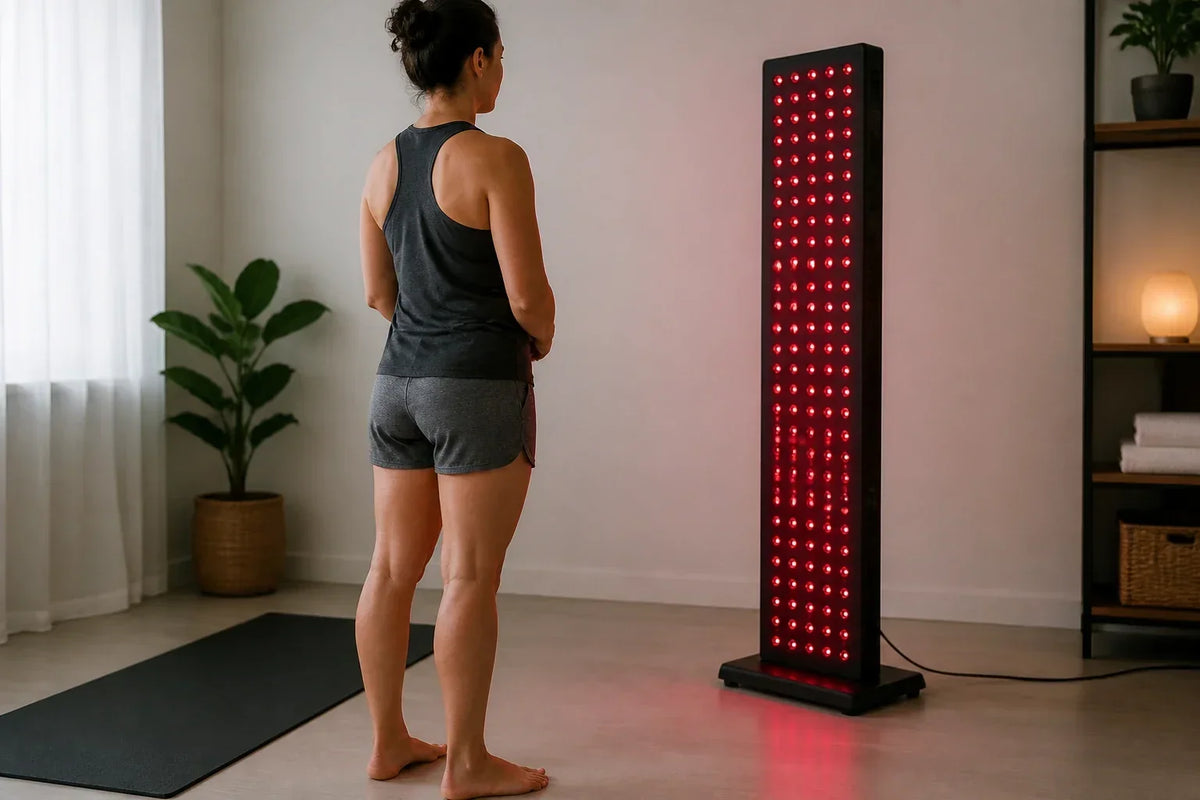
A larger panel makes more sense if you want to cover the back, legs, shoulders, or multiple areas in one session. For full-body or recovery-focused routines, a larger treatment area can save time and create a more convenient home setup.
Why 660nm and 850nm Are Common in Home Red Light Therapy Panels
Two of the most common wavelengths in home red light therapy devices are 660nm and 850nm.
660nm red light is popular because it sits within the visible red light range and is commonly used for skin-focused routines. It is easy to understand, easy to see, and widely used in home panels.
850nm near-infrared light is popular because it is commonly used for deeper body-area routines. It is usually not as visible as red light, but it is often included in panels designed for recovery and general wellness use.
When these two wavelengths are combined, the device becomes more versatile. That is why many home users prefer a red light therapy panel that includes both red and near-infrared light instead of choosing only one type.
How to Choose Between Red Light and Near-Infrared Light
Use the following simple guide when choosing a device:
- If your main goal is skin appearance: choose a device with 660nm red light.
- If your main goal is body recovery routines: choose a device with 850nm near-infrared light.
- If you want one device for multiple home routines: choose a panel that combines 660nm and 850nm.
- If you only need face and neck use: a smaller panel may be enough.
- If you want back, legs, shoulders, or full-body use: a larger panel is usually more practical.
In most cases, a combined red and near-infrared panel is the safest choice for flexibility. It lets you start with a simple routine and adjust over time based on the body area you want to use it on.
Red Light Panel vs Red Light Mask: Which One Should You Choose?
A red light mask is mainly designed for the face. It can be convenient for skincare routines, but it is usually limited to one area.
A red light therapy panel is more flexible. Depending on the size, it can be used for the face, neck, chest, back, legs, or other body areas. If you want one device for both skin and recovery routines, a panel is usually the better long-term choice.
For users who are still comparing device types, a good starting point is to choose based on coverage area. Smaller devices are easier to use for targeted routines, while larger panels are better for broader home wellness routines.
Safe Home Use: What to Keep in Mind
Red light therapy devices should be used with realistic expectations. A home panel is not a replacement for professional medical advice, and it should not be presented as a device for diagnosing or treating medical conditions.
For general home use, pay attention to:
- Recommended distance from the panel
- Session length
- Eye comfort and eye protection guidance
- Skin comfort during use
- Device instructions from the manufacturer
- Consistency over several weeks
If you are unsure whether red light therapy is suitable for your personal situation, it is best to ask a qualified professional before starting a new routine.
So, Which One Makes More Sense?
If you only care about skin-focused routines, red light is usually the first wavelength to understand. If you care more about broader body and recovery routines, near-infrared light becomes more important.
For most home users, the most practical answer is a device that includes both. A combined 660nm and 850nm panel gives you more flexibility and reduces the need to choose one wavelength too early.
That is why a home red light therapy panel can be a better long-term option than a single-purpose device. It allows you to build a routine around skin, recovery, and general wellness use with one setup.
Explore Yamuri red light therapy panels to compare home-use options with red and near-infrared wavelengths.
FAQ: Infrared vs Red Light Therapy
Is infrared the same as red light therapy?
No. Red light is visible light, while near-infrared light is usually invisible or barely visible. Many home devices combine both, but they are not the same wavelength range.
Is red light or near-infrared better for skin?
Red light is usually the more direct choice for skin-focused routines, especially around the 660nm range. Near-infrared light may still be included in a combined device for broader use.
Is near-infrared better for recovery routines?
Near-infrared light is often chosen for larger body areas and recovery-focused routines because it can reach deeper than visible red light.
Should I choose 660nm or 850nm?
If your focus is skin appearance, 660nm red light is a common choice. If your focus is broader body routines, 850nm near-infrared light is commonly used. For home use, many people choose a panel that includes both.
Is a red light therapy panel better than a mask?
A mask is mainly for the face. A panel is more flexible because it can be used for different body areas. If you want one device for skin and recovery routines, a panel is usually more practical.
Can I use red light and near-infrared light together?
Yes. Many home panels are designed with both red and near-infrared wavelengths. This allows users to build a more flexible routine with one device.
References and Further Reading
The following resources are provided for general educational reading. External links open in a new window and use nofollow attributes.